
Last updated November 23, 2026
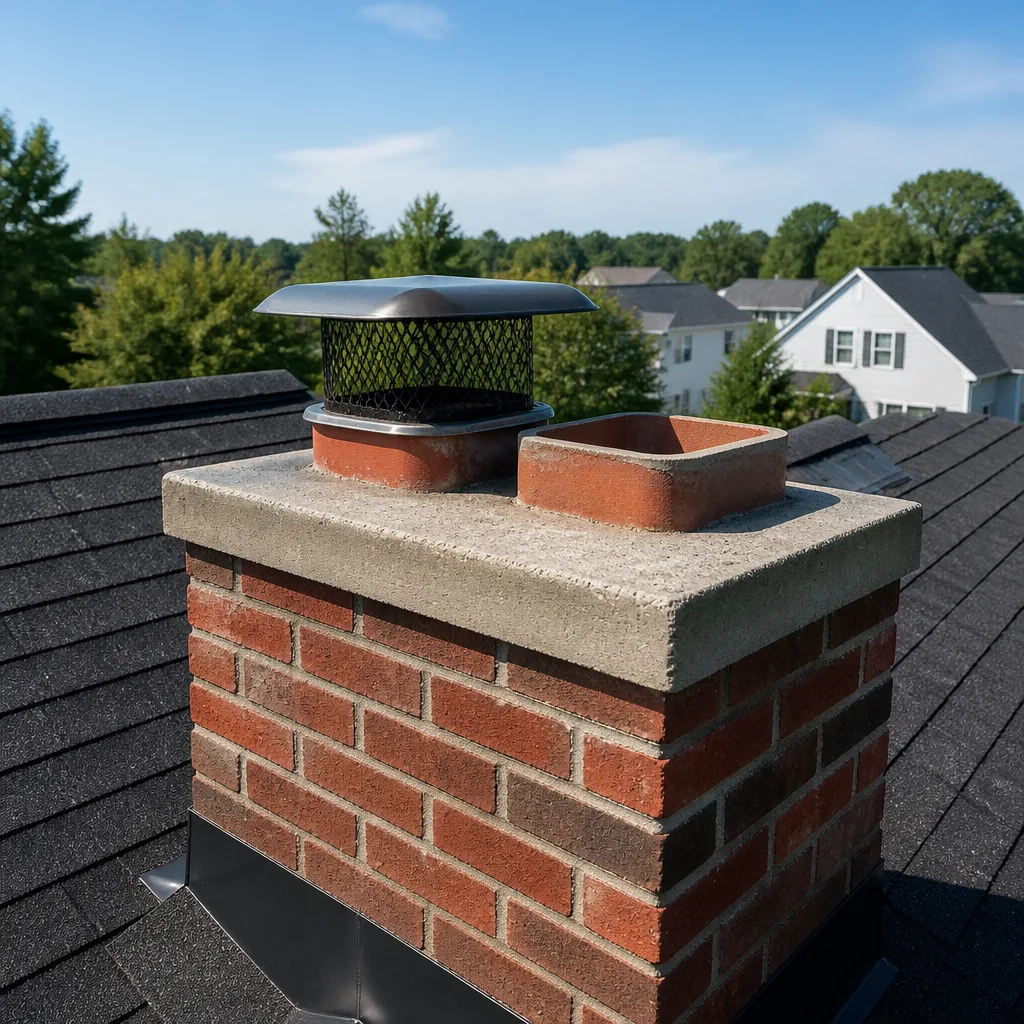 Sweep & inspection
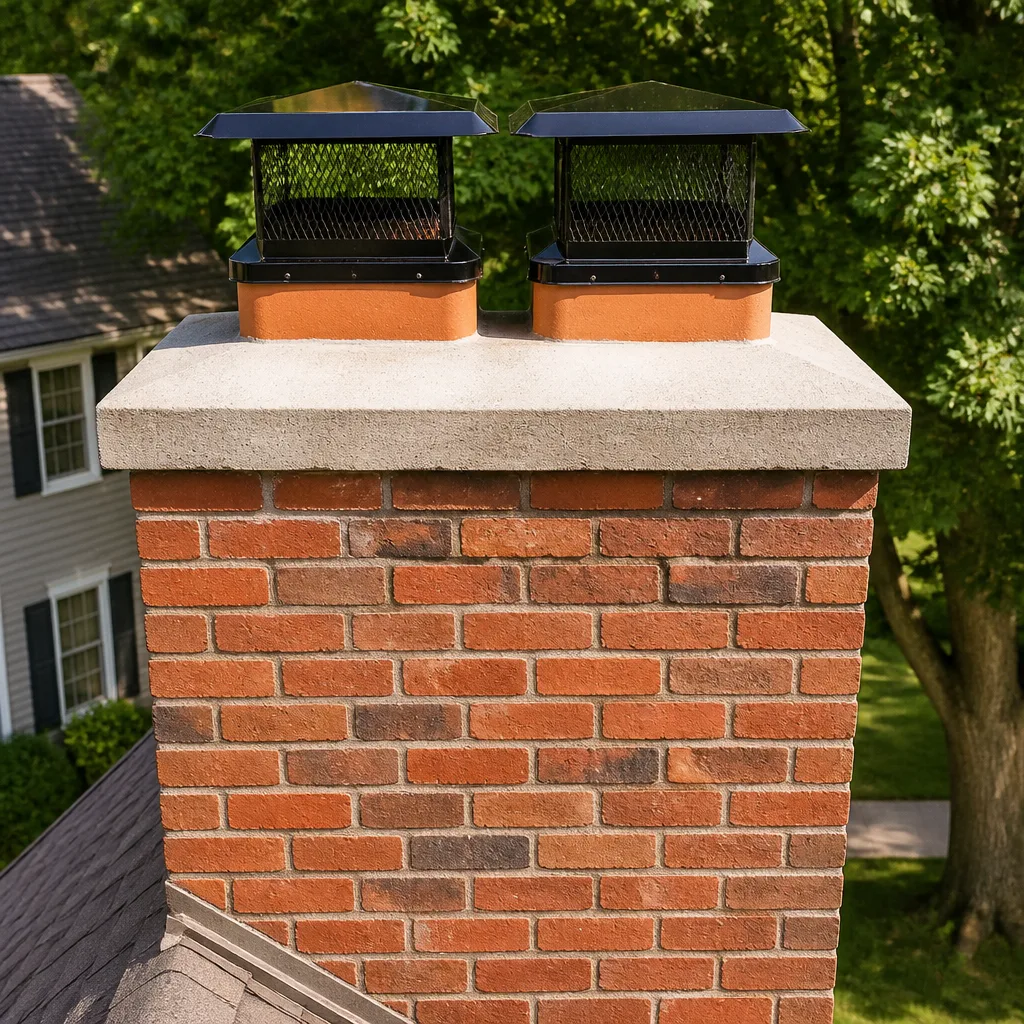 Caps & crowns
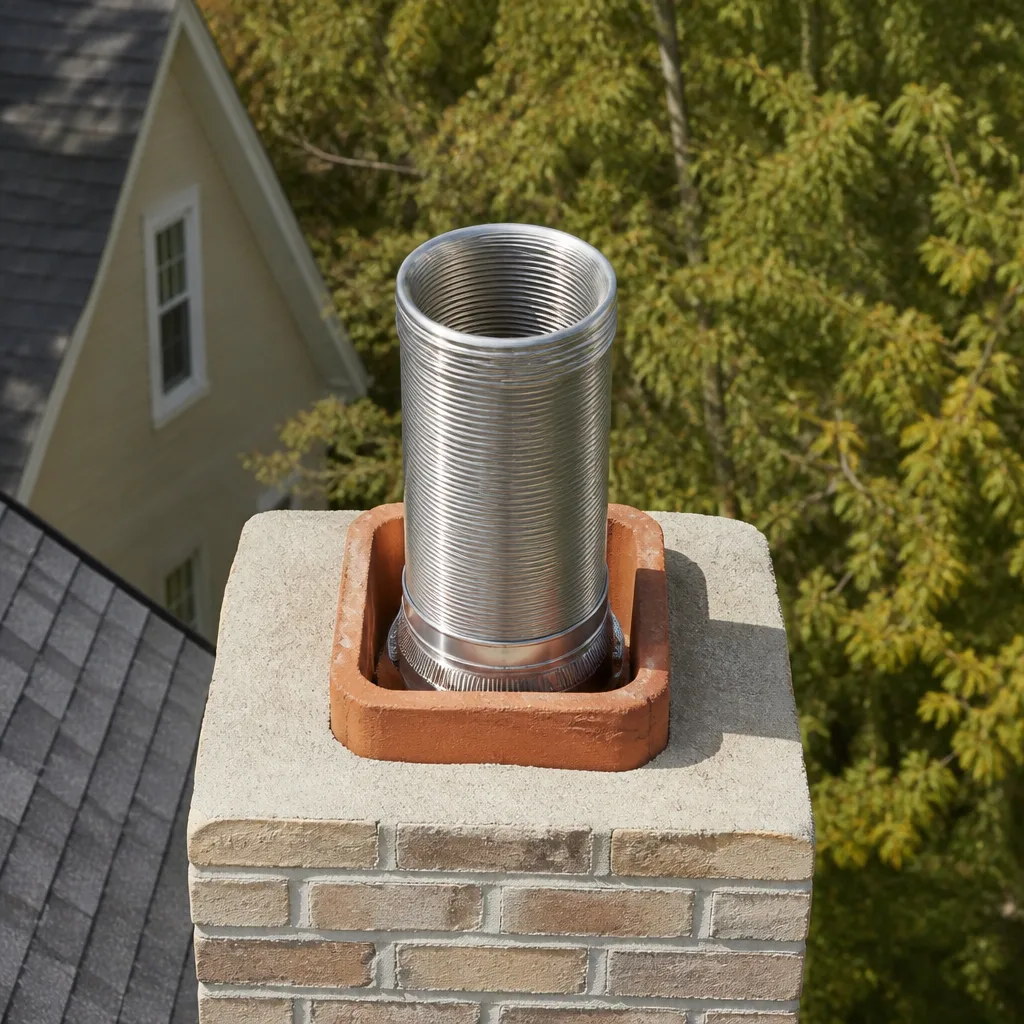 Flue relining
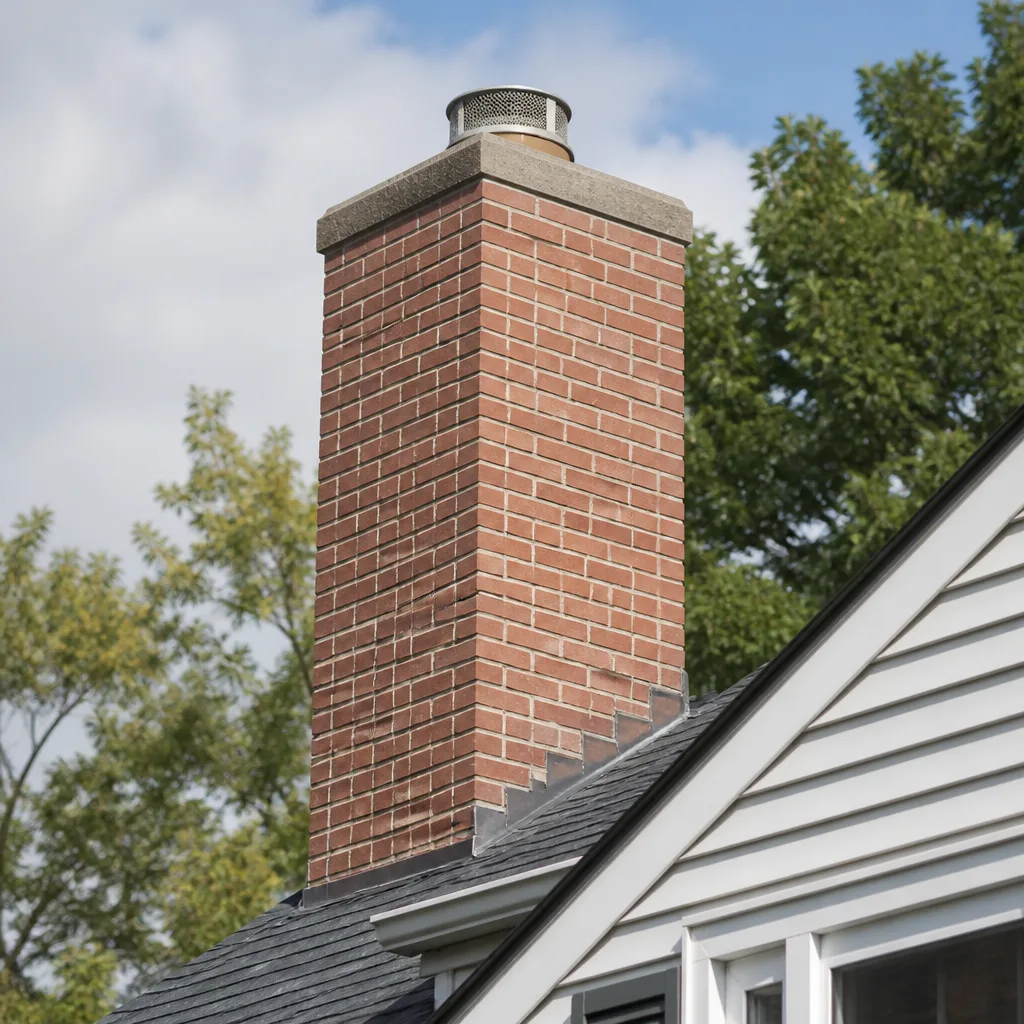 Masonry repair
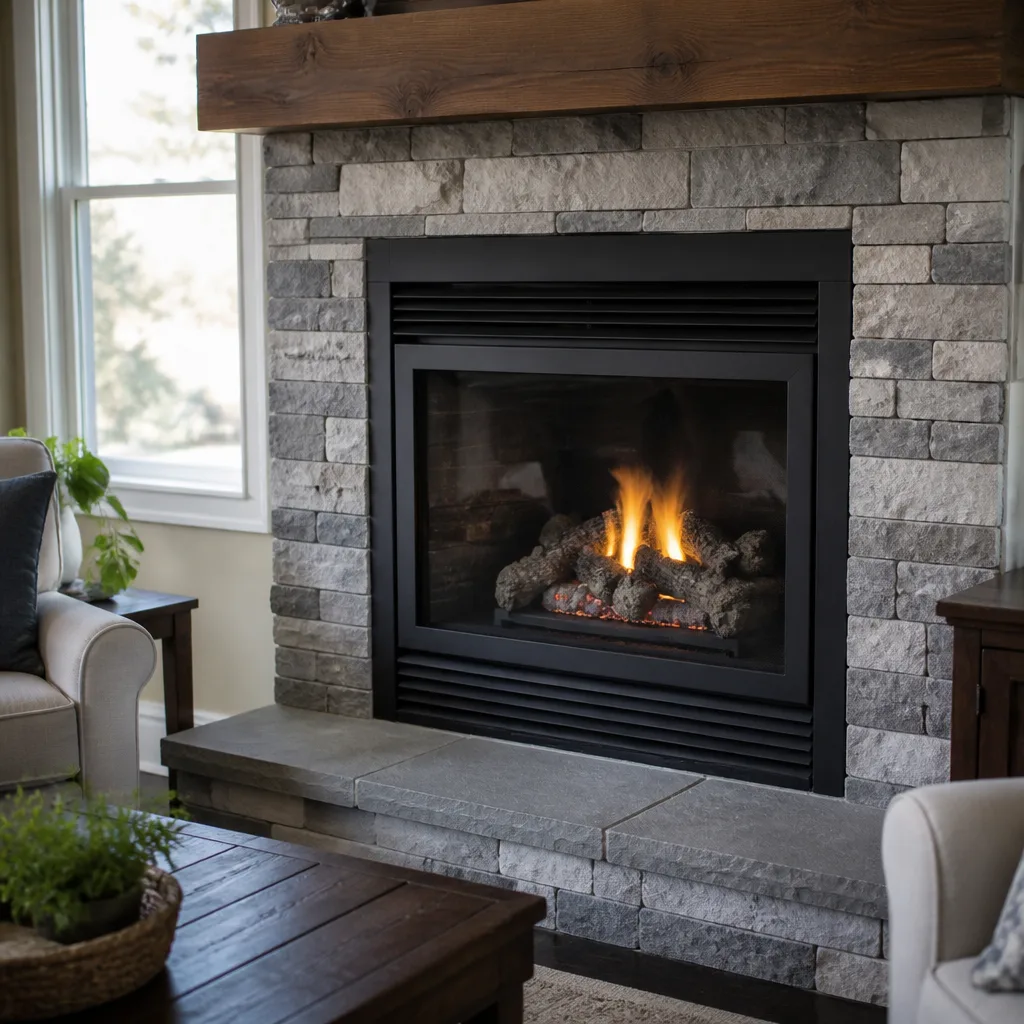 Gas fireplace service
Level 1 sweep and inspection to the NFPA 211 annual standard - flue, crown, cap, and flashing checked and photographed
Chimney sweep logs do not sweep chimneys. They loosen some creosote - which then falls where a brush and vacuum still have to collect it.
The Complete Guide to Chimney Cleaning in Bluffview
Most homeowners assume a chimney only needs attention if they burn wood every cold night of the year. In Bluffview that logic quietly fails. Plenty of houses here light the fireplace fewer than 60 nights a season, then close the damper and forget about it until the next cold snap. Short, stop-and-start burning doesn’t reduce what collects inside the flue; it changes the pattern. Cool flue, damp air, quick hot fires, long idle stretches. That combination is a creosote factory. This guide walks through what a real chimney cleaning involves, why buildup behaves the way it does in a Bluffview home, how to tell a full three-stage job from a quick brush, and what you should expect to receive when the work is finished.
Quick Answer
Chimney cleaning in Bluffview is a three-stage job: a Level 1 inspection, a full brush-and-vacuum sweep of the flue, and a final camera check to confirm the lining is clear and sound. A proper sweep removes soot and creosote from the flue and smoke chamber and leaves you with a written report of what was found. Most Bluffview homes that burn regularly need this once a year, even when the burn season is short.
Styles & brands we work with
- Sweep & inspection
- Caps & crowns
- Flue relining
- Masonry repair
- Gas fireplace service
Table of Contents
- Why Bluffview Chimneys Build Creosote Differently
- The Three Stages of a Proper Chimney Cleaning
- How Much Does Chimney Cleaning Cost in Bluffview?
- Glazed Creosote: What Stage 3 Looks Like and Why Brushing Won’t Fix It
- Chimney Sweep vs. Level 2 Inspection: Know the Difference
- What a Finished Job Should Leave Behind
- The Materials Behind a Job That Lasts
- How Often Should You Schedule Cleaning in Bluffview?
Why Bluffview Chimneys Build Creosote Differently
Creosote forms when wood smoke cools and condenses on the inside of the flue. In cold-climate houses the fire burns long and hot and the chimney stays warm for months at a stretch. Bluffview isn’t that climate. Winters here are mild. The burn season is short and often broken into scattered evenings when the temperature drops, with the fireplace sitting cold and damp in between.
That on-off rhythm matters because each cold start pushes moist, unburned smoke against a cool flue. Condensation happens fast, and even one long evening of a smoldering fire can lay down a tacky film that the next warm spell lets harden. You end up with a thin, dense layer of creosote rather than the thick soft fluff that builds over a hard winter up north. Dense buildup is the kind that quietly edges past the cleaning threshold without anyone noticing.
The NFPA gives us the practical rule: have the chimney inspected and cleaned when a buildup of roughly 1/8 inch of creosote is present. In Bluffview that threshold can be reached inside a single season of occasional use, especially in homes under heavy shade where the masonry stays cool and damp well into the season.
Two more local factors shape what we find:
- Humidity. Bluffview’s humid air slows drying on a chimney that has absorbed moisture, and a damp flue encourages creosote to cling and glazed fuel to form.
- Wood choices. Unseasoned or softwood-heavy firewood burns cooler and smokier, which lays down more of everything.
- Short fires. A quick fire for one cold hour never gets the flue hot enough to burn away the light deposits, so they accumulate.
This is why a Bluffview homeowner who burns just a few dozen nights still needs an annual inspection. The math is about what the flue is asked to handle, not how many days you open the damper.
The Three Stages of a Proper Chimney Cleaning
A real chimney cleaning is three distinct stages, and skipping any one leaves the job unfinished. A quick brush-and-go visit covers stage two and calls it a day. Here is what our team does when we clean a chimney in Bluffview, start to finish.
- Inspection first. Before anything is brushed we inspect the firebox, smoke chamber, damper, flue, crown, and cap. We’re looking for creosote level, visible cracks, gaps in the lining, water intrusion, and animal entry. The inspection tells us what kind of cleaning the flue needs.
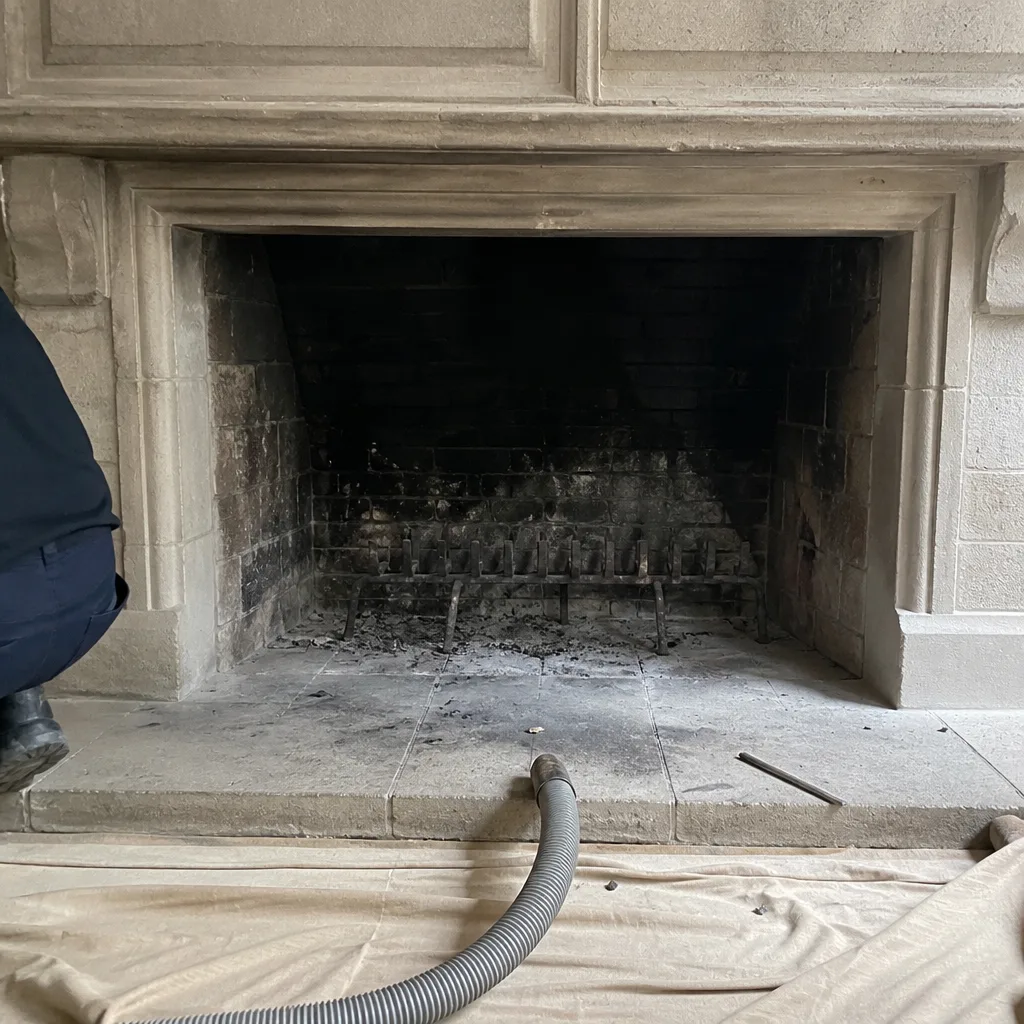
- Brushing and vacuuming. We lay drop cloths to protect the room, then run the appropriate brushes through the full length of the flue to break the creosote loose. A high-volume HEPA vacuum runs the entire time so soot stays inside the chimney, not on your floor or in your furniture. The smoke chamber and firebox get hand-brushed to the bare masonry.
- Final camera check. After brushing we run a camera down the flue to verify the lining is clear, uncracked, and free of any leftover glazed deposits. This is the stage most generalists skip. It’s also the stage that proves the job was actually done.
We follow that sequence because the inspection sets the cleaning plan, and the camera confirms it worked. If the final camera check turns up a defect worth repair, you see it on the screen with us and decide from there. Nothing gets recommended without visible evidence.
How Much Does Chimney Cleaning Cost in Bluffview?
Chimney cleaning in Bluffview typically runs $180 to $340 for a straightforward sweep of a standard flue, with the final price set by the written estimate. Larger or heavily fouled flues, work that uncovers a repair, and add-on services sit higher. Because every chimney is different, we set the price per job, never by the hour, and you approve the number before we book.
Below are typical estimated ranges for the work most Bluffview homes ask for. These are estimates to help you plan; your written estimate is the final price.
- Standard chimney sweep with full inspection: $180 – $340
- Deeper clean for heavy creosote buildup: $260 – $430
- Chimney cap installation: quoted per job after the inspection
- Crown repair or rebuild: quoted per job after the inspection
- HeatShield flue resurfacing: quoted per job, and often less than full liner replacement
- DuraFlex flexible liner installation: quoted per job after the inspection
Two things keep the number honest. The first is the inspection, which shows the actual condition of your flue rather than an estimate based on the age of the house. The second is camera evidence, so you can see what the technician sees before any repair is discussed. If your flue only needs cleaning, that’s the only thing we’ll quote. We think about attention to detail where we notice it, and we spend more time on the inspection than the sweep in most homes.
If you’d like a baseline number for your Bluffview home, call us. Estimates are free, and the written estimate is the final word.
Glazed Creosote: What Stage 3 Creosote Looks Like and Why Brushing Won’t Fix It
If a flue has ever lit itself on fire, or repeatedly been run with too little air, the creosote inside can reach Stage 3: a hard, glossy, tar-like glaze that bonds to the masonry. It looks like black glass or hardened varnish. Standard chimney brushes pass over it without removing it, because the bond is chemical, not physical.
We see glazed creosote more often than people expect in Bluffview, partly because cool-start fires and damp air give it the conditions to form. When stage 3 is found, we usually recommend chemical creosote remover and let it soften over multiple visits rather than trying to force it off. That’s a decision made with the homeowner, not one we make for them.
What stage 3 does not require, by itself, is a new lining. Sometimes HeatShield chimney resurfacing is enough to restore a flue with a roughened or deteriorated liner back to a sound state without the cost of a full liner replacement. In other cases the flue is too far gone and a DuraFlex flexible liner is the correct fix. The right answer depends on what the final camera check shows. We’ll tell you which one your chimney actually needs.
Here’s the difference to keep straight:
- Stage 1 creosote is light soot and flaky deposits. Standard brushing removes it.
- Stage 2 creosote is a thicker, tarry film. Brushes and chemical treatment together handle it.
- Stage 3 creosote is the glazed, hardened deposit. It needs chemical treatment and time, and sometimes resurfacing.
None of that is a sales script. It’s just what we find when we look. If your flue is at stage 1 or 2, we clean it and leave.
Chimney Sweep vs. Level 2 Inspection: Know the Difference
A chimney sweep is a cleaning. A Level 2 inspection is a documented assessment of the entire system, including things a routine sweep doesn’t look at. Most Bluffview homeowners need the sweep annually and the Level 2 only in specific circumstances.
A standard sweep visit includes a Level 1 inspection: visual, accessible-from-the-firebox, focused on what can be seen without tools. A Level 2 inspection goes further. It includes a video scan of the flue, a closer look at the smoke chamber, and a written report on the condition of everything it looks at.
You likely need a Level 2 inspection in Bluffview if any of these apply:
- You’ve just bought the home and don’t know the chimney’s history.
- The house has had a chimney fire, even a small one you think went out on its own.
- You’ve added a new appliance or changed the fireplace insert, wood stove, or fuel type.
- You’ve noticed water getting in near the chimney, or the masonry is spalling and staining.
- You’re hearing animal sounds, noticing a draft, or seeing soot blowing back into the room.
A Level 2 inspection is the reason an experienced sweep can tell you what a flue actually needs, not what a generic checklist says it should need. It’s the single most useful hour you can spend on a chimney, and it turns an estimate into a documented plan.
What a Finished Job Should Leave Behind
A finished chimney cleaning should leave you with more than a cleaner firebox. Here is what a reputable Bluffview sweep should hand over when the job is done. If you don’t get these, ask for them before the technician leaves.
- A written report. What was found, what was cleaned, and what condition the flue is in. This is your record for future service and for a home sale.
- Camera evidence. Photos or a short clip from the flue scan. You should be able to see the before and after.
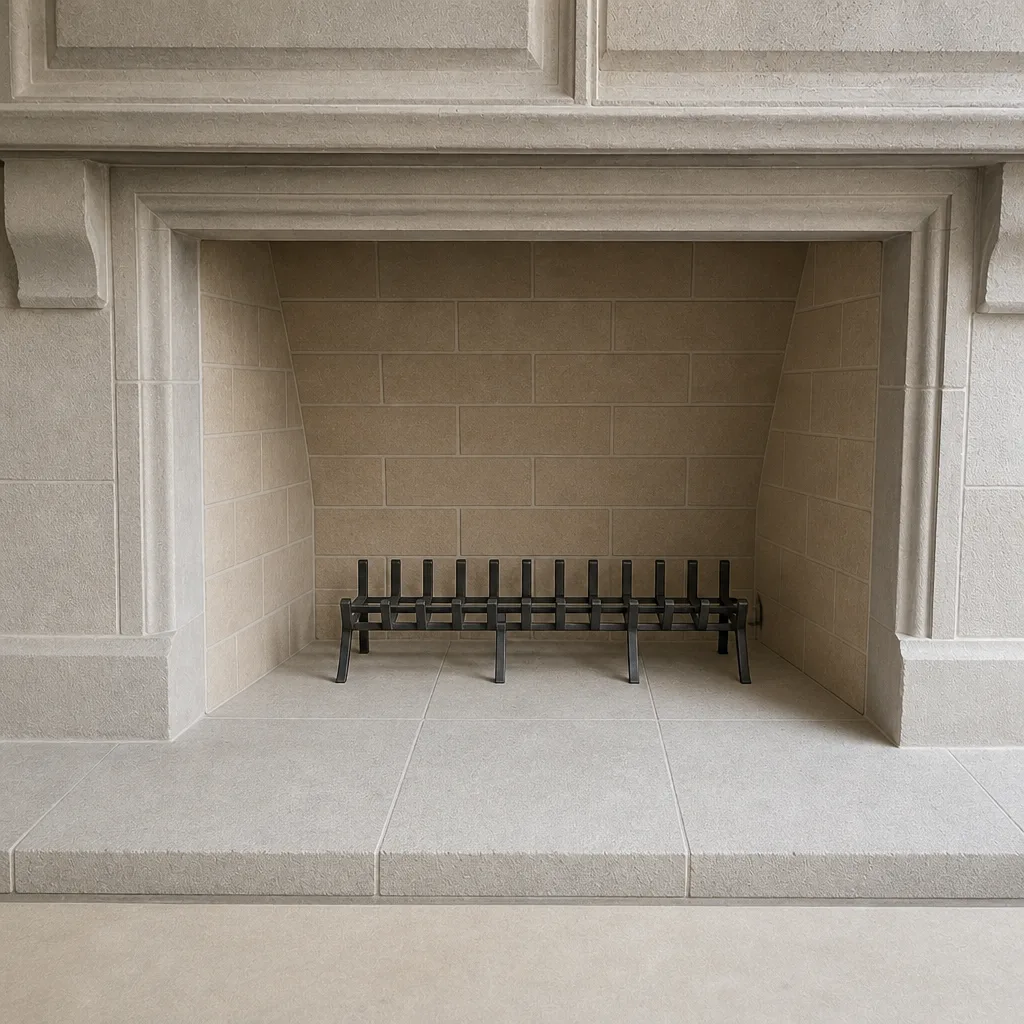
- A clear flue. No leftover soot in the smoke chamber, no debris in the firebox, and a damper that opens and closes smoothly.
- Exterior protection intact. Cap in place, crown sound, no cracked masonry or gaps around the flashing.
- A plain-language recommendation. Something like “clean annually, no repairs needed” or “monitor the liner, revisit next season.” Not a sales pitch.
We treat those deliverables as part of the work. A homeowner who can point to their own photos next season is our best proof the job was done right.
The Materials Behind a Job That Lasts
Chimney work isn’t just labor. It’s labor plus the right materials. Hardware-store chimney caps, cheap liners, and generic mortar don’t hold up in a humid climate the way professional-trade components do. That’s why we use materials from the supply lines the professionals source from: Olympia Chimney, Copperfield, DuraFlex, HeatShield, Famco, and Gelco.
What that means in practice:
- Our chimney caps and covers come from Gelco and Famco, fitted properly to keep rain and animals out.
- Our flexible liners are DuraFlex, installed to manufacturer spec for a safe, code-compliant flue relining.
- Our resurfacing work uses HeatShield, a professional-grade alternative to full liner replacement.
- We source from Olympia Chimney and Copperfield, two respected supply lines in the chimney trade.
We use professional-grade materials because your chimney system deserves more than a hardware-store fix. That choice is what lets us quote a repair once, and not again a year later.
How Often Should You Schedule Chimney Cleaning in Bluffview?
Once a year, for most homes that burn wood regularly. The NFPA recommendation is annual inspection and cleaning as needed. In Bluffview the humidity and the stop-and-start burn season mean “as needed” can arrive faster than the calendar suggests, so we advise an inspection every year even if the sweep itself is light.
Exceptions to that once-a-year rhythm:
- Burn more than a cord of wood a season: inspect at the start and end of your burn season.
- Burn unseasoned or softwood-heavy firewood: expect more frequent inspection.
- Have an older masonry chimney with no liner or a clay liner: annual inspection is essential, not optional.
- Smell smoke indoors, hear a draft, or see soot settling around the fireplace: book sooner.
The one time to act before your calendar says it’s time is when you have any reason to suspect a chimney fire. That’s not a subject to put off.
Common Mistakes to Avoid
- Skipping the inspection stage. A quick brush without an inspection can’t tell you whether the flue has a crack, and it can’t tell you whether the sweep even cleared the creosote. Bluffview’s humid air makes hidden moisture damage easy to miss without a proper look.
- Assuming occasional use means occasional cleaning. A Bluffview homeowner who burns a few dozen nights a season can still hit the cleaning threshold, because cool-start fires lay down dense deposits fast.
- Hiring a generalist handyman. Chimney work is a trade. A generalist who sweeps chimneys on the side rarely carries the right brushes, the right vacuum, or a camera for the final check.
- Buying a hardware-store cap. Cheap caps rust, fit loosely, and let rain and animals straight into the flue. Proper caps from a trade supplier are worth the difference.
- Treating glazed creosote like ordinary soot. Stage 3 deposits can’t be brushed off. Trying with a standard brush just polishes the surface.
- Ignoring the chimney between burn seasons. The warm, humid months are exactly when a cap, crown, or flashing issue has time to turn into masonry damage.
- Accepting a repair quote with no photo evidence. A quote for a new liner or masonry work you can’t see is a quote you can’t verify. Ask to see the camera scan.
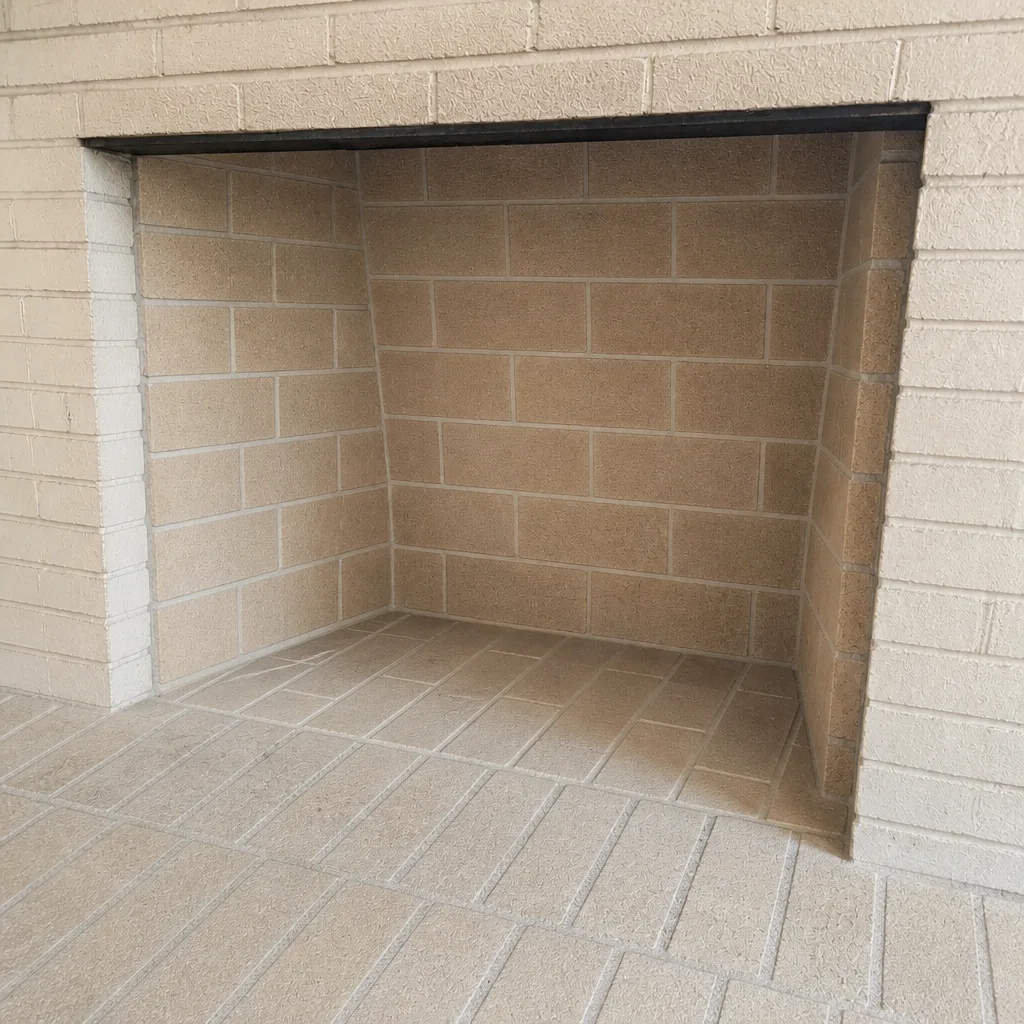
See the difference
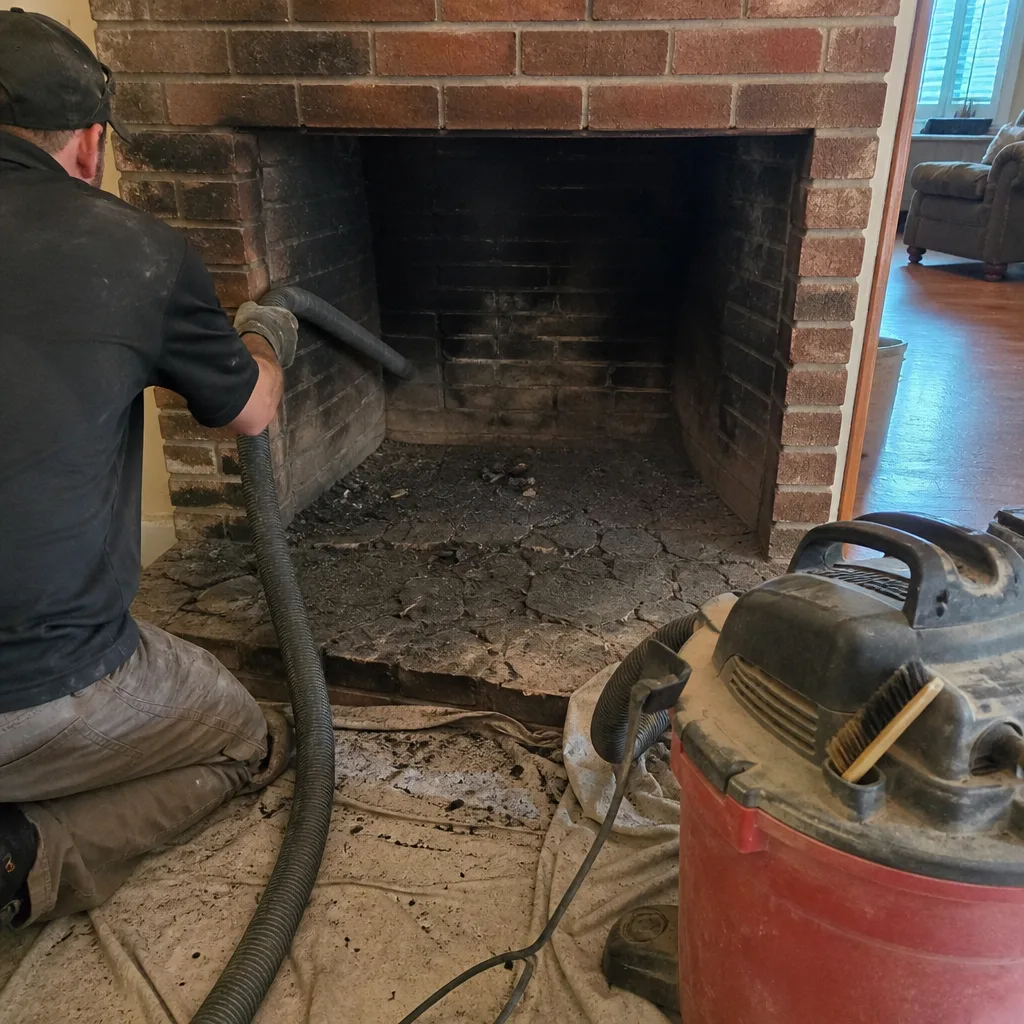 Before
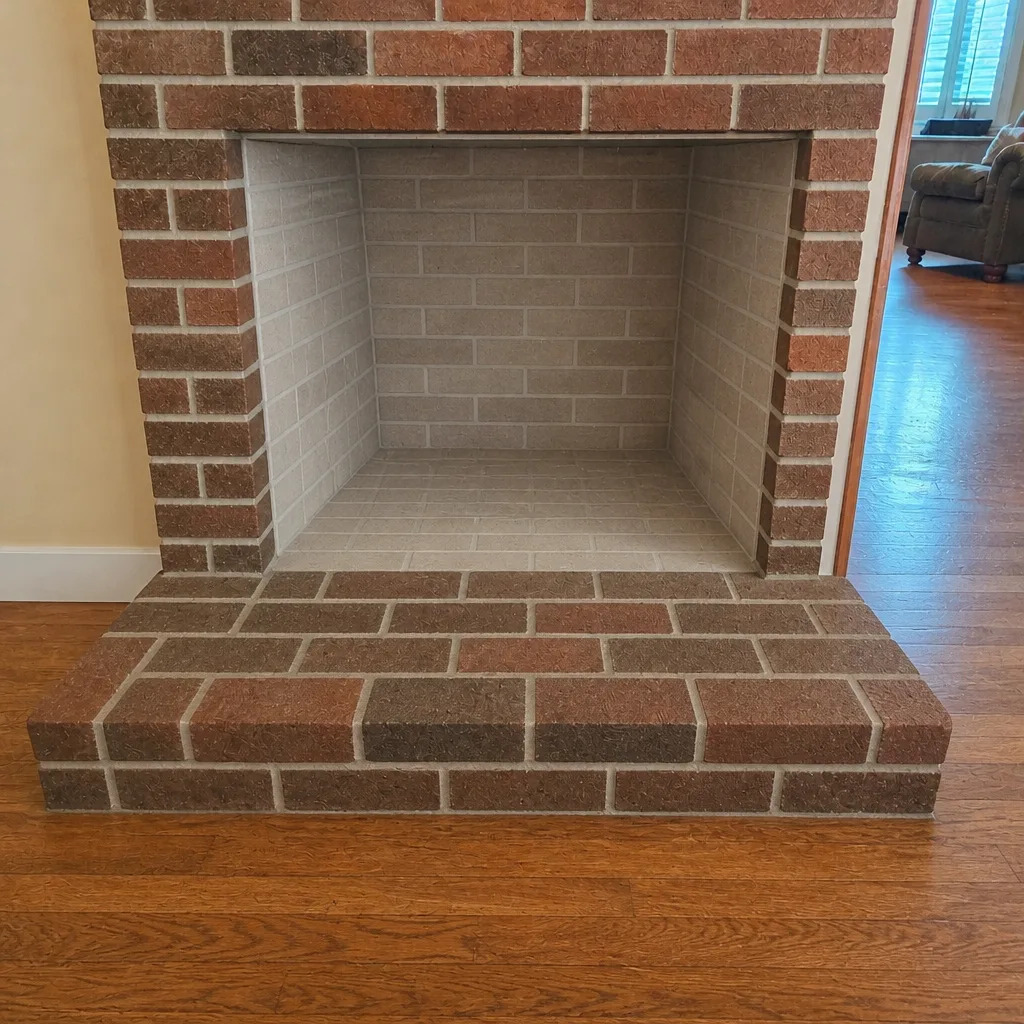 After
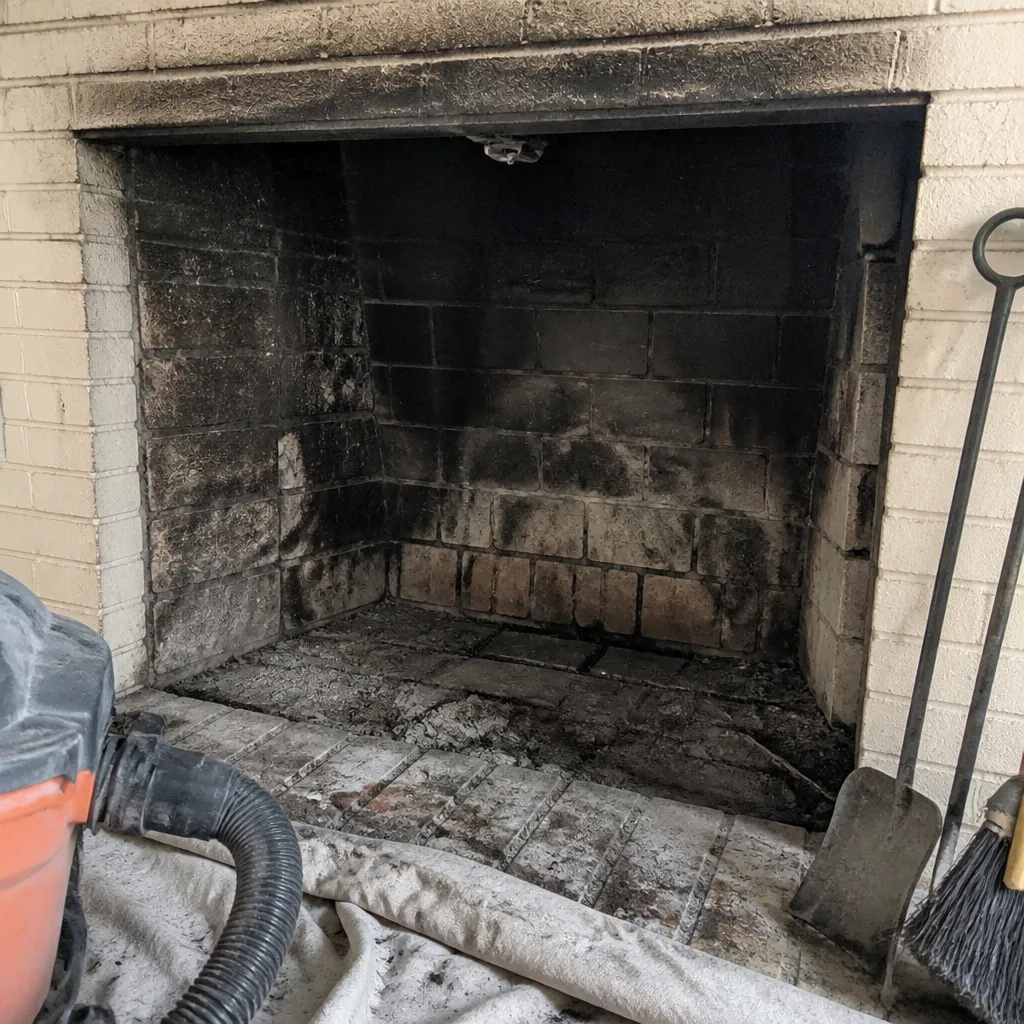 Before
 After
 Before
 After
When to Call a Professional
You should call a professional chimney service in Bluffview if you’ve had a chimney fire, even a small one; if you smell smoke indoors when the fireplace is lit; if the damper won’t open or close cleanly; if you see cracked or crumbling masonry on the outside of the chimney; if water is coming in near the flue; or if it’s simply been over a year since the last inspection. Routine annual cleaning and inspection also belongs in that call, since it’s the cheapest way to catch a problem while it’s still small.
Chimney Sweep Bluffview offers free estimates in Bluffview. Call (866) 901-7504. We answer 24/7. Fast dispatch from 7am to 7pm, Sunday through Friday. Our technicians have up to 13 years of experience, and they’ll show you what they find on the camera before anybody talks about a repair.
Frequently Asked Questions
Chimney cleaning in Bluffview typically costs $180 to $340 for a standard flue, with the final price set by a free written estimate. Larger or heavily fouled flues cost more. Call (866) 901-7504 for an exact quote. Estimates are free.
Only if the camera scan shows the lining is actually cracked, broken, or covered in stage 3 glazed fuel that can’t be removed. HeatShield resurfacing can often restore a damaged flue without the cost of a full liner replacement. We’ll tell you which one your chimney actually needs, and show you the photos either way.
Once a year for most homes that burn wood regularly, and inspect yearly even when the sweep is light. In Bluffview, our humid air and short burn season mean the creosote can build to the cleaning threshold in a single season even when you only burn occasionally.
No. The cleaning threshold is roughly 1/8 inch of creosote, and short, intermittent fires in a cool, humid climate can hit that in a single season. Skipping it means the next fire is burning against a more flammable flue. Call (866) 901-7504 for a check.
Creosote keeps building, and eventually it can ignite inside the flue. A chimney fire can crack the liner and send heat into the framing around the chimney. It can also restrict airflow, which sends carbon monoxide back into the house. Call us before that becomes a problem rather than after.
A sweep is a cleaning. A Level 2 inspection adds a full video scan of the flue, a closer look at the smoke chamber, and a written report. A Level 2 is worth scheduling whenever you’ve bought a new home, had a chimney fire, changed an appliance, or seen water intrusion.
The Bottom Line
Chimney cleaning in Bluffview isn’t a single brush-and-go visit. It’s an inspection, a full brush-and-vacuum of the flue, and a final camera check that proves the job was done. Short burn seasons and humid air build creosote here in a pattern that catches people off guard, and stage 3 glazed deposits need treatment, not just brushing. When you’re ready for a real sweep that starts with an inspection and ends with a written report, call Chimney Sweep Bluffview at (866) 901-7504. Estimates are free.
Written by the team at Chimney Sweep Bluffview.