
Last updated November 23, 2026
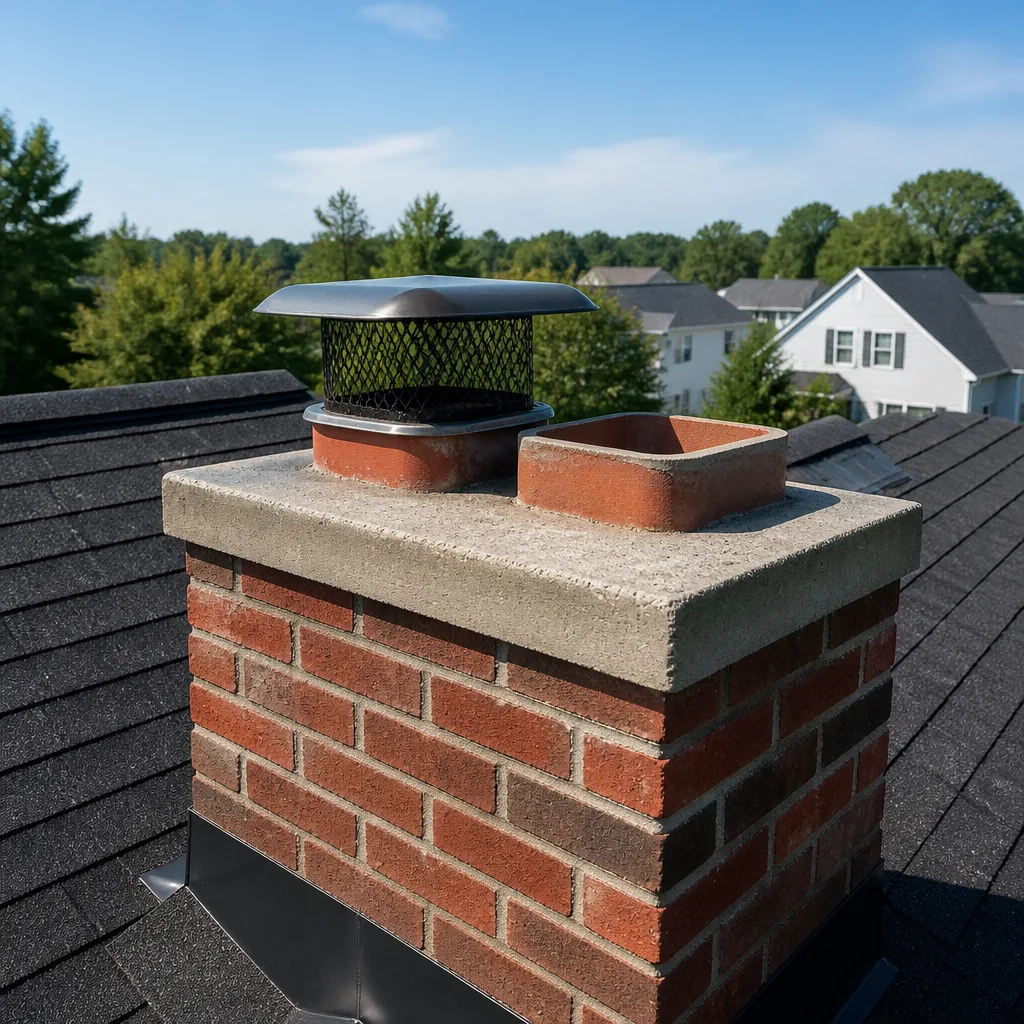 Sweep & inspection
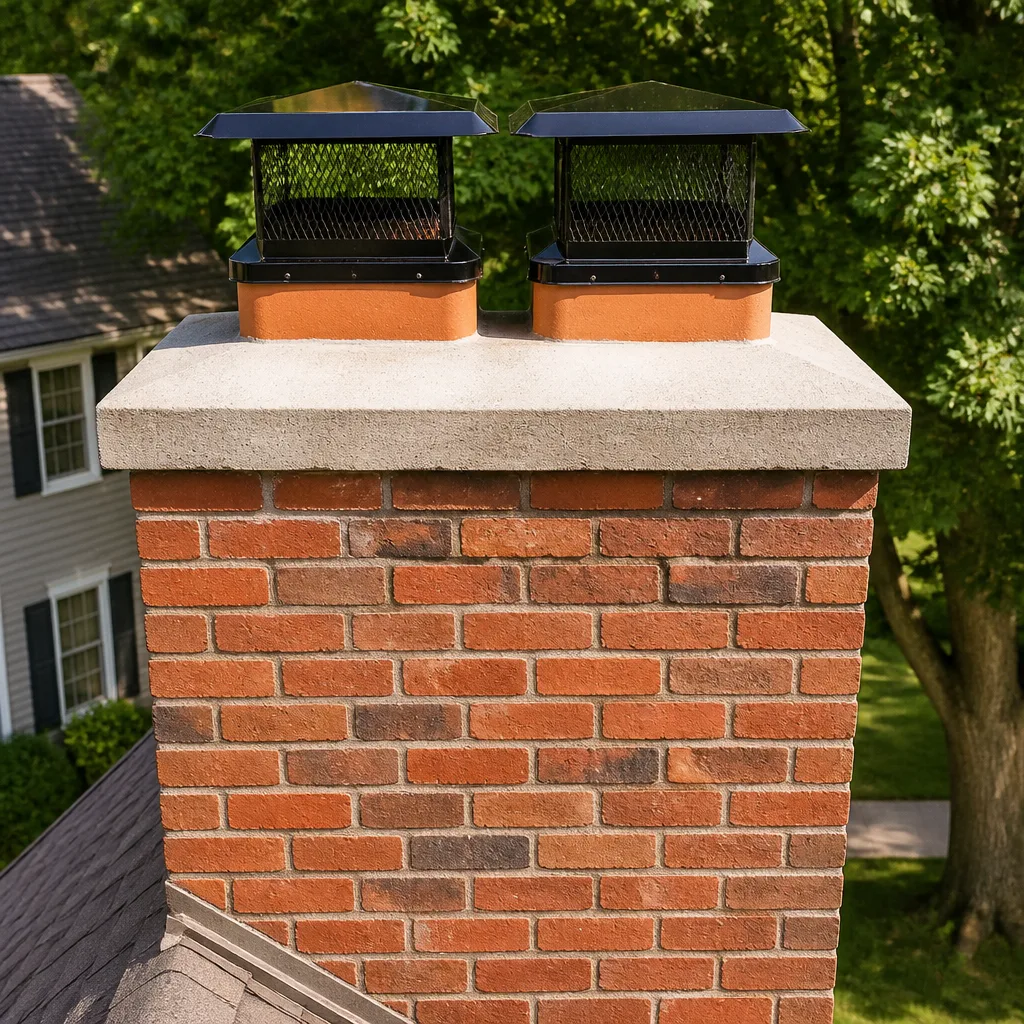 Caps & crowns
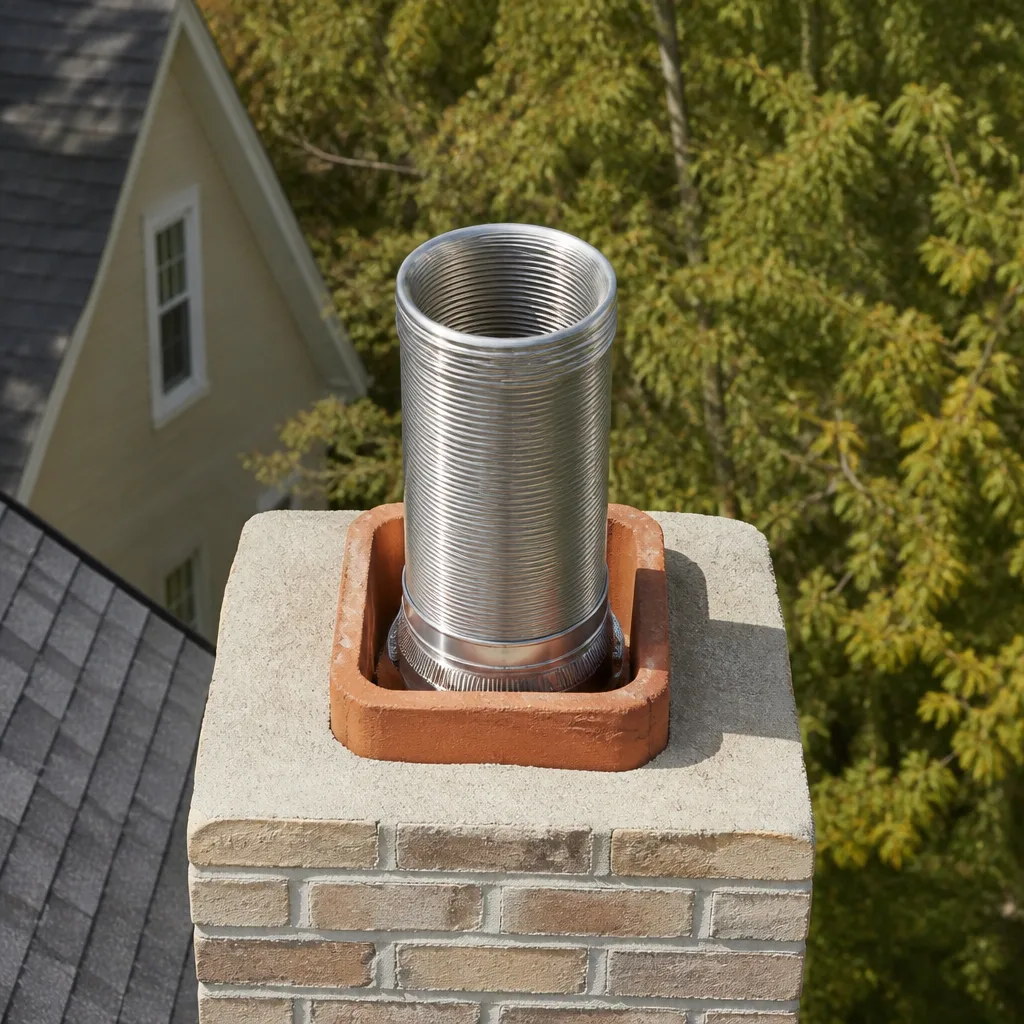 Flue relining
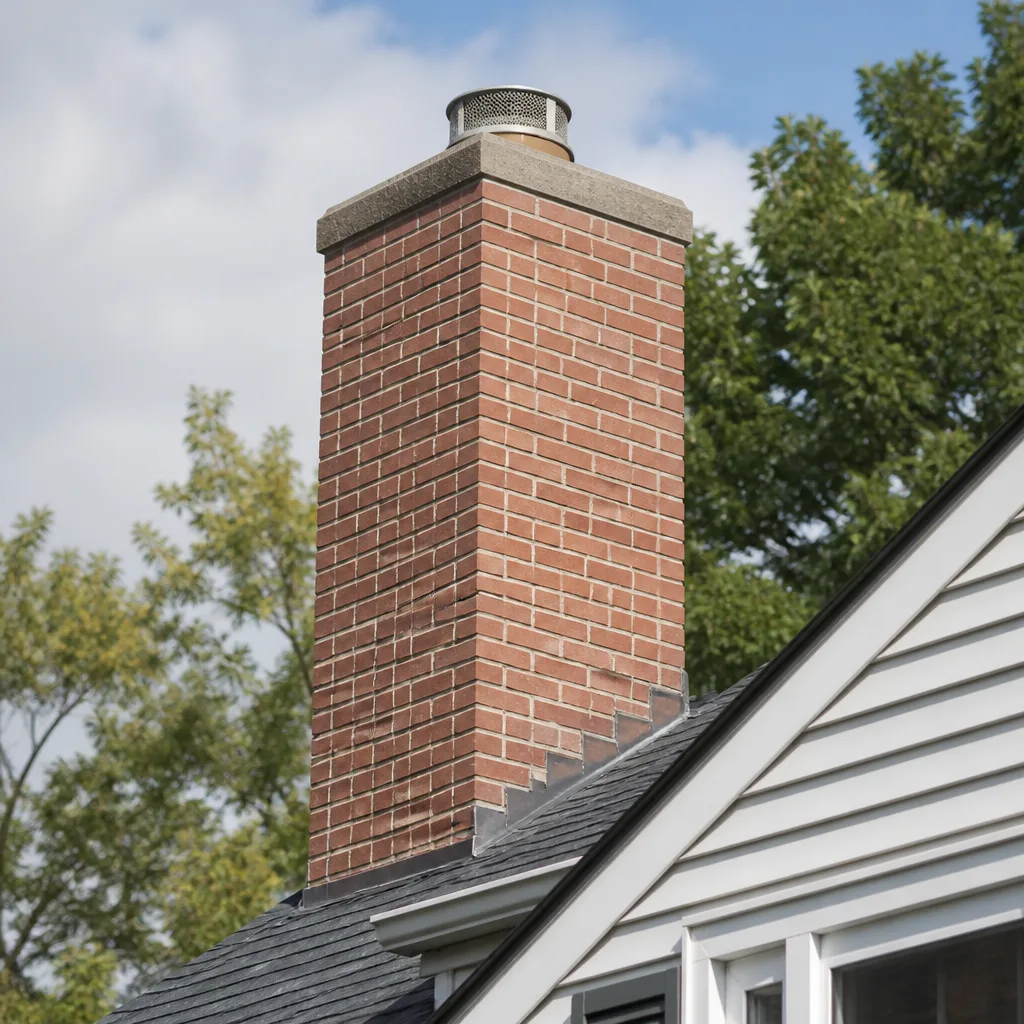 Masonry repair
 Gas fireplace service
Level 1 sweep and inspection to the NFPA 211 annual standard - flue, crown, cap, and flashing checked and photographed
Chimney sweep logs do not sweep chimneys. They loosen some creosote - which then falls where a brush and vacuum still have to collect it.
DIY vs Professional Chimney Cleaning: The Bluffview Homeowner’s Decision Guide
A chimney brush and rod kit costs about $60 at any home improvement store. That low entry price is why so many homeowners in Bluffview think about sweeping their own flue. But the reason experienced, capable homeowners still call a professional isn’t fear. It’s that cleaning a chimney you can’t fully see is an incomplete job, not a cost-saving one. This guide is for the homeowner who uses their fireplace regularly and wants the straight story: which tasks you can genuinely handle yourself, which ones you can’t do without professional equipment, and how to know which category your chimney falls into. We’ll walk through the real cost comparison, the camera inspection most DIY jobs skip, and the insurance question nobody talks about until after a chimney fire.
Quick Answer
DIY chimney cleaning can be a reasonable choice for a well-maintained, single-story system with light soot that you already understand and have inspected. For anything else – a flue you’ve never had looked at, a two-story run, heavy creosote, or a chimney with a history of performance problems – professional cleaning is the safer and more complete option because it includes a camera inspection the brush alone can’t provide. In Bluffview, where fireplaces see regular use through mild winters and long shoulder seasons, the deciding factor is usually whether the flue has ever been properly documented.
Styles & brands we work with
- Sweep & inspection
- Caps & crowns
- Flue relining
- Masonry repair
- Gas fireplace service
Table of Contents
- What a capable DIYer can safely handle
- What you can’t do without professional equipment
- Why a camera inspection after cleaning is the step DIY misses
- The insurance and liability angle
- An honest cost comparison
- When DIY makes sense and when it creates false safety
- Common mistakes to avoid
- When to call a professional
What a Capable DIYer Can Safely Handle
We’re not going to tell you that touching your own fireplace is reckless. It isn’t. There’s a real, honest list of tasks a careful homeowner can do well, and doing them keeps a system in better shape between professional visits. The key is being clear-eyed about where that list ends.
These are the jobs a competent DIYer can handle safely:
- Removing light surface soot from the firebox. A stiff brush and a shop vacuum with a fine filter handle this. Light, dry soot from regular burning comes up easily and makes the firebox easier to inspect.
- Cleaning the firebox floor and walls. Ash removal, scraping off loose deposits, and wiping down the firebrick surface are all reasonable homeowner tasks when the deposits are light.
- Inspecting the damper. You can open and close the damper, check that it moves freely, and look for obvious rust, warping or debris blocking it. That’s a visual check any homeowner can do.
- Checking the firebox for obvious cracks. A flashlight and a careful look at the firebrick and mortar joints is a reasonable first pass. If you see a crack, that’s a call-a-professional moment, not a repair project.
- Keeping the firebox and hearth area clear. No stored wood against the fireplace, no debris on the hearth. Simple, and it matters.
Notice what’s not on that list: nothing that requires reaching up into the flue. Nothing that requires seeing above the smoke shelf. Nothing that requires confirming the liner is intact. Those tasks sit on the other side of the line, and they’re where DIY cleaning starts to create problems rather than solve them. Our technicians have up to 13 years of experience, and most of what that experience buys is knowing what the flue looks like above the reach of a brush.
What You Can’t Do Without Professional Equipment
Here’s the honest dividing line. The tasks below require equipment, training, or a view of the flue that a homeowner with a brush kit simply doesn’t have. This isn’t about capability. It’s about access and inspection.
- Reaching the full length of a two-story flue. A homeowner rod kit can reach a single-story run. On a taller chimney, the brush often stops short of the top, leaving the upper flue uncleaned while the firebox looks spotless.
- Seeing what’s actually on the flue walls. Creosote comes in stages, from light soot to a glazed, tar-like layer that a standard brush won’t remove. You can’t tell which stage you have without looking up the flue with proper lighting and a camera.
- Inspecting the liner for cracks, gaps or separation. A damaged liner is the single most important thing a cleaning is supposed to catch. A brush-and-glance approach misses it.
- Checking the smoke chamber and smoke shelf. These areas above the damper collect creosote and are notoriously hard to see, let alone clean, without the right tools.
- Confirming the crown and cap are intact. The top of the chimney is where water gets in. You can’t inspect it from the firebox, and climbing a roof to do it is the kind of height work that belongs with trained professionals.
- Removing heavy or glazed creosote. This requires specific chemical treatment and mechanical tools. Trying to force it with a standard brush can damage the liner.
This is where professional-grade materials matter. When we reline a flue, we use DuraFlex flexible liner systems; when a liner is deteriorating but not beyond saving, we use HeatShield resurfacing. Those materials exist because a flue inspection that finds damage needs a real fix, not a hardware-store patch. A homeowner with a brush kit can’t install either, and shouldn’t try.
Why a Camera Inspection After Cleaning Is the Step DIY Misses
Cleaning without inspection is like mopping a floor in the dark. You might get the visible dirt, but you have no idea what’s underneath the furniture. In chimney terms, the brush removes what it can reach. The camera shows what the brush didn’t touch, and that’s where the real information lives.
A camera inspection does several things a brush-and-glance can’t:
- It shows the full length of the flue. The camera travels the entire run, top to bottom, so you see the whole liner rather than just the reachable section.
- It reveals cracks and gaps in the liner. Small defects in a clay tile or metal liner can let heat and gases reach the structure around the chimney. You can’t see these from below.
- It identifies creosote stage. The camera shows whether deposits are light soot, or the glazed third-degree creosote that needs treatment before it becomes a fire risk.
- It catches separation and gaps at joints. Liner sections can pull apart over time. The camera shows it; a visual check from the firebox does not.
- It documents the condition before and after. Photos give you a record of what was found and what was done, which matters for the next section.
In our experience, the camera routinely finds things a brush alone can’t. A hairline crack in a tile. A section of liner that’s pulled slightly out of alignment. A smoke chamber that’s collected creosote for years. None of these show up in a DIY clean, and none of them are things you want to discover the hard way. Call (866) 901-7504 for an inspection – we answer 24/7, and fast dispatch runs from 7am to 7pm, Sunday through Friday.
The Insurance and Liability Angle
Here’s the part most DIY guides leave out. If a chimney fire happens after a homeowner cleans the flue themselves, there’s no professional documentation of the chimney’s condition. That absence can complicate a fire insurance claim in ways homeowners don’t anticipate.
Insurance adjusters look for evidence that the chimney was maintained. A professional cleaning and inspection produces a record: a written report, photos, and a documented assessment of the liner’s condition. When a claim is filed, that record shows the homeowner took reasonable steps to maintain the system. A DIY cleaning with no documentation leaves a gap. The adjuster can’t see what condition the flue was in, and a claim can face questions a documented one wouldn’t.
To be clear, this isn’t a scare tactic. Most homeowners who clean their own chimney never have a fire, and most claims are handled fairly regardless. But insurance is about managing risk, and documentation is part of how risk gets managed. If your chimney has never had a professional inspection, having one establishes a baseline. It’s a record you’d want if you ever needed it, and it’s useful even if you never do.
Beyond insurance, there’s the matter of the work itself. Every job we take on begins with a chimney inspection so repairs are scoped accurately, not estimated blindly. That inspection-first approach is what turns a cleaning into a documented record of the system’s condition. It’s also why we specialize in chimneys and fireplaces only – this isn’t a side service added onto a general HVAC or roofing business.
An Honest Cost Comparison
The DIY case usually rests on the price of the brush kit. But the real comparison includes more than the equipment, or the professional’s fee. Here’s an honest look at both paths, with the costs that don’t make it into the calculator.
| Cost item | DIY | Professional |
|---|---|---|
| Equipment | About $60 for a basic brush and rod kit | Included in the service |
| Inspection | Not possible with a brush alone | Camera inspection included |
| Time | A few hours, plus cleanup, plus the learning curve | Handled in one visit |
| Disposal of soot and creosote | Homeowner handles it | Handled by the technician |
| Documentation | None | Written report and photos |
| Risk of missed liner damage | Higher, because the flue isn’t fully visible | Lower, because the camera shows the whole run |
The brush kit isn’t the only cost. There’s the time, the cleanup, the disposal of the soot, and the fact that a DIY clean doesn’t tell you whether your liner is safe. If the DIY clean misses a cracked tile and the homeowner finds out later, the repair is bigger than a cleaning would ever have been. When you compare the true costs, a professional cleaning is priced against a full afternoon of work and a level of inspection the homeowner can’t replicate. If your DIY effort turns up damage, the repair could involve a chimney repair that a camera inspection would have caught earlier.
Typical pricing in the Bluffview market for a sweep and inspection lands in a modest mid-range, and the written estimate you receive before booking sets the final price. We’ll tell you upfront what the visit covers, and the estimate is free.
What the estimate should tell you
A written estimate from Chimney Sweep Bluffview lays out what the visit includes: the sweep, the inspection, the photo report, and any recommended work with its own line-item price. Nothing is added after the fact. If the camera inspection finds damage, you see the photos before anything is scheduled. That’s the standard you should expect from any professional, and if an estimate is vague on scope, ask before you book.
When DIY Makes Sense and When It Creates a False Sense of Safety
Now for the honest part. There are situations where a homeowner can and should handle light maintenance. There are also situations where DIY cleaning gives a false sense of safety that’s more dangerous than doing nothing.
DIY makes sense when all of these are true:
- The chimney is a single-story run you can reach with a homeowner rod kit.
- The system has been professionally inspected at least once, and you know its condition.
- The buildup is light soot from regular, well-seasoned fires – not heavy or glazed creosote.
- You’ve done it before and know what light soot looks like versus a problem.
- The firebox, damper and firebrick are in good condition, with no cracks.
- You understand that this is maintenance between inspections, not a replacement for one.
DIY creates false safety when any of these are true:
- The flue has never been inspected, so you don’t know its baseline condition.
- The chimney is two stories, or taller than your rod kit can reach.
- The buildup looks heavy, dark or glossy, which means glazed creosote the brush won’t remove.
- The fireplace has ever smoked into the room, backed up, or smelled strongly between burns.
- The firebox shows cracks in the brick or mortar.
- You’re cleaning it because you assumed it needed it, not because you know it did.
The pattern is simple. DIY works when you already understand the system and you’re doing routine maintenance. It fails when it’s standing in for an inspection you’ve never had. In Bluffview, that distinction matters because the mild climate means fireplaces get used well into cooler weather and often well into spring. Regular use without a baseline inspection is exactly the scenario where light soot hides a bigger problem. If you’ve never had the flue looked at, a professional inspection is the right first step, and it will tell you honestly whether you can take it from there. Reach out to the team at Chimney Sweep Bluffview for a sweep that includes camera documentation, or call (866) 901-7504 to book a free estimate.
Common Mistakes to Avoid
- Cleaning without knowing the liner’s condition first. Running a brush through a flue whose liner may already be cracked can damage it further. An inspection before a DIY clean is the only way to know if the flue is even safe to brush.
- Assuming a clean firebox means a clean chimney. The firebox is what you see. The creosote that matters builds on the flue walls above the damper, where a brush can reach and a glance cannot.
- Using a hardware-store brush on a glazed creosote deposit. When creosote reaches the glazed stage, a standard brush won’t remove it and can spread it. That deposit needs professional treatment, and force makes it worse.
- Skipping the camera inspection to save time. The camera is the whole point. A cleaning that doesn’t document the liner’s condition gives you a clean firebox and no idea whether the system is safe.
- Climbing the roof to check the crown and cap. That’s height work, and a slip can be serious. Leave the roof access to trained professionals; it’s part of the inspection we include.
- Burning green or unseasoned wood and then blaming the chimney. Wet wood produces more creosote faster. If you’re going to do your own maintenance, use well-seasoned wood and the deposits stay manageable.
- Treating one DIY clean as a permanent solution. Creosote rebuilds with every fire. A single cleaning doesn’t reset the clock permanently; it just clears what’s there now.
When to Call a Professional
Call a professional if you’re not sure of your chimney’s condition, if it’s taller than your equipment can reach, if the buildup looks heavy or glossy, if the firebox has cracks, or if you’ve never had an inspection. Call if the fireplace smokes into the room or smells strong between burns. Call before you book any repair, because the inspection should come first. And call if you want the documentation that a home insurer may ask for. Chimney Sweep Bluffview offers free estimates in Bluffview – call (866) 901-7504. We answer 24/7. Fast dispatch from 7am to 7pm, Sunday through Friday. Our technicians have up to 13 years of experience, and every visit starts with an inspection, so you know exactly what your chimney needs – and what it doesn’t.
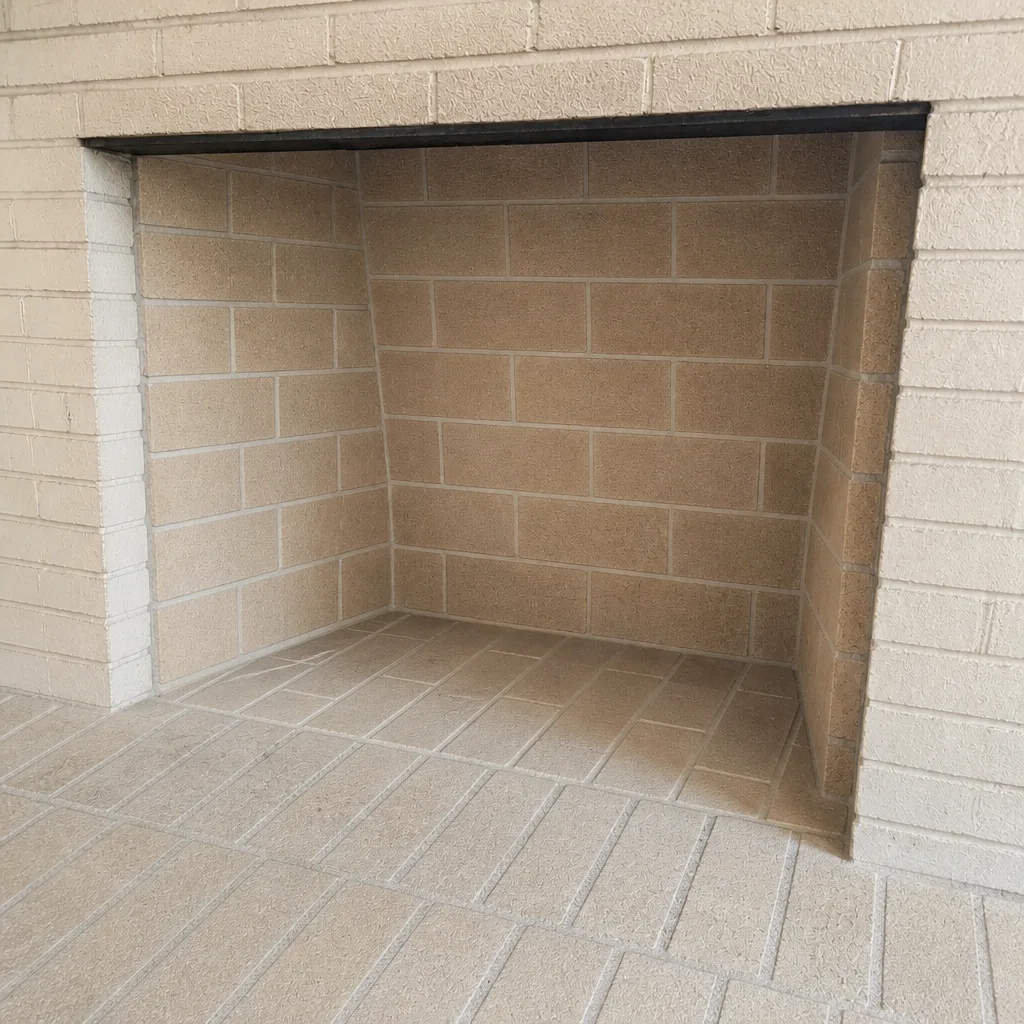
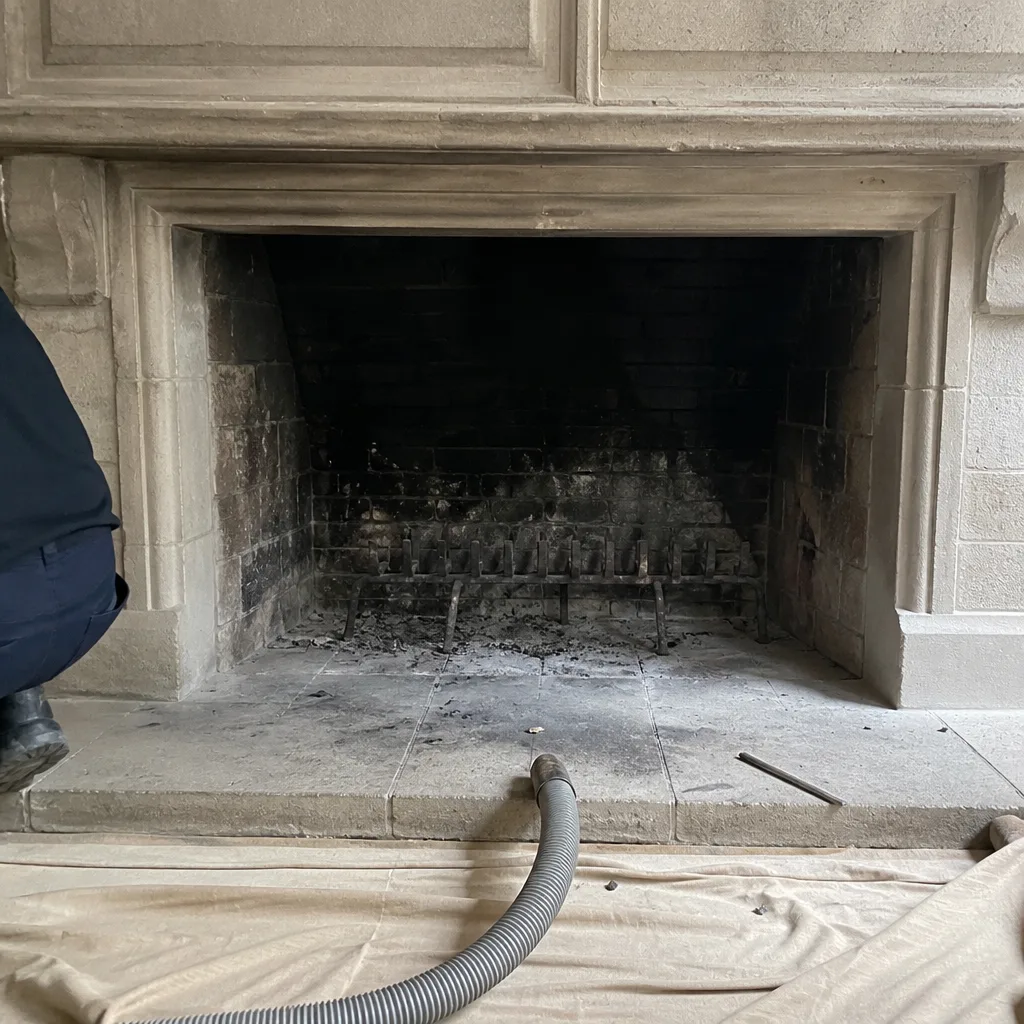
See the difference
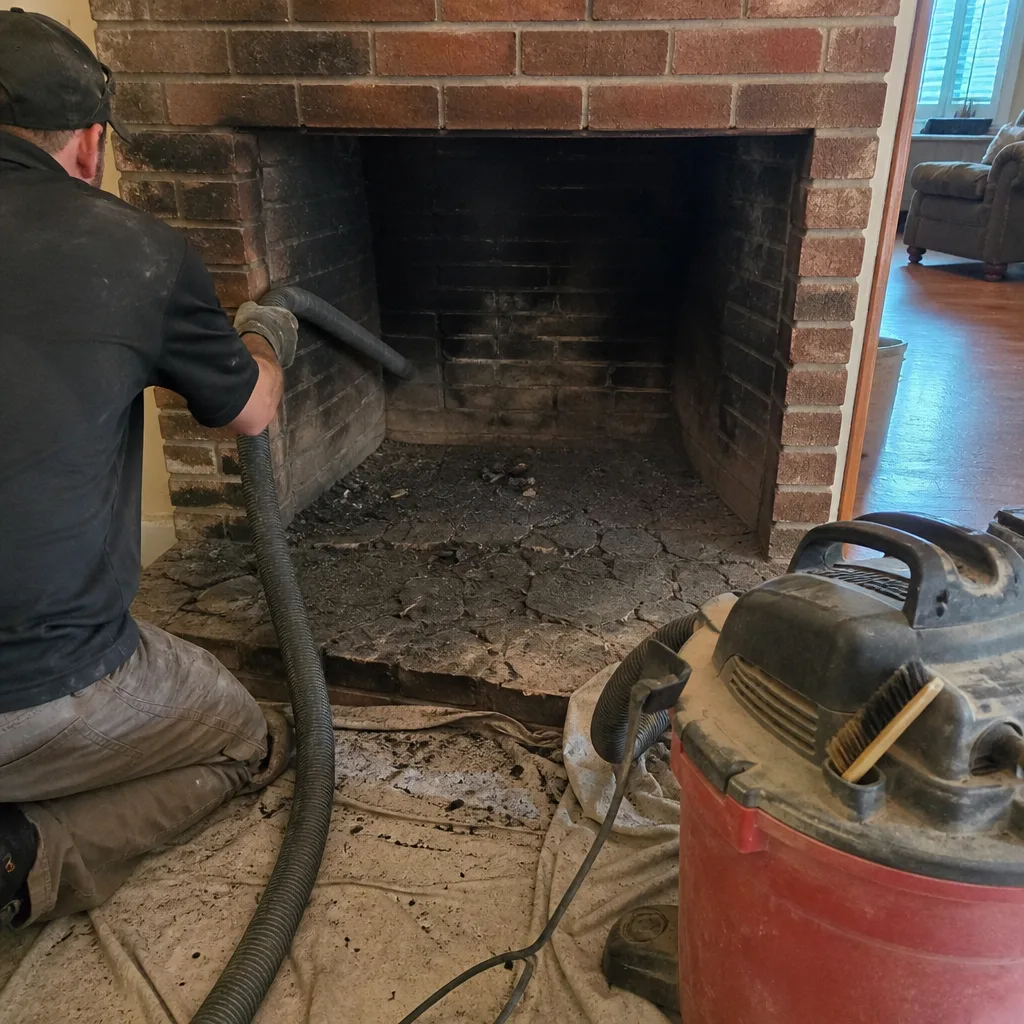 Before
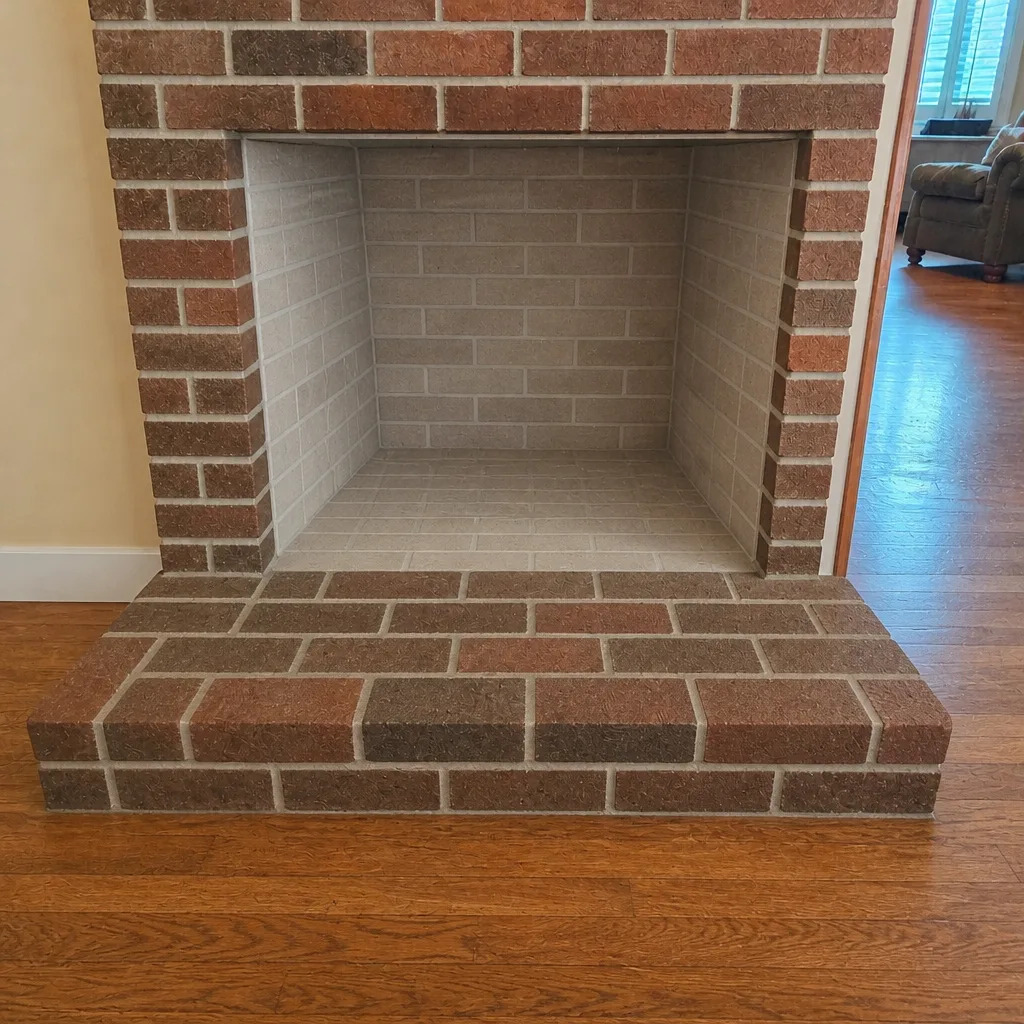 After
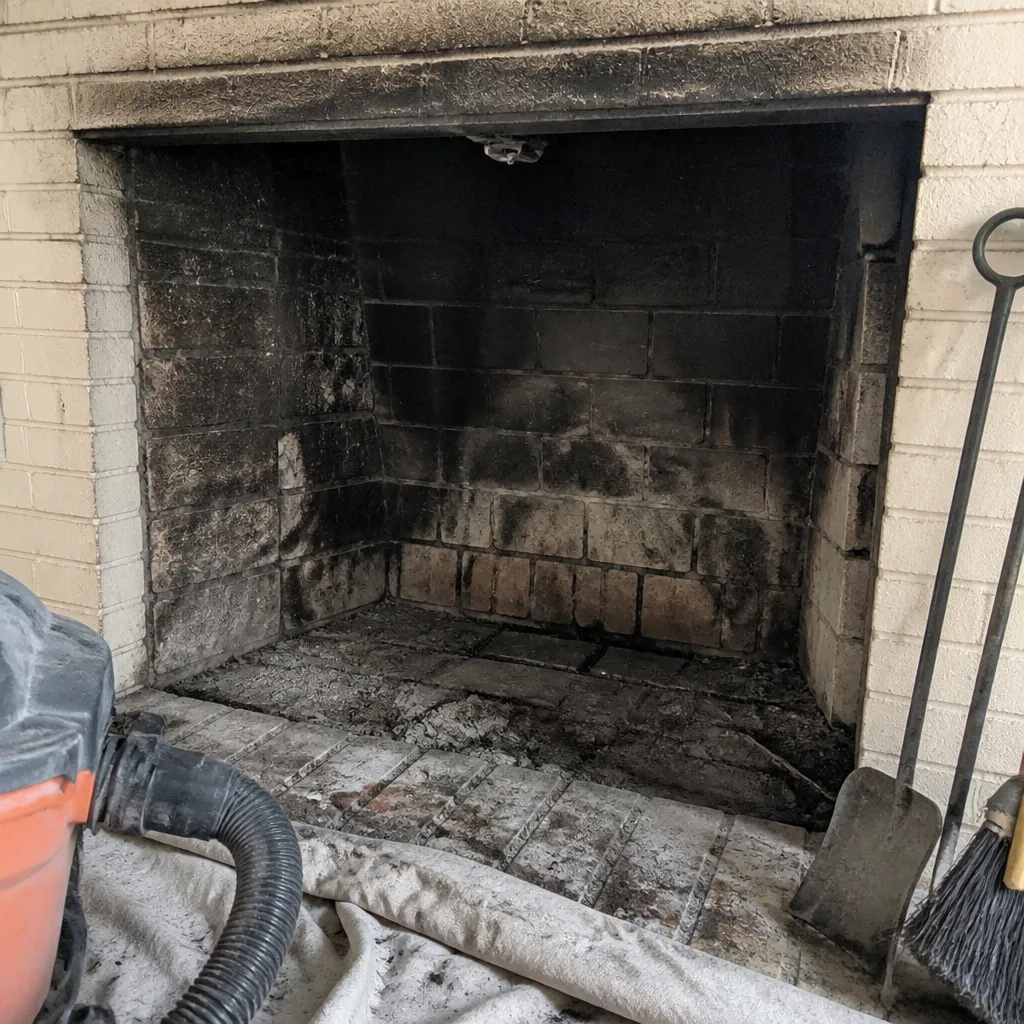 Before
 After
 Before
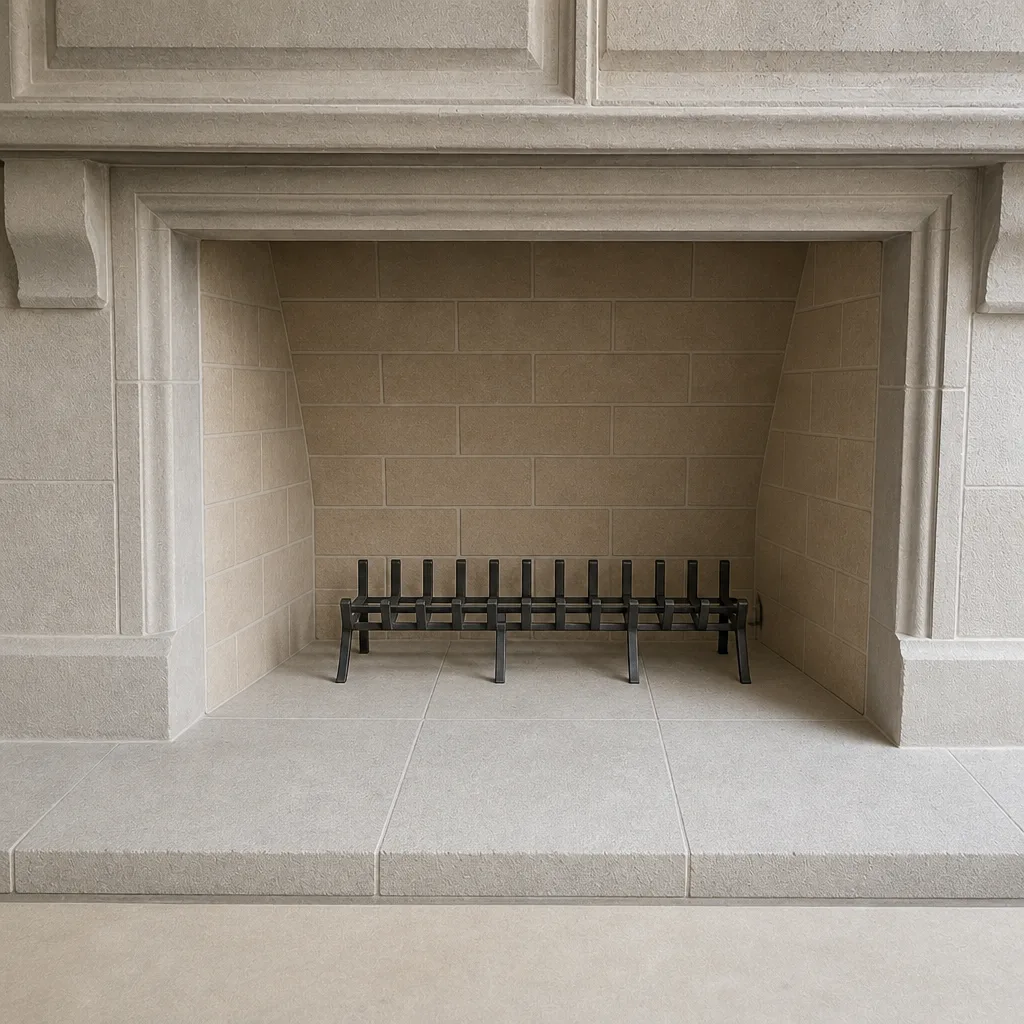 After
Frequently Asked Questions
A chimney sweep in Bluffview typically falls in a modest mid-range for a sweep with inspection included, and the written estimate sets the final price. You’ll get that estimate before booking, and it’s free. The number depends on the flue’s length and condition, not on any hidden fee. Call (866) 901-7504 for an exact quote – estimates are free.
Not always. A liner needs replacement when the camera inspection shows cracks, gaps or separation that can’t be repaired. When the damage is more moderate, HeatShield resurfacing can restore the flue without the cost of full liner replacement. We’ll tell you which one your chimney actually needs, and the photos show you why. Call (866) 901-7504 to schedule an inspection.
A chimney should be swept when deposits build to about an eighth of an inch, which for regular fireplace users often works out to roughly an annual cleaning. If you burn frequently, check sooner; if rarely, the inspection will tell you. In Bluffview’s mild climate, fireplaces see steady seasonal use that builds deposits gradually. Call (866) 901-7504 for an inspection that tells you where your chimney actually stands.
Skipped cleanings let creosote build up, and creosote is what burns in a chimney fire. Carbon monoxide can also back up into the home if the flue is blocked or damaged. Neither is a reason to panic, but both are reasons to schedule the inspection that catches the problem early. Call (866) 901-7504 – estimates are free, and we’ll tell you honestly whether the work can safely wait.
Yes, if it’s a single-story system that’s been professionally inspected, the buildup is light soot, and you know what you’re looking at. You can safely clean the firebox, check the damper and do light soot removal yourself. What you can’t do is see the full flue or confirm the liner is intact, and that’s the step the camera covers. Call (866) 901-7504 if you want that baseline established.
A brush reaches the flue walls, but it can’t show you the liner’s condition. The camera inspection after cleaning reveals cracks, gaps, separation and creosote stage that a brush-and-glance can’t catch. That’s the step most DIY cleanings skip. Our technicians use camera inspection on every visit so you see what we see. Call (866) 901-7504 for a free estimate.
What’s the difference between a sweep and an inspection?
A sweep removes soot and creosote; an inspection documents the condition of the flue, liner, firebox, crown and cap. A complete visit includes both, which is why a sweep without a camera leaves you guessing. We handle the full system – sweeping, caps, crowns, liner work and masonry – so nothing gets referred out. Call (866) 901-7504 to book.
The Bottom Line
DIY chimney cleaning isn’t reckless, and it isn’t always the wrong call. For a well-maintained, single-story system you already understand, it’s a reasonable way to handle light maintenance between inspections. But when it stands in for the inspection you’ve never had, it creates a false sense of safety that the camera would have caught. The brush-and-rod kit is cheap; the liner damage a DIY clean misses isn’t. In Bluffview, where fireplaces see steady seasonal use, the right first step is a professional inspection that gives you a baseline, documentation for your insurer, and an honest answer about what your chimney actually needs. We use professional-grade materials – DuraFlex, HeatShield, Copperfield – because your chimney system deserves more than a hardware-store fix. If you’re ready to know where your chimney stands, call (866) 901-7504 for a free estimate.
Written by the team at Chimney Sweep Bluffview.