
Last updated November 23, 2026
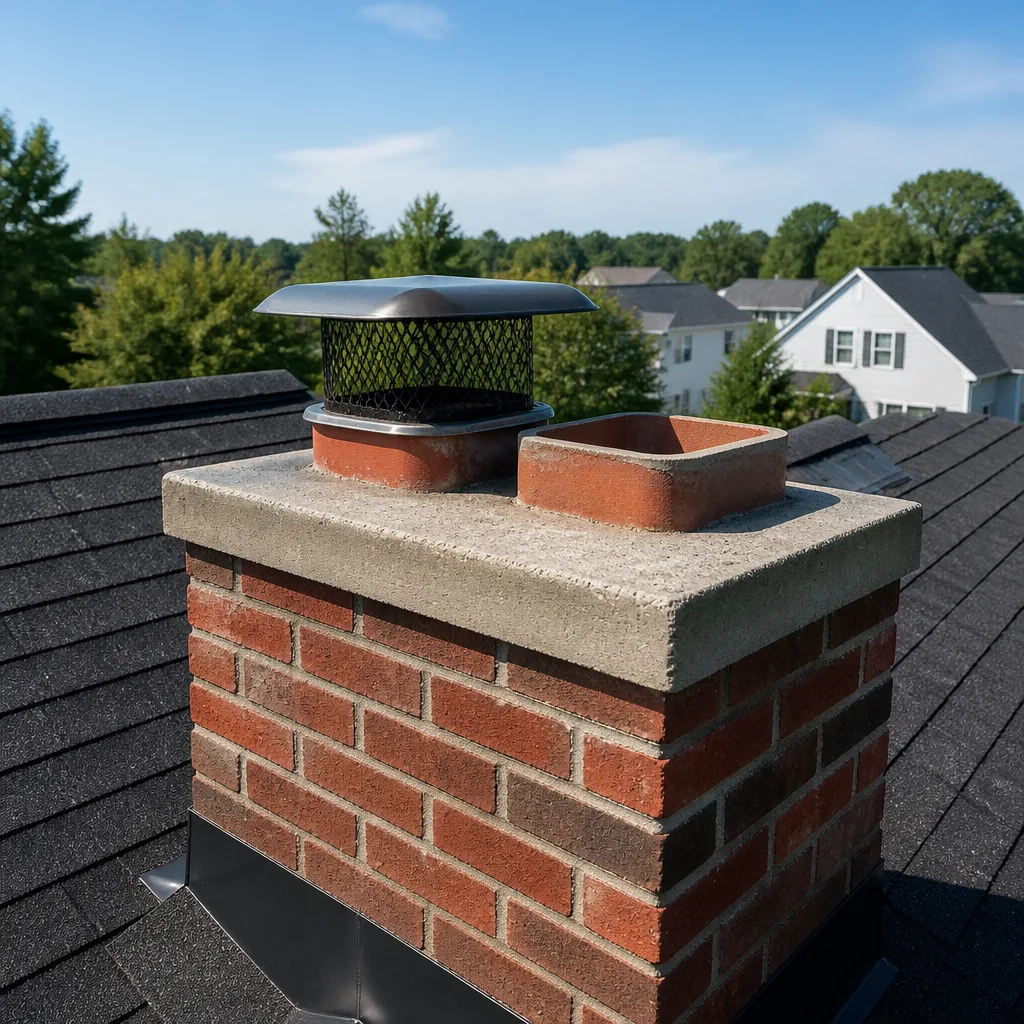 Sweep & inspection
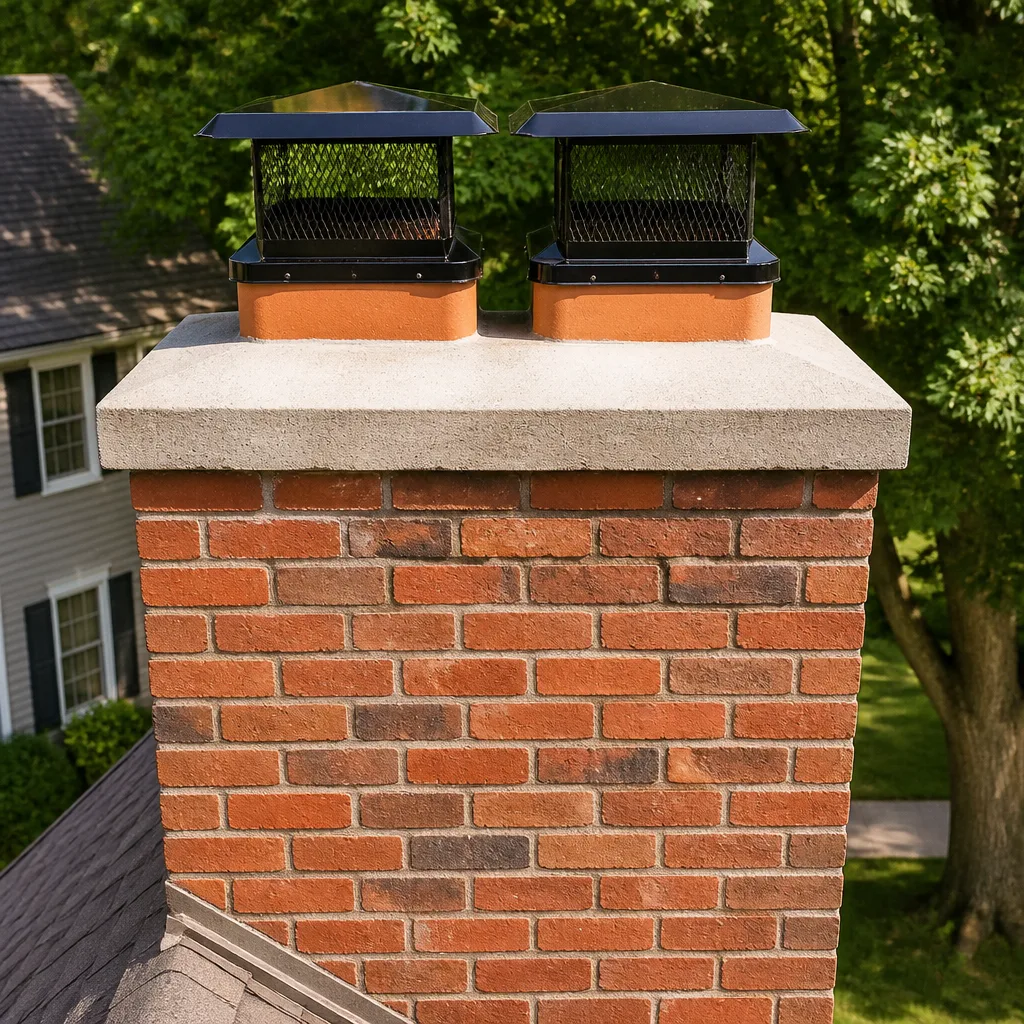 Caps & crowns
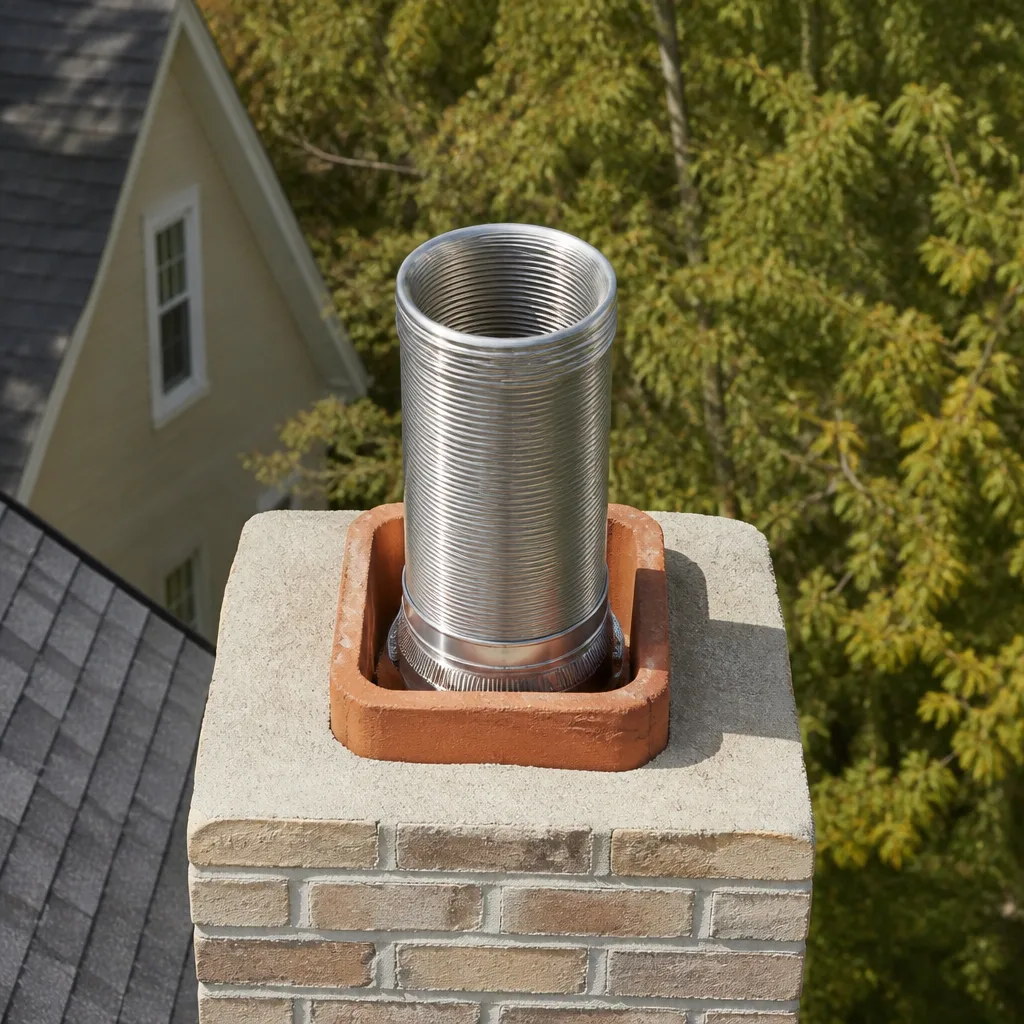 Flue relining
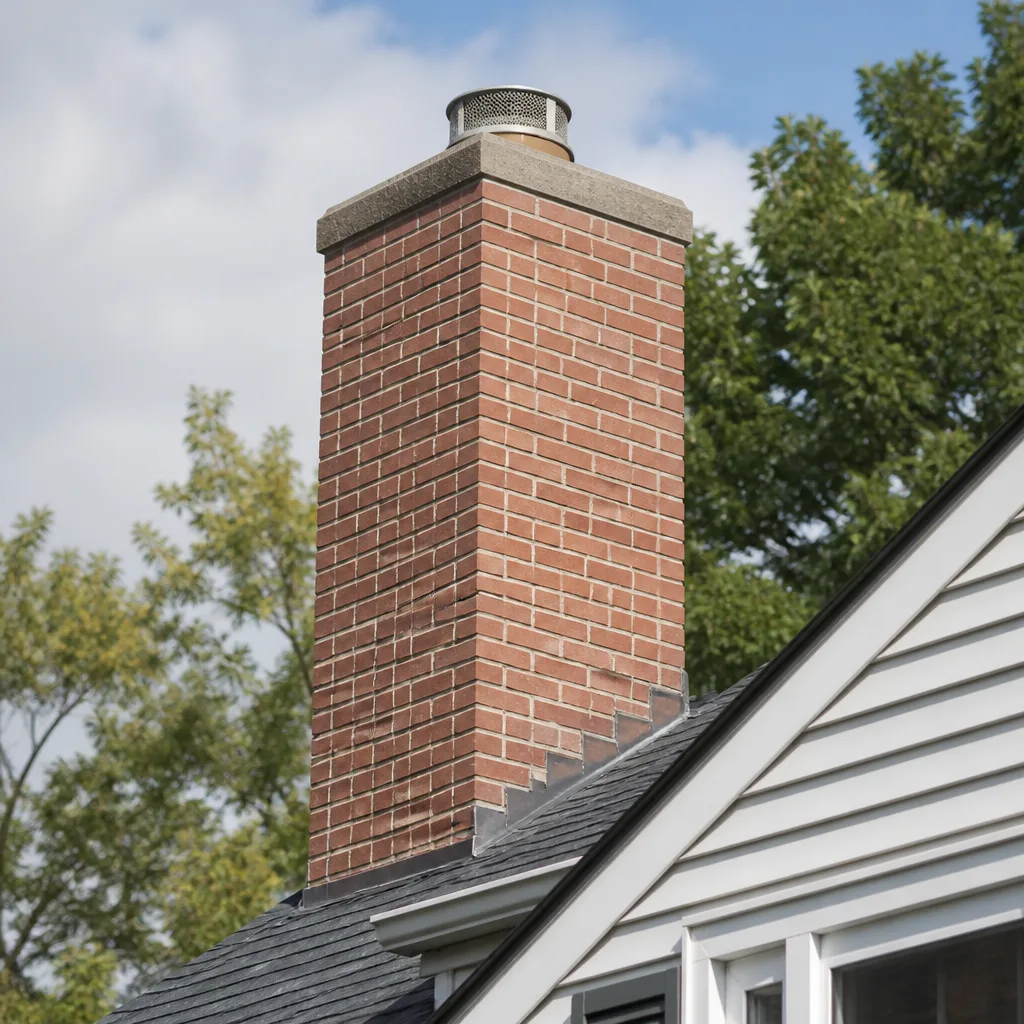 Masonry repair
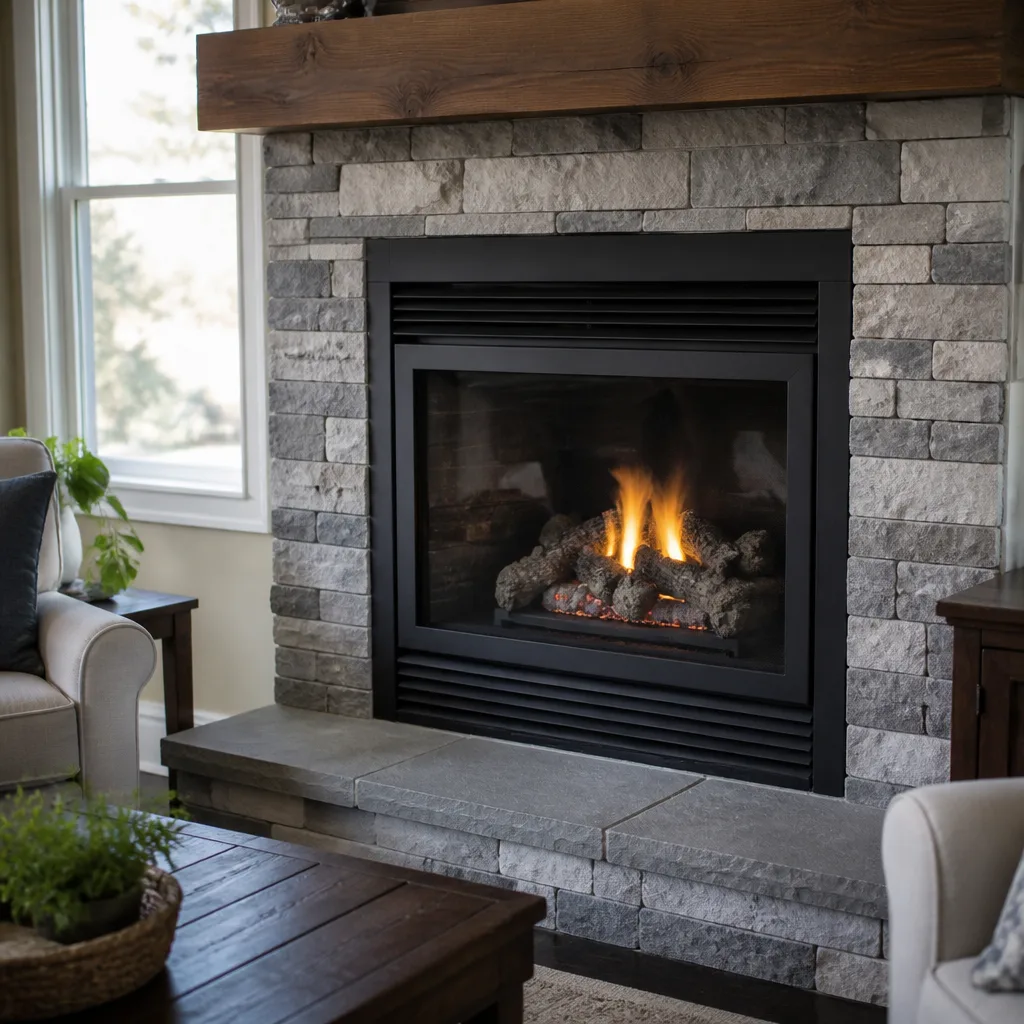 Gas fireplace service
Level 1 sweep and inspection to the NFPA 211 annual standard - flue, crown, cap, and flashing checked and photographed
Chimney sweep logs do not sweep chimneys. They loosen some creosote - which then falls where a brush and vacuum still have to collect it.
Choosing the Right Chimney Cleaning Brand: A Buyer’s Guide for Bluffview
Two chimney technicians can arrive with the same job description and quote a nearly identical price, yet leave you with very different systems inside your flue. The difference between a liner installed with industry-standard materials and one built from off-brand substitutes usually stays invisible for years – until a warranty question comes up and nobody can tell you what was actually put in your chimney. Retail packaging and professional-trade supply lines share category names like “brush,” “rod,” and “sealant,” but they are not the same products. In this guide we’ll walk through what separates professional-grade chimney materials from retail substitutes, how to ask a contractor what brands they use, and what the answer signals. Bluffview homeowners who read this before booking will know what to listen for.
Quick Answer
The right chimney cleaning brand is the one formulated and built for professional trade use – not retail-packaged equivalents. In practice that means asking which brushes, rods, sealants, liner systems and caps a contractor uses before work begins. If the answer is specific (DuraFlex liners, HeatShield resurfacing, Gelco caps), the contractor is working from an established professional supply chain; if the answer is vague, treat that as a signal to keep asking.
Styles & brands we work with
- Sweep & inspection
- Caps & crowns
- Flue relining
- Masonry repair
- Gas fireplace service
Table of Contents
- Retail-Grade vs. Professional-Grade Chimney Products
- Brushes and Rods: Why the Brand Matters
- Liner Systems: HeatShield and Olympia Chimney Explained
- Sealants and Crown Repair: Not All Formulations Are Equal
- How to Ask a Contractor What Brands They Use
- Warranty Coverage and Material Quality
- Caps and Covers: Gelco and Famco
- Choosing a Chimney Professional in Bluffview
Retail-Grade vs. Professional-Grade Chimney Products
The chimney products category covers a huge range of quality that most homeowners never see. Retail packages sell brushes, rods, sealants and fireplace accessories under the same names a professional uses, so on paper the labels look equivalent. In the field, they behave very differently. A professional-grade polypropylene brush is built to flex under load without shedding bristles; a retail brush of the same shape may not survive a season. The distinction matters because chimney interiors contain flue liners, mortar joints and metal surfaces that cannot absorb careless contact.
We stock and install products from professional-trade supply lines because the materials are spec’d for repeated real-world use, not occasional weekend jobs. Our technicians have up to 13 years of experience, and most will tell you the same thing: the work goes more cleanly and the finished result lasts longer when the materials are professional-grade.
What separates the two categories:
- Material spec: Professional products are built to specific tolerance and durability standards set by the manufacturer, not by a retail buyer.
- Fit and sizing: Liners, rods and caps come in sizes designed to match specific flue dimensions, reducing voids and gaps.
- Training and spec sheets: Professional trade brands publish installation specs and provide training; retail packages seldom do.
- Repairability: Professional systems have component-level replacement options, so a single fitting can be swapped instead of the whole assembly.
- Traceability: Professional materials carry batch and product identification, which matters when warranty questions come up years later.
The practical takeaway for Bluffview homeowners is this: ask what brand the contractor uses and where it comes from. A contractor working from a professional trade supply line can name the products without hesitation.
Brushes and Rods: Why the Brand Matters
Brushes and rods are the most overlooked part of the safety equation. A consumer-grade brush can leave bristles or shed fibers inside the flue when it fails; professional-grade brushes from trade suppliers are tested to hold together under the torque of a spinning rod. The rod itself matters too. Cheap fiberglass or nylon rods break inside a flue, which creates a retrieval problem far worse than the original cleaning job.
Professional brushes are selected for the interior surface they contact. A stiff wire brush is wrong for a stainless flexible liner; a softer polypropylene brush is right. A professional working on a masonry flue may use a different grade altogether. The specialist knows this; a generalist with a home-center kit does not, and the difference shows up as scratched liner walls or incomplete creosote removal.
If you want your chimney swept by someone who matches the brush to the liner, a professional chimney sweep is the right call. This matters in Bluffview because many homes here fall back on the fireplace during our cool winter evenings, then sit idle the rest of the year. That pattern means creosote accumulates across months and has time to harden. We’ve seen how quickly a poorly matched brush can leave a scored liner behind.
When you talk to a contractor about brushes and rods, ask:
- What brush material do you use for my flue type?
- What rod brand do you rely on for flexible liners?
- Do you replace or retire rods that have been overloaded?
If the contractor has solid answers, you are talking to someone who treats the tools as part of the job. If the answers are vague, that’s your signal to keep looking.
Liner Systems: HeatShield and Olympia Chimney Explained
Liner systems sit at the center of this conversation. A flue liner protects the structure around your chimney from heat and combustion byproducts, so the brand and spec matter more than almost any other material choice. Industry-standard systems like HeatShield and Olympia Chimney are built to be installed under defined conditions, with documented specifications, and with a defined warranty path. Generic alternatives often do not carry the same documentation.
HeatShield is a chimney resurfacing system; it rebuilds the interior surface of a deteriorating flue rather than lining the whole flue with a new liner. That distinction matters. When the flue walls have cracks or spalling but the structure is otherwise sound, resurfacing can restore function at less cost than a full reline. When the damage is more extensive, a flexible liner system like DuraFlex is the right choice. We use HeatShield for chimney resurfacing and stock and train to install DuraFlex liners, so we can compare the two paths honestly for your chimney.
Olympia Chimney is one of the most respected professional supply lines in the trade. Contractors who source from Olympia are typically getting liners, caps and accessories built to spec for the installation they are doing, not to a retail shelf. That’s a positive signal when you’re comparing contractors.
How the decision usually breaks down:
- Hairline cracks and surface deterioration: resurfacing with HeatShield often restores the flue without a full reline.
- Widespread cracking, gaps at joints, or a flue that cannot be cleaned back to bare surface: a new flexible liner (DuraFlex) is the appropriate fix.
- Disconnected or missing liner sections: a full liner system is the only compliant path.
An inspection comes before any of those decisions. We don’t recommend a liner or a resurfacing without camera evidence you can see for yourself – because the biggest risk in chimney work is being sold work you have no way to verify.
Sealants and Crown Repair: Not All Formulations Are Equal
Sealant and crown repair products look interchangeable from the outside but behave very differently over a few Texas seasons. Crowns take direct sun and wide day-to-night temperature swings in Bluffview, which stresses any sealant joint. A formulation built for cold-climate elasticity may not cure properly in the heat here; a formulation built for commercial masonry may resist the wrong thing entirely. The right product is one spec’d for masonry crowns and for exterior temperature swings in this range, and it’s the kind of product a professional trade brand supplies rather than the general-purpose caulk aisle at a big-box store.
The crown itself is a concrete or masonry cap at the top of the chimney that sheds water away from the flue. Cracks in the crown let water into the chimney structure, which then shows up as staining on the ceiling or a corroded damper. A retail sealant applied to a crown that is already broken will look like a repair for one season and fail the next.
Here’s how a proper crown repair usually goes:
- Inspect the crown for cracks, spalling, and separation at the flue.
- Clean and prepare the surface so the sealant can bond.
- Patch cracks or rebuild a damaged crown with a masonry mix spec’d for exterior use.
- Apply a sealant formulated for masonry during wide temperature swings.
- Re-inspect once the sealant has cured to confirm the joint is holding.
If your crown needs more than a patch, the chimney cap & crown scope covers the rebuild. We use brand-name materials for both because the cheap route shows up as a repeat repair within a few years, and we would rather solve it once.
How to Ask a Contractor What Brands They Use
Asking about brands is the single fastest way to separate a real chimney specialist from someone with a generic tool bag. The question is straightforward; the answer tells you a lot. Good contractors name the brands they rely on and can say why. Weak contractors give a vague answer that stays in the same shape no matter how many times you ask.
Here is what a vague answer sounds like, so you can spot it:
- “We use the best products on the market.” – which products?
- “Whatever my supplier has in stock.” – that isn’t a system, it’s an improvisation.
- “One brand is pretty much the same as another.” – they aren’t.
- “We only use top-of-the-line materials.” – again, which ones?
And here is how a strong answer sounds: a contractor who tells you they use DuraFlex for flexible flue relining, HeatShield for resurfacing, Gelco for caps, and a professional supply line for sealants and rods. That kind of answer is a sign the contractor is working to a system. You are not just buying materials; you are buying a known outcome, and systems produce outcomes.
Ask three specific questions on the phone before booking:
- What brands do you use for liners, resurfacing and caps?
- Do you carry camera inspection equipment, and will I see the footage?
- Will the estimate list the products you’re going to install?
If all three answers are specific, you are talking to a specialist. If any of them is fuzzy, keep looking.
Warranty Coverage and Material Quality
Professional-grade installation warranties look different from retail-product warranties in one crucial way: they attach to the work and the materials together, not just to the product in the box. A contractor working with a professional trade brand typically has a warranty path that includes both the material and the installation, and both are traceable. A contractor using unspecified materials cannot offer that same path because the material identity is not documented.
When a liner fails within its expected life, the first question a warranty claim runs into is: what was installed? If the installation paperwork lists DuraFlex, HeatShield or Gelco by name, that question has a clean answer. If the paperwork only says “liner installed,” you are dependent on the contractor’s word. That’s the point the opening of this guide made: the difference may not show up for years, but the paperwork you receive on the day of the job decides how easy the conversation is when it does.
What to look for on your written estimate and invoice:
- Named materials: brand and product family, not just category.
- Scope of work: what is being repaired and what is not.
- Inspection record: the camera footage and any findings documented in writing.
- Warranty language: what is covered, for how long, and who honors it.
We don’t promise warranties unless they are formally established for a given job, but we do list the products on every estimate so that your records match what went into your chimney. That’s the honest version of the promise.
Caps and Covers: Gelco and Famco
Caps and covers are the most visible brand decision most homeowners make, and they are also where the retail shelf substitutes most often show up. A proper cap protects the flue from rain, animals and debris. A retail-grade cap that doesn’t fit correctly, flexes under wind, or blocks too much of the flue opening creates a different set of problems: poor draft, trapped moisture inside the chimney, and eventual damage to the interior.
Gelco and Famco caps are professional-trade products built to a specific set of flue dimensions. That fit is the whole point. A correctly sized, brand-matched cap sits flush on the crown, sheds water away from the flue, and stays in place through storm seasons. A cap that is the wrong size or made from a thin substitute tends to fail within a few years, and then the water intrusion begins.
When we install a cap in Bluffview, we match the cap to the flue dimensions and the crown shape, not to what happens to be in stock. That is also when we check the fireplace repair side of things – a cap that isn’t sealing properly often goes with a damper or firebox issue that only shows up in wet weather.
Three things to confirm about any cap:
- The brand and model are listed on the estimate.
- The cap fits the specific flue dimensions, not a generic size.
- The cap’s venting is sized to preserve proper draft.
Choosing a Chimney Professional in Bluffview
Choosing a chimney professional in Bluffview comes down to three things: material quality, inspect-first process, and whether the specialist actually specializes. Chimney work is its own trade. A generalist who sweeps chimneys on the side will not have the same product relationships, inspection equipment or training as a dedicated chimney specialist. The brands they use tell you which category they belong to.
What a strong specialist looks like:
- They name the brands they use for liners, caps, crowns and sealants without hesitation.
- Their first step is an inspection with camera documentation, not an estimate over the phone.
- Their scope covers sweeping, caps, crowns, liner work and masonry, without referring parts of the job out.
- Their estimate is written and lists the products, the scope and the warranty terms.
If they recommend a liner or resurfacing, they show you the reasoning on camera, and they can say when the work can safely wait. That’s the local test for a chimney professional, and in our view it’s a better test than a lower price or a longer list of services.
We specialize in chimneys and fireplaces only. Nothing on our job list has been added from another trade. When we show up to inspect, we can discuss the entire system – sweeping, caps, crowns, liner repair with DuraFlex, resurfacing with HeatShield, and the full Chimney Sweep Bluffview scope – because the whole scope is what we do.
Common Mistakes to Avoid
- Hiring by price alone. A low bid often reflects retail-grade materials that will not hold up. The difference in the quote is usually smaller than the difference in the repair.
- Accepting an over-the-phone estimate for liner work. A liner recommendation without an inspection is a guess. Ask to see the camera footage first.
- Not asking about brands. The single fastest due-diligence question is: what brand of liner, cap and sealant do you use? A vague answer is a warning sign.
- Skipping the sweep because the chimney “looks fine.” Creosote buildup is not visible from the firebox. Bluffview’s cool-season fireplace use followed by months of idleness lets deposits harden into a form that is harder to remove.
- Assuming a generalist can handle a specialist repair. A masonry cap rebuilt with the wrong mix or a liner installed without professional grade materials will fail faster than the original problem.
- Treating the crown as cosmetic. Water intrusion through a cracked crown damages the flue interior, the damper and sometimes the surrounding framing. Sealant and crown repair done properly is cheaper than the repair downstream.
- Throwing away the estimate and invoice. The paperwork is what makes a warranty conversation possible years later, because it lists the products by name.
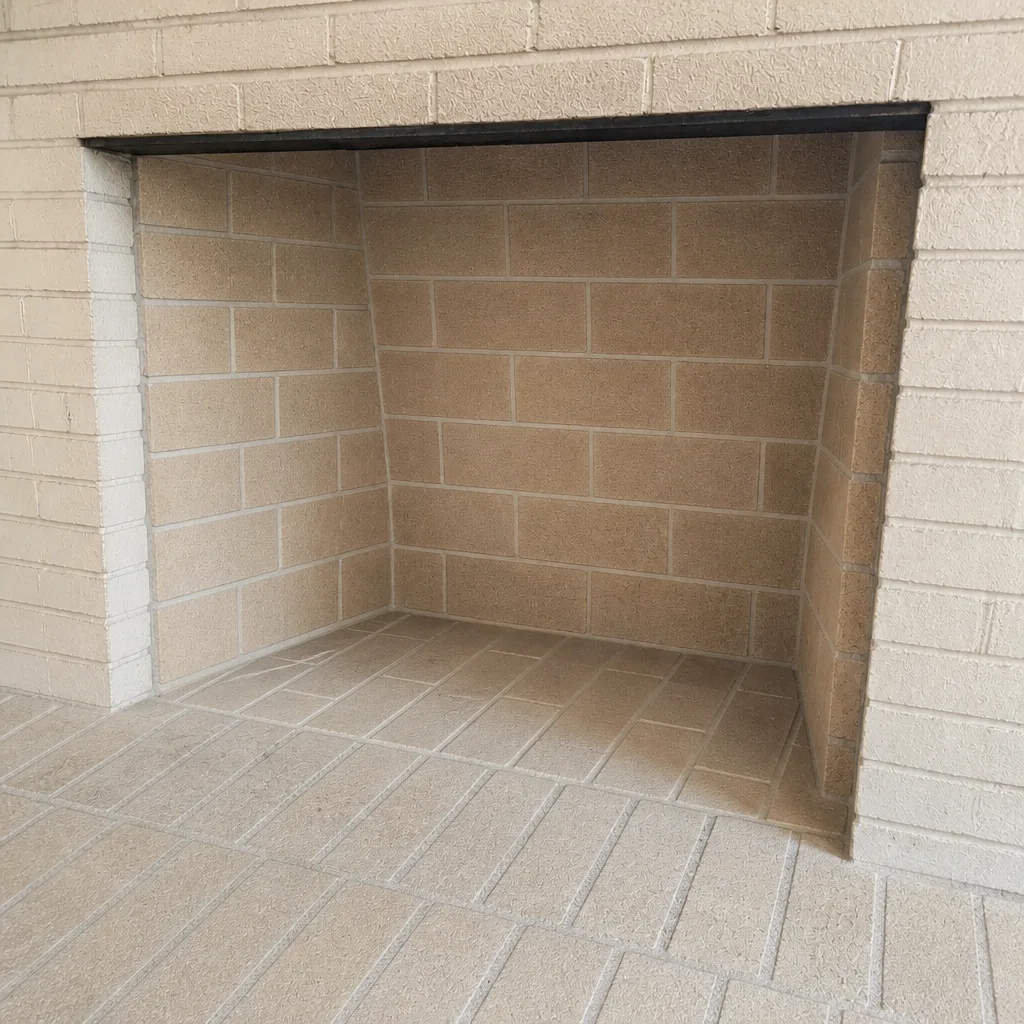
See the difference
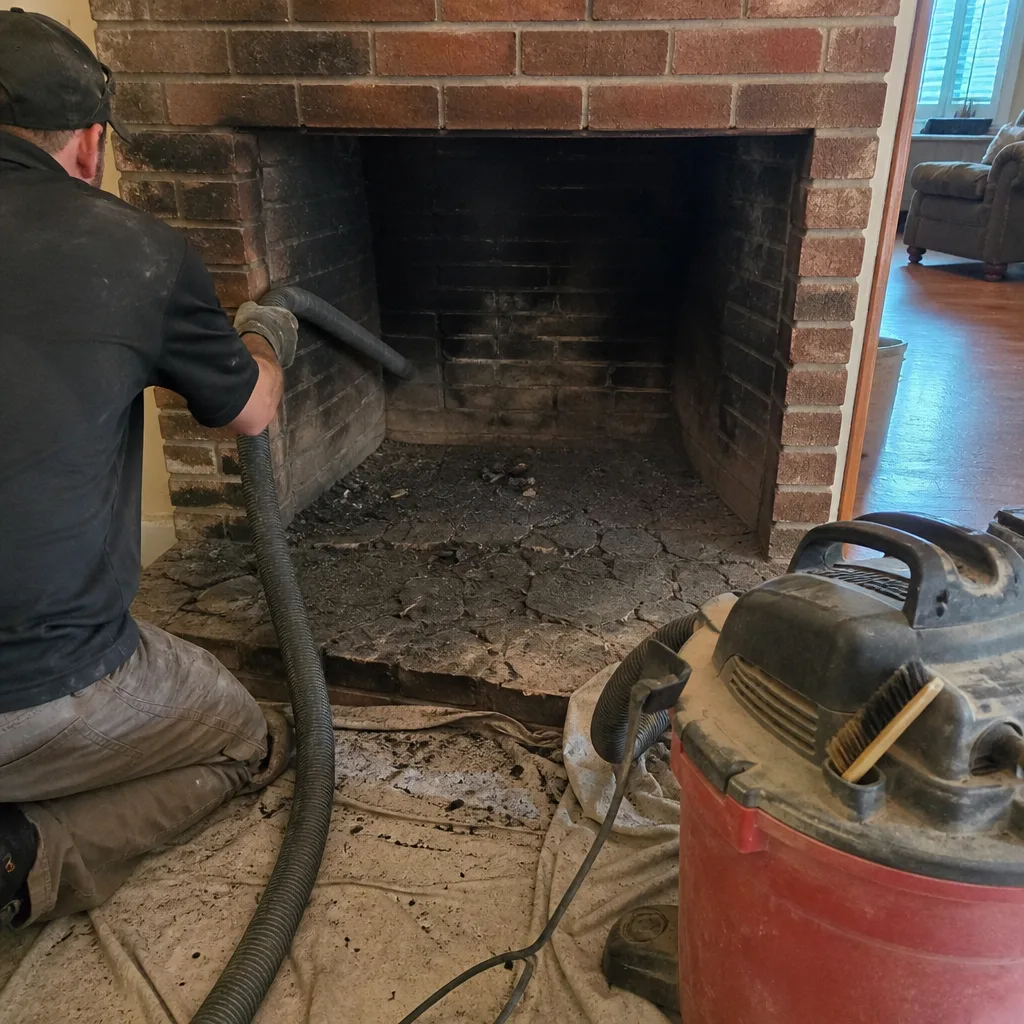 Before
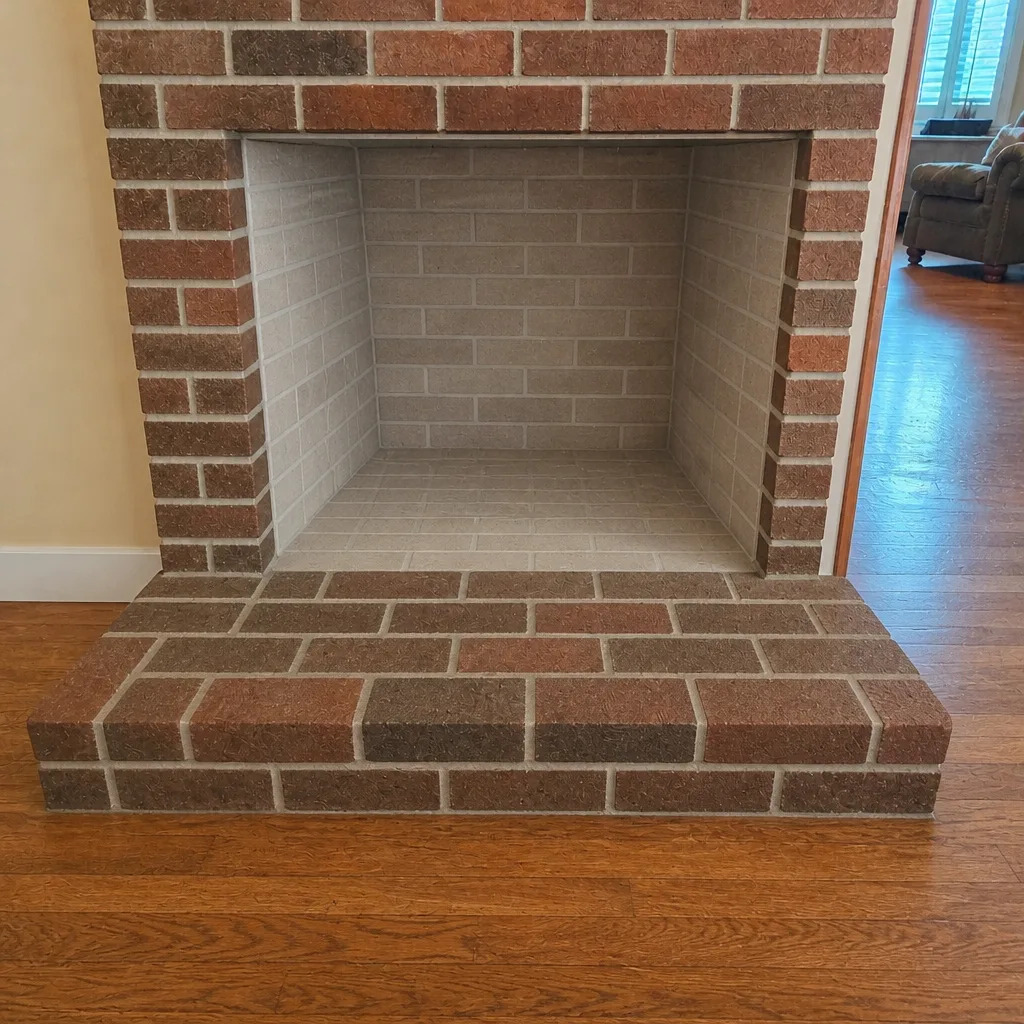 After
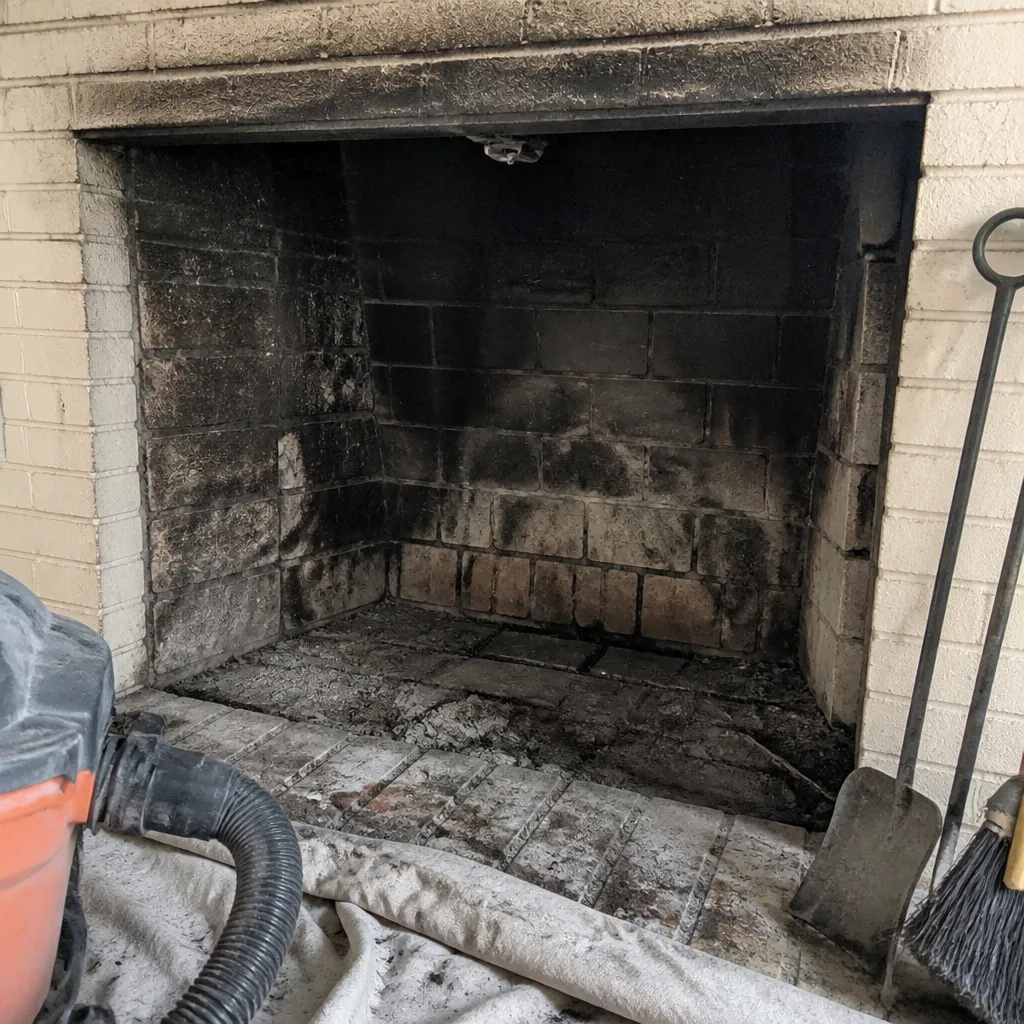 Before
 After
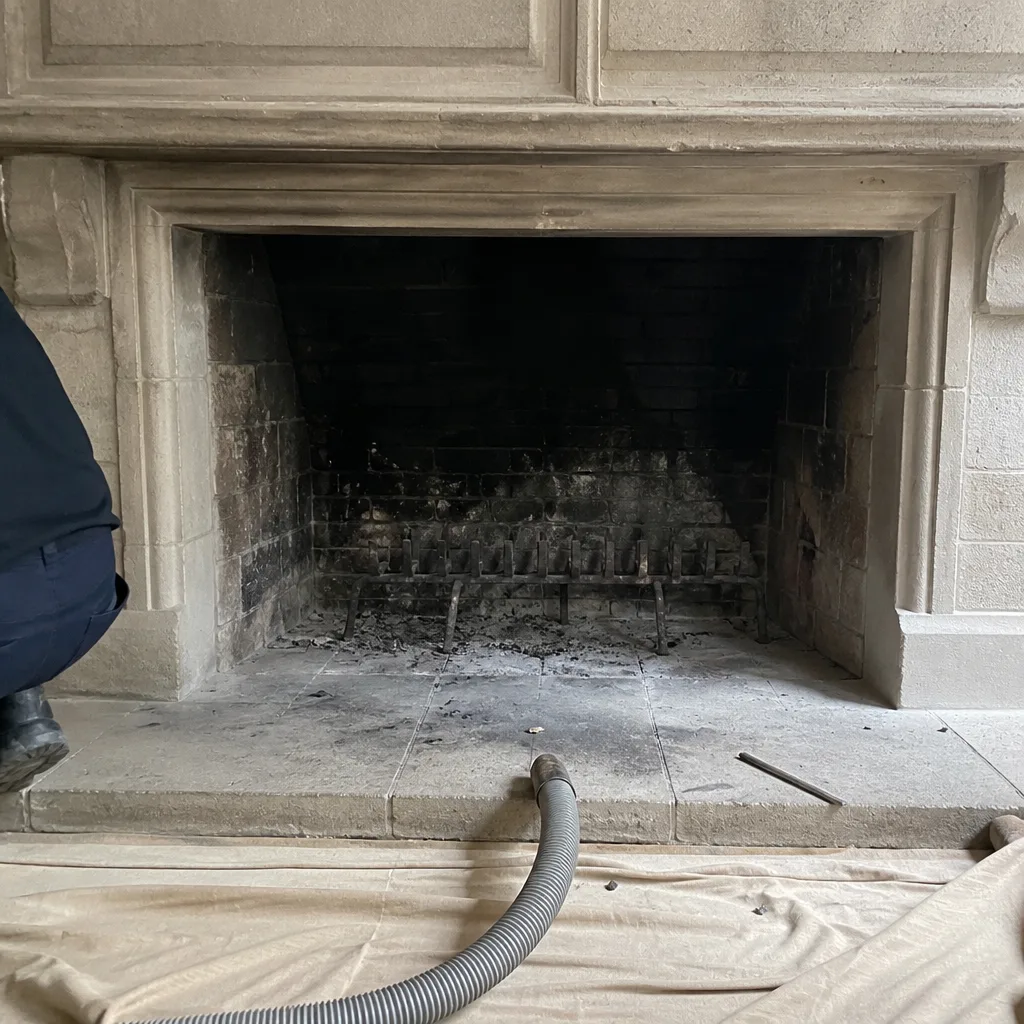 Before
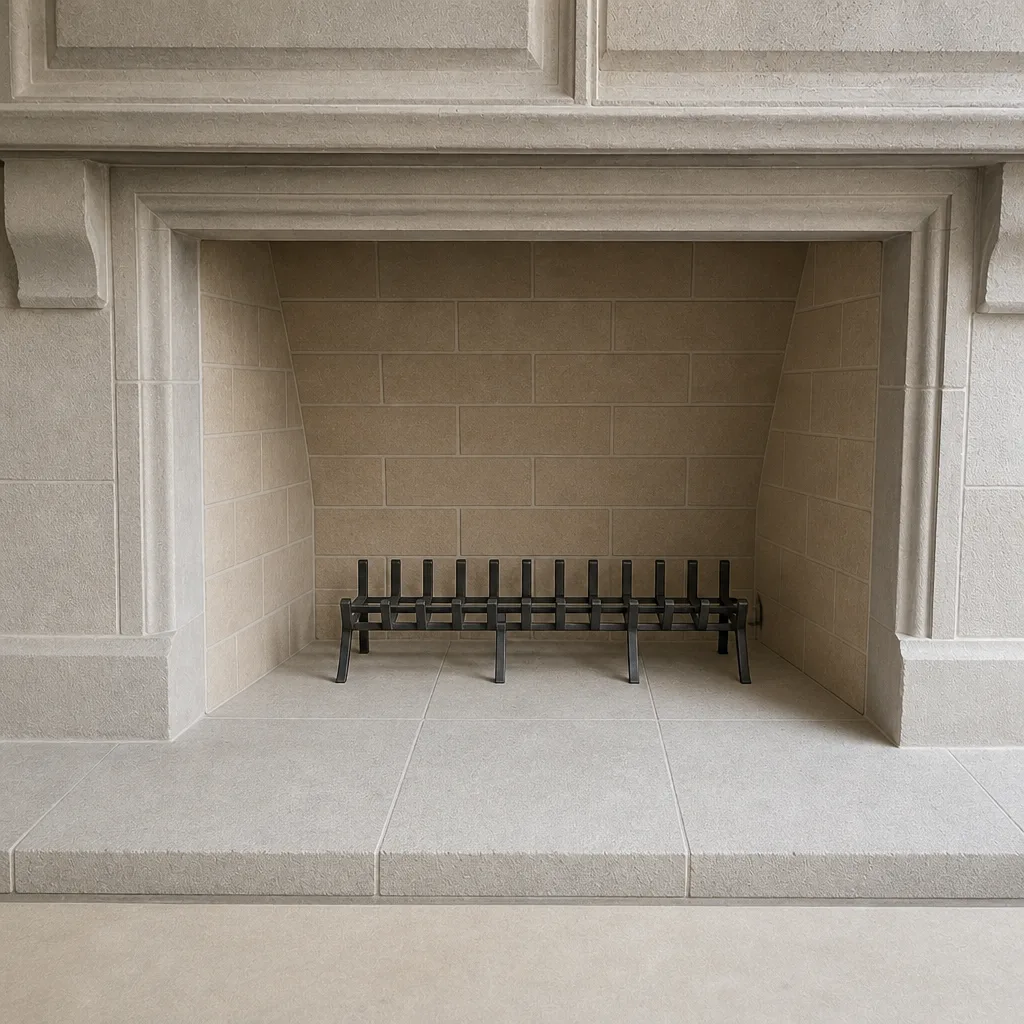 After
When to Call a Professional
Call a professional when the chimney has not been swept in a year of fireplace use, when you notice staining on the ceiling near the chimney, when the crown has visible cracks, when a cap has come loose or gone missing, or when you’re being told you need liner work and want a second inspection with camera evidence. Call before burning season begins so any needed repairs can be scheduled without pressure. Chimney Sweep Bluffview offers free estimates in Bluffview – call (866) 901-7504. We answer 24/7. Fast dispatch from 7am to 7pm, Sunday through Friday.
Frequently Asked Questions
They matter, because brush material, rod strength and liner chemistry affect how the flue is cleaned and how long the result lasts. A consumer-grade brush may leave bristles behind, and a rod that fails inside a flexible liner creates a retrieval problem far larger than the cleaning itself. Professional-trade brushes and rods are spec’d for repeated real-world use, which is why we stock and install professional-grade materials from established manufacturers rather than retail substitutes.
Ask what brands they use for liners, caps and sealants, and ask to see camera inspection footage of your own flue. A specialist will name the products and show you the evidence; a generalist with a home-center kit will usually answer vaguely. Ask also whether the estimate lists the specific products to be installed, since that paperwork is what makes future warranty conversations straightforward.
HeatShield resurfacing restores the interior of a flue that has cracks or surface deterioration, using a professional-grade material applied to the existing liner. It can be a cost-effective repair for the right flue because it avoids a full liner replacement. When the damage is more extensive, a flexible liner system like DuraFlex is the right choice, and we’ll tell you which one your chimney actually needs based on the inspection findings.
Professional-grade systems typically offer a warranty path that covers both the materials and the installation, with product identification in the paperwork. Retail-grade or unspecified materials lack that documentation, which means a warranty claim years later may depend on the contractor’s word. That’s why every estimate we write names the products by brand – so the record matches what actually went into your chimney.
A chimney specialist is the right choice for cap and crown work, because the fit to the specific flue dimensions and the sealant formulation are what determine how long the repair lasts. A general contractor with a hardware-store cap or generic masonry sealant tends to produce a repair that fails within a season. We install caps from Gelco and Famco sized to the flue, and we check the crown at the same time.
Yes, because the interior is where the risk accumulates. Creosote buildup, crown cracks and liner deterioration are not visible from the firebox, and they don’t announce themselves until the fireplace is in heavy use. An inspection with camera footage is how you confirm the chimney is actually safe to burn, and how you can tell whether any work can safely wait. Every job we do begins with one, so the recommendation comes from what we can see, not what we guess.
The Bottom Line
The brand behind the brush, rod, sealant and liner system matters more than most homeowners expect. Professional-trade materials behave differently from retail substitutes, and the difference shows up in how the work performs and how simple the warranty conversation is years later. If you take one thing away from this guide, take the three questions: what brands do you use, will I see the camera footage, and does the estimate name the products? For Bluffview homeowners, the right contractor is the one who answers all three clearly. Chimney Sweep Bluffview offers free estimates in Bluffview – call (866) 901-7504. We answer 24/7. Fast dispatch from 7am to 7pm, Sunday through Friday.
Written by the team at Chimney Sweep Bluffview.