
Last updated November 23, 2026
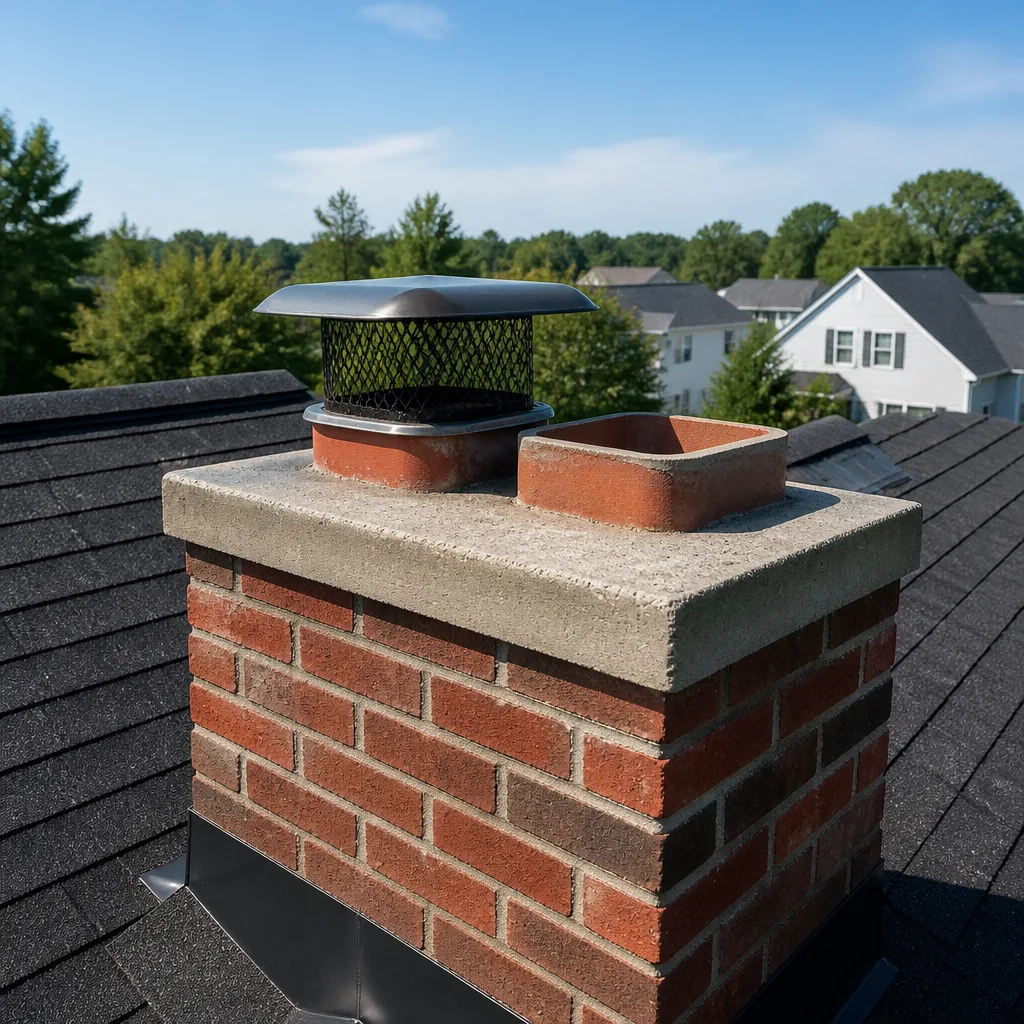 Sweep & inspection
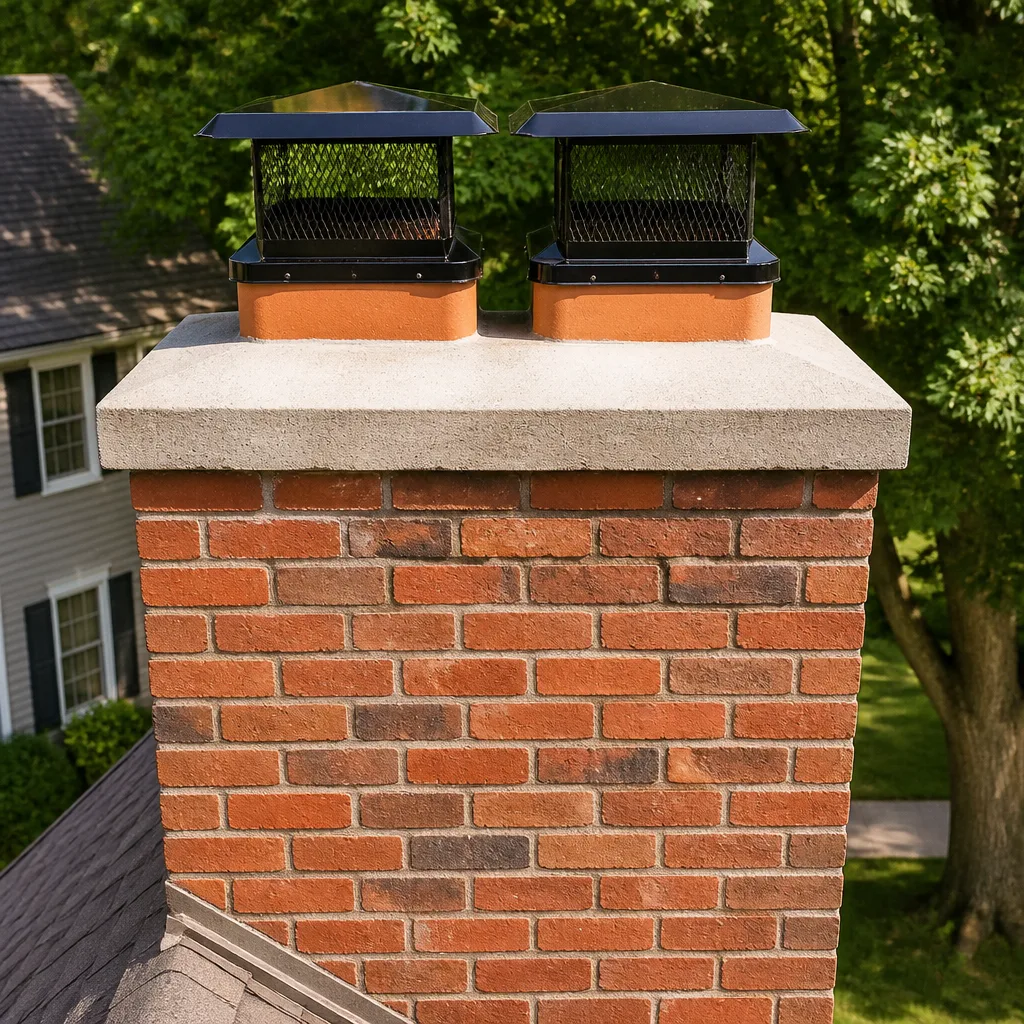 Caps & crowns
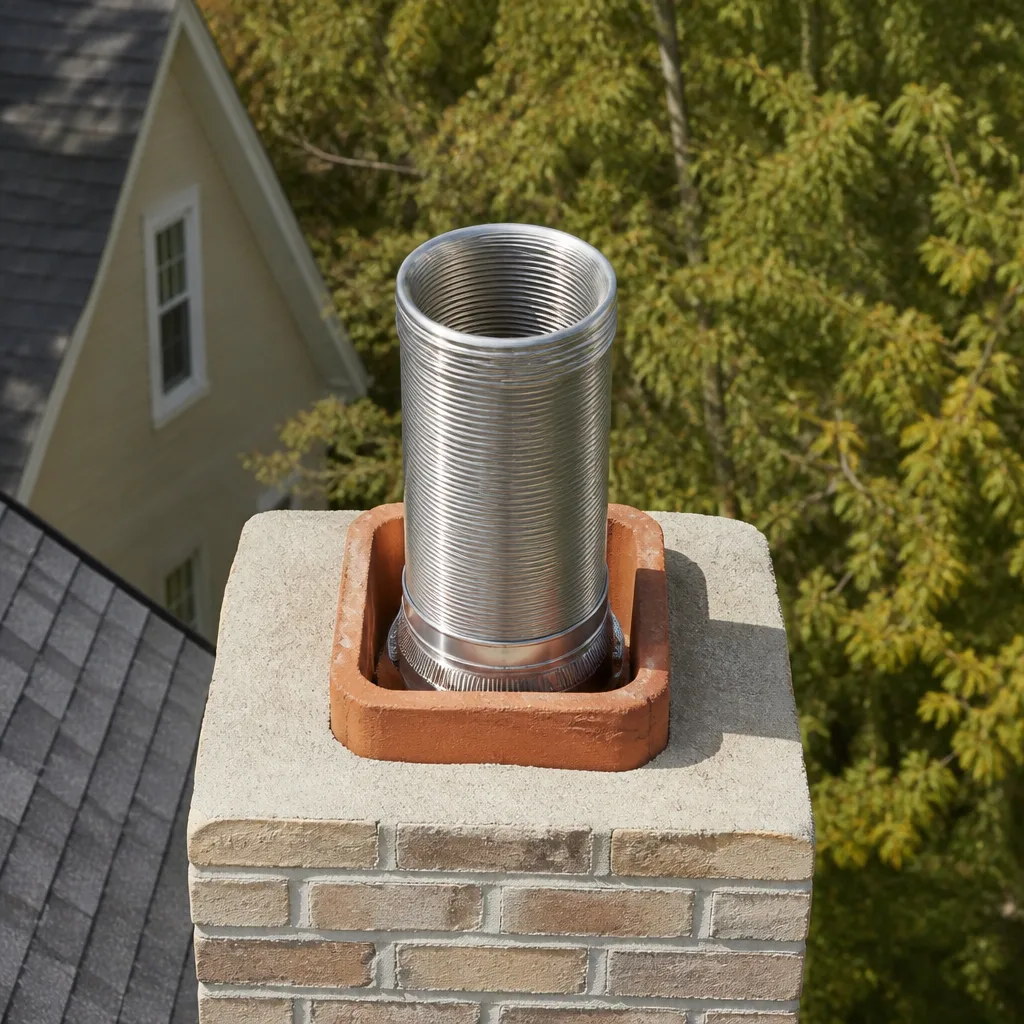 Flue relining
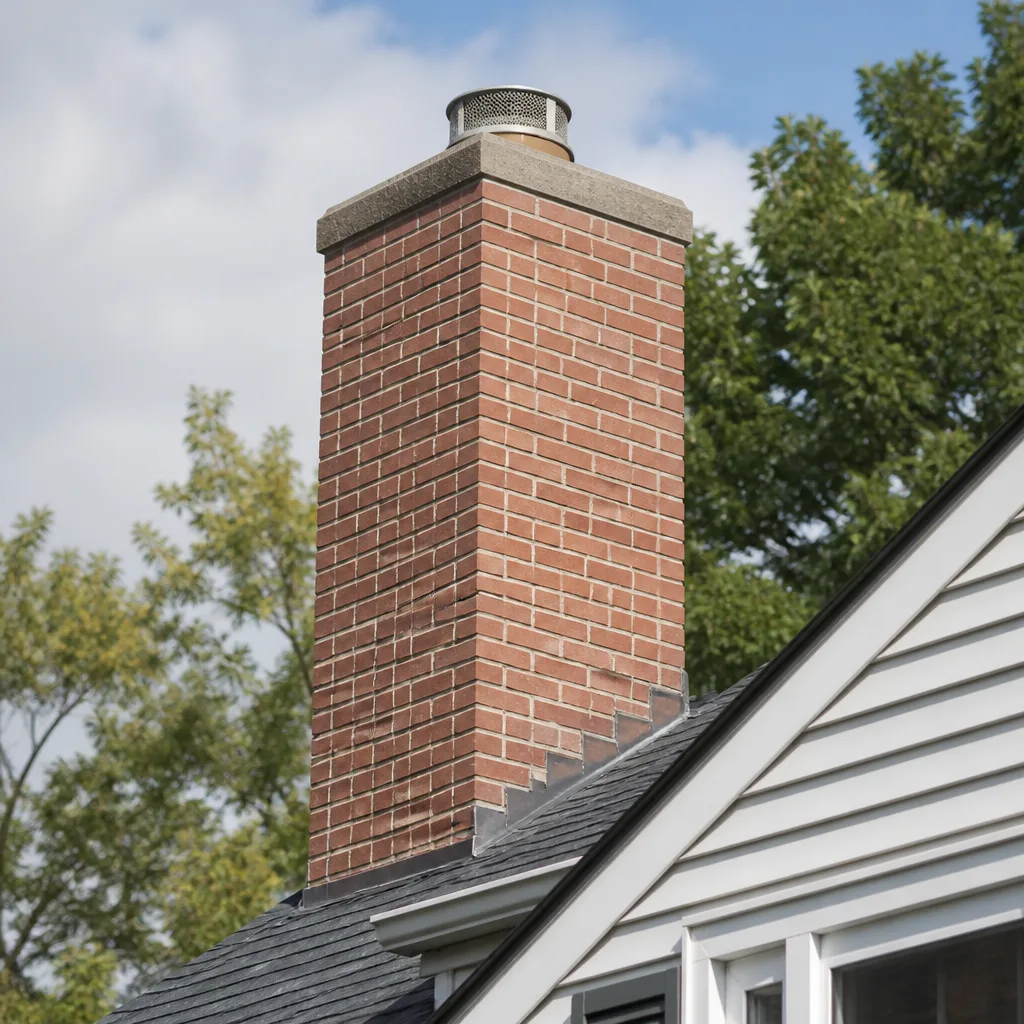 Masonry repair
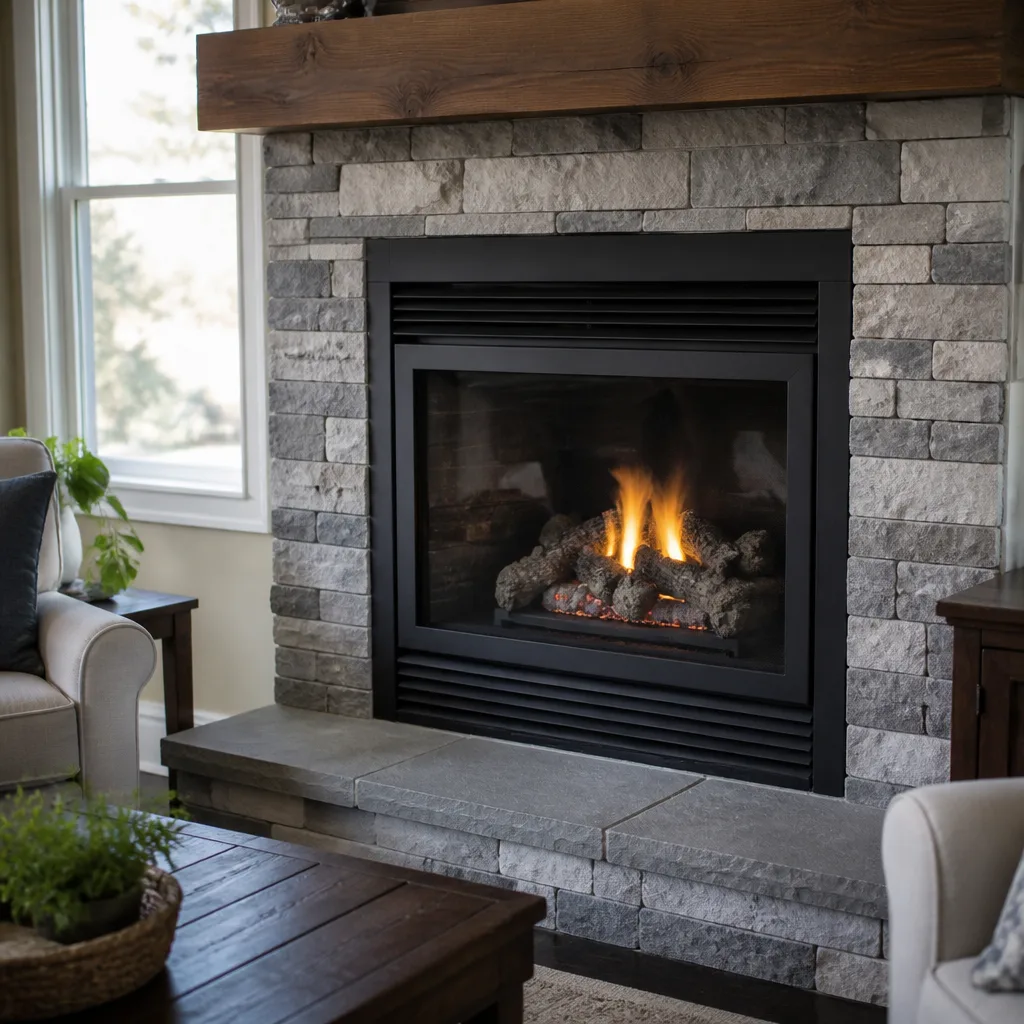 Gas fireplace service
Level 1 sweep and inspection to the NFPA 211 annual standard - flue, crown, cap, and flashing checked and photographed
Chimney sweep logs do not sweep chimneys. They loosen some creosote - which then falls where a brush and vacuum still have to collect it.
Chimney Sweep Troubleshooting in Bluffview: Common Problems and How to Fix Them
A smoky fireplace and a cold chimney cap can both get labeled “draft problems” by a homeowner searching for answers. The trouble is that they have completely opposite fixes. Treat one like the other and you throw money at a symptom while the real issue sits untouched for another season. In our experience around Bluffview, most of the problems people try to diagnose online are symptoms, not root causes. This guide teaches you to read what your chimney is actually telling you: which system a symptom points to, what a flashlight and mirror can confirm, what genuinely needs a camera inspection, and the three fixes that never solve the real problem.
Quick Answer
Most chimney problems in Bluffview fall into three buckets: airflow problems (smoke rolling back, a lazy fire, odor moving into the room), blockages (nests, soot buildup, a nest of debris on the smoke shelf), and structural problems (cracked mortar joints, a failing flue liner, a damaged crown). Airflow and blockage issues often start with a sweeping and a proper inspection. Structural issues point to liner repair or resurfacing, and the fix depends on what a camera inspection actually shows. Matching the symptom to the right system is what saves you from paying for the wrong repair.
Styles & brands we work with
- Sweep & inspection
- Caps & crowns
- Flue relining
- Masonry repair
- Gas fireplace service
Table of Contents
- How to read your chimney’s symptoms
- Smoke rolling back into the room: draft or blockage?
- A slow draw and a lazy fire
- Odor intrusion when the fireplace is cold
- Why Bluffview’s clay soil affects your chimney mortar
- Flashlight and mirror checks vs. camera inspection
- Three fixes that never solve the actual problem
- The troubleshooting decision tree
How to Read Your Chimney’s Symptoms
Start with the symptom, not the repair. A chimney is a system with a few distinct parts – the firebox, the smoke chamber, the flue, the crown, and the cap – and each part fails in its own way. When something is off, the symptom usually points at a specific system. Read the symptom first, then work backward to the part. That order keeps you from buying a product that fixes a problem you don’t have.
Here’s the symptom-to-system map we use when a Bluffview homeowner describes what’s happening:
- Smoke rolling back into the room – usually a pressure or draft issue, or a blockage near the top of the flue. Sometimes it’s a firebox that’s too shallow for the opening.
- A lazy, slow-drawing fire – often a flue that’s too small for the firebox, cold flue temperatures, or a partially blocked flue.
- Odor in the room when the fireplace is cold – typically a downdraft pulling soot smell back down, or moisture reacting with creosote and ash residue.
- Water stains on the ceiling or firebox – a crown or cap problem letting water in, which over time damages the liner and the masonry.
- Crumbs of mortar on the smoke shelf or firebox floor – failing mortar joints or a deteriorating flue liner, often a structural issue rather than a draft issue.
- A white, chalky crust on exterior brick – moisture moving through the masonry, usually traced to a failed crown, cap, or flashing.
Each of those symptoms has a different fix, and a couple of them get misdiagnosed constantly. A smoky fireplace gets blamed on a “bad draft” when the flue is actually blocked. A cold cap gets blamed on the cap when the firebox is starving for combustion air. Reading the symptom correctly in Bluffview is the whole game.
Smoke Rolling Back Into the Room: Draft or Blockage?
Smoke coming into the room instead of going up the flue is the symptom most likely to get blamed on the wrong cause. It can be a genuine draft problem, a blockage, or a house-pressure problem, and each one has a different fix. Before you spend money on a draft solution, rule out a blockage. A blocked flue and a weak draft behave similarly at the firebox – smoke comes out instead of going up – but they’re opposites to fix.
Here’s how the two actually differ:
- A draft problem means the flue is open but not pulling. The firebox is starving for combustion air, the flue is too cold, the chimney is on the wrong side of the house relative to prevailing wind, or a tight modern house is pulling air down the flue instead of up it. The fix is usually about air supply, flue temperature, or a properly sized flue – sometimes a top-sealing damper or a different cap that doesn’t restrict flow.
- A blockage means the flue is actually obstructed. A bird or squirrel nest, a fallen cap, a heavy creosote load, or a collapsed liner section will all choke the flow. The fix is a sweep and, if needed, liner repair. No amount of draft adjustment helps a flue that’s blocked.
One quick clue: if the fireplace smokes mostly on windy days and drafts fine otherwise, that leans toward a pressure or cap issue. If it smokes every single time, that leans toward a blockage or a flue sizing problem. Either way, don’t guess past the visual checks – the inspection tells you which one you’re actually dealing with. A chimney sweep removes the blockage question entirely, so it’s the natural first step when a Bluffview fireplace smokes on every fire.
A Slow Draw and a Lazy Fire
A fire that lights fine but never really takes off usually has a flue issue, not a wood issue. If your fire smolders, the logs blacken instead of burning clean, and smoke drifts up lazily with no urgency, the flue isn’t pulling properly. That’s different from backdraft – the smoke isn’t coming into the room, it’s just crawling up the flue too slowly to keep the fire burning clean.
The most common causes of a slow draw:
- The flue is too large for the firebox opening. An oversized flue cools too fast, and cool flue gas doesn’t rise. That’s a sizing and design problem, fixed by a properly sized flue or a liner sized to the firebox opening.
- The flue is partially blocked. Even a modest creosote load narrows the flue and slows the draw. This is one of the simplest fixes a sweep can make.
- The firebox is starving for combustion air. Tight homes in Bluffview with high-efficiency envelopes can pull combustion air up the flue and out of the room, which kills the draw. A correctly sized air supply fixes it.
- The cap is restricting flow. A cheap cap with too little open area or a poorly fitted cap will slow a fire noticeably. A properly fitted cap from a trade line like Gelco opens up the draw without letting weather or animals in.
- A damaged liner is creating turbulence or restriction. Cracked tiles or a collapsed section of liner changes flow. DuraFlex flexible liners are what we install when the existing flue can’t be cleaned or relined in place.
The lazy fire is worth fixing because a slow draw bathes the flue in cooler smoke, which lays down more creosote. That creosote is fuel, and the next section on odor ties into it directly.
Odor Intrusion When the Fireplace Is Cold
That smoky, sour, campfire smell that shows up on warmer days when the fireplace is cold is the symptom homeowners ask about most. It’s almost never a “dirty chimney” in the sense of heavy soot – it’s a downdraft carrying stale combustion residue back down the flue. The cold flue has no upward draft, the house has a slight negative pressure pulling air down the chimney, and the smell of creosote and ash finds its way into the room.
What usually contributes to it:
- A cold flue in mild weather. Cold air is heavier than warm air and falls down the flue when the fire isn’t lit. That’s why the smell shows up when the fireplace is off and the house is warm.
- Moisture meeting creosote residue. Even a thin creosote film smells stronger when humidity is high, and the residue keeps releasing odor as it warms and cools.
- A top-sealing damper or a properly fitted cap that closes the top of the flue. The right cap and damper combination blocks the downdraft path and the smell with it. A decorative cap that doesn’t seal does nothing for odor.
- A negative-pressure house. Bathroom fans, kitchen exhaust, and high-efficiency HVAC systems all pull air, and one path for that air is down the chimney. If the odor only appears when certain appliances run, that’s your answer.
The real fix is a properly swept flue, a cap or top-sealing damper that shuts off the smoke path, and a look at the combustion air supply. A sweeping also removes the fuel load that sits behind the smell, and that’s worth doing before burning season begins. Treating the smell as a symptom of downdraft rather than dirt gets you to the right fix faster.
Why Bluffview’s Clay Soil Affects Your Chimney Mortar
This is the piece most troubleshooting guides skip. Bluffview sits on expansive clay soil, and that soil moves. It swells when wet and shrinks when dry, and it moves a house slightly and continuously through the seasons. A chimney is a heavy masonry column with a lot of surface area and a footing that barely extends past the outside face. When the soil moves around that footing, the chimney moves with it – just enough to crack the mortar joints between the brick or block.
Those cracks matter because they’re what homeowners mistake for a flue issue. Here’s what actually happens:
- Clay soil movement opens hairline cracks in the exterior mortar joints.
- Water gets into the masonry through those cracks, especially during Bluffview’s wet stretches.
- Water and the freeze-thaw cycles are not the problem here – the wet-dry cycle alone works the mortar loose, and water moves down through the masonry during rain.
- Crumbs of mortar fall onto the smoke shelf and firebox floor.
- Homeowners see the crumbs and assume the flue is failing or the chimney needs a full rebuild.
In our experience, a lot of Bluffview chimneys don’t need a rebuild at all. They need the failing mortar joints repointed and the crown inspected so water stops getting in. The fix is masonry work, not flue work, and that’s a very different repair conversation.
Flashlight and Mirror Checks vs. Camera Inspection
There’s a real place for a homeowner’s flashlight and mirror, and a real limit to what it can show you. Getting that boundary right saves you both money and false comfort. A flashlight and mirror will show you the firebox, the smoke shelf, the damper, and the first portion of the flue – plenty to spot a severely blocked flue, a heavy soot load, a crumbling smoke shelf, or a misaligned damper. It will not show you a cracked liner behind a bend, a damaged flue further up, a missing section of tile above the roofline, or the condition of the crown and cap from above.
Here’s when each one makes sense:
- Use a flashlight and mirror when the fire has just started smoking badly and you want a fast read on whether the damper is closed, the flue is blocked right at the top, or the smoke shelf is packed with debris.
- Skip the DIY check when you smell gas, see a crack in the firebox brick that you can catch a fingernail in, have water stains on the ceiling, or see a broken or missing cap. Those point to issues that need eyes from the roof and a proper liner assessment.
- Get a camera inspection when symptoms have been persistent for a season, when you’re buying a house with a chimney, when you’re switching to a new fuel type, or when a visual check turned up anything questionable at the flue top.
A proper chimney inspection uses a camera that runs the length of the flue, so you see the liner and the flue condition for yourself. That matters because the repair you’re being quoted on is the liner or the crown, and you should be able to see the problem in an image rather than take it on faith.
Three Fixes That Never Solve the Actual Problem
Some fixes stay popular because they’re cheap and easy, and not because they work. Here are the three we see most often in Bluffview, and what they actually do:
- Re-lighting technique. Homeowners get told to “light a rolled newspaper near the damper to warm the flue” or “prime the flue” before lighting the fire. It does help a cold flue on a shoulder-season day – but it doesn’t touch a blockage, a failed liner, an oversized flue, or a starving firebox. If you need to prime the flue on every single fire, you have a real problem, and the newspaper habit is just masking it.
- Chimney balloons. An inflatable balloon that jams into the flue to stop drafts and odor does block the flue when fully inflated. It doesn’t fix the reason the draft is coming down – cold flue, negative house pressure, missing cap or damper – and it can be left in place accidentally when you light a fire. The right fix is a top-sealing damper or a properly fitted cap that closes the flue from the top, not a balloon you have to remember to pull.
- Decorative caps placed on a cracked crown. A shiny new cap placed over a crown that’s already cracked does not stop the water. It hides the crack from view, water keeps moving through the crown into the masonry, and the mortar joints keep failing. The crown is a structural cap on the chimney top, and if it’s cracked, it needs resurfacing or rebuilding, not a decorative lid on top of it.
None of those three is dangerous in itself, but each one delays the real fix. The cost of that delay is a bigger structural repair – a liner that’s now cracked through, a crown that’s now failed entirely, a mortar joint that’s now a rebuild.
The Troubleshooting Decision Tree for Bluffview Homeowners
This is the order we recommend working through when something is off. You don’t need to do the work yourself – you just need to be able to describe the symptom accurately and know when to stop guessing.
- Describe the symptom in one sentence. “Smoke comes into the room on every fire.” “The fire won’t take off.” “There’s a smell when the fireplace is off.” “There’s water on the ceiling.” One sentence, specific to what you actually see.
- Note when it happens. Every fire, or only on windy days? Only when the kitchen fan runs? Only in warm weather? The pattern narrows the cause faster than any product can.
- Do the safe flashlight check. Damper open, smoke shelf clear, no visible firebox crack you can catch a fingernail in. Do not reach into the flue with a tool, and don’t try to dislodge a blockage from below – that’s how people get hurt.
- Document what you found. A photo of the firebox, the smoke shelf, the damper, and the exterior crown and cap from ground level. These help at the repair conversation.
- Match the pattern to the symptom-to-system map. Backdraft, slow draw, odor, and mortar crumbs point to four different systems.
- Book the inspection. When the pattern points to a blockage, a liner, a crown, or anything you couldn’t see clearly from below, a proper inspection with a camera answers the rest.
- Get a written scope before any work. The repair should describe the actual part being fixed – crown, cap, liner, mortar joint – not a generic “chimney repair.”
That sequence is worth following in Bluffview because the soil movement and the age of the housing stock mean a lot of chimneys show more than one problem at once. A crack in the crown and a slow draw can both be true, and the repair conversation should separate them.
Common Mistakes to Avoid
- Treating every smoky fire as a draft problem. A smoky fire can be a blocked flue, a house-pressure problem, or a firebox-to-flue sizing mismatch – and each fix is different. Start with the flashlight check and the pattern, not a gadget.
- Buying a decorative cap to fix water intrusion. A cap stops rain from entering the top of the flue when it’s fitted correctly. It does nothing for a cracked crown or failed flashing. Water getting into the masonry needs a crown and flashing inspection, not a lid.
- Ignoring mortar crumbs on the firebox floor. In Bluffview, crumbs are usually the first visible sign of clay-soil movement opening the exterior joints. Catching them early means repointing, not rebuilding.
- Skipping the annual sweep because the fire burned “clean.” A clean-burning fire still lays down creosote over a season. A blocked or narrowed flue from creosote is one of the top causes of a slow draw, and a sweep solves it.
- Reach into the flue to clear a nest or debris. Debris on the smoke shelf or in the flue can be wedged, and reaching in from below is how homeowners get hurt or crack a tile. Leave the flue clearing to a technician.
- Letting a “repair” quote stay vague. If the written scope only says “chimney repair,” ask which part is being fixed. Crown, cap, liner, and mortar are four different jobs at four different price points.
- Putting off the inspection until burn season. Bluffview summers are long, and a chimney inspection in the shoulder season gives you time to make the repair properly instead of rushing it before the first cool night.
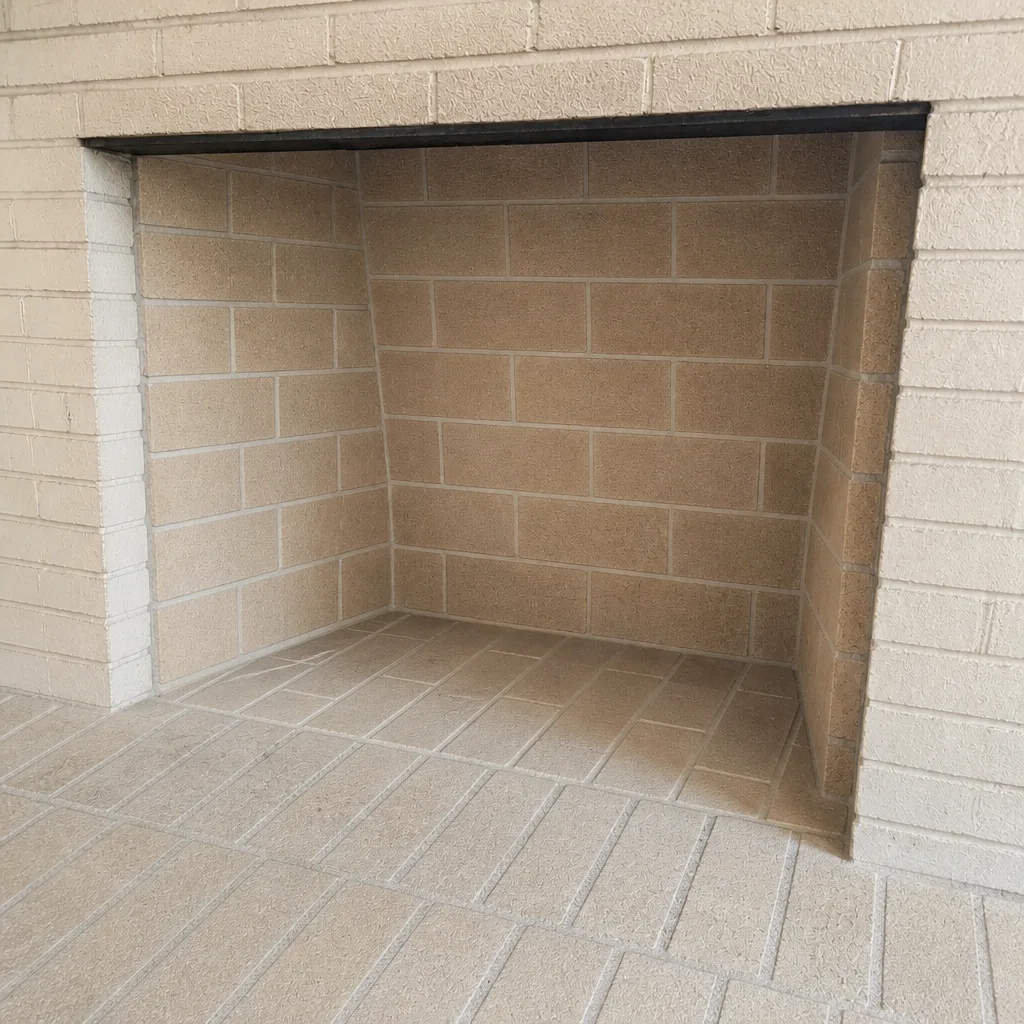
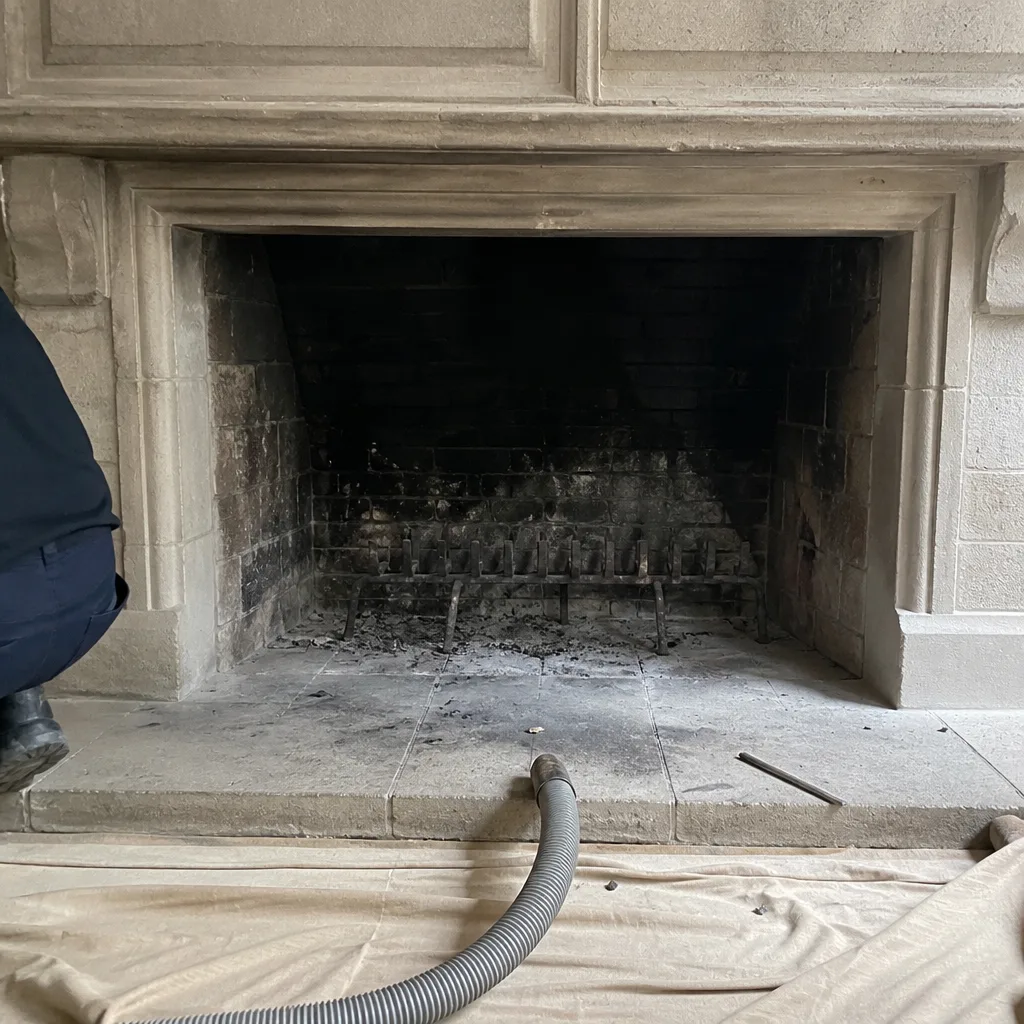
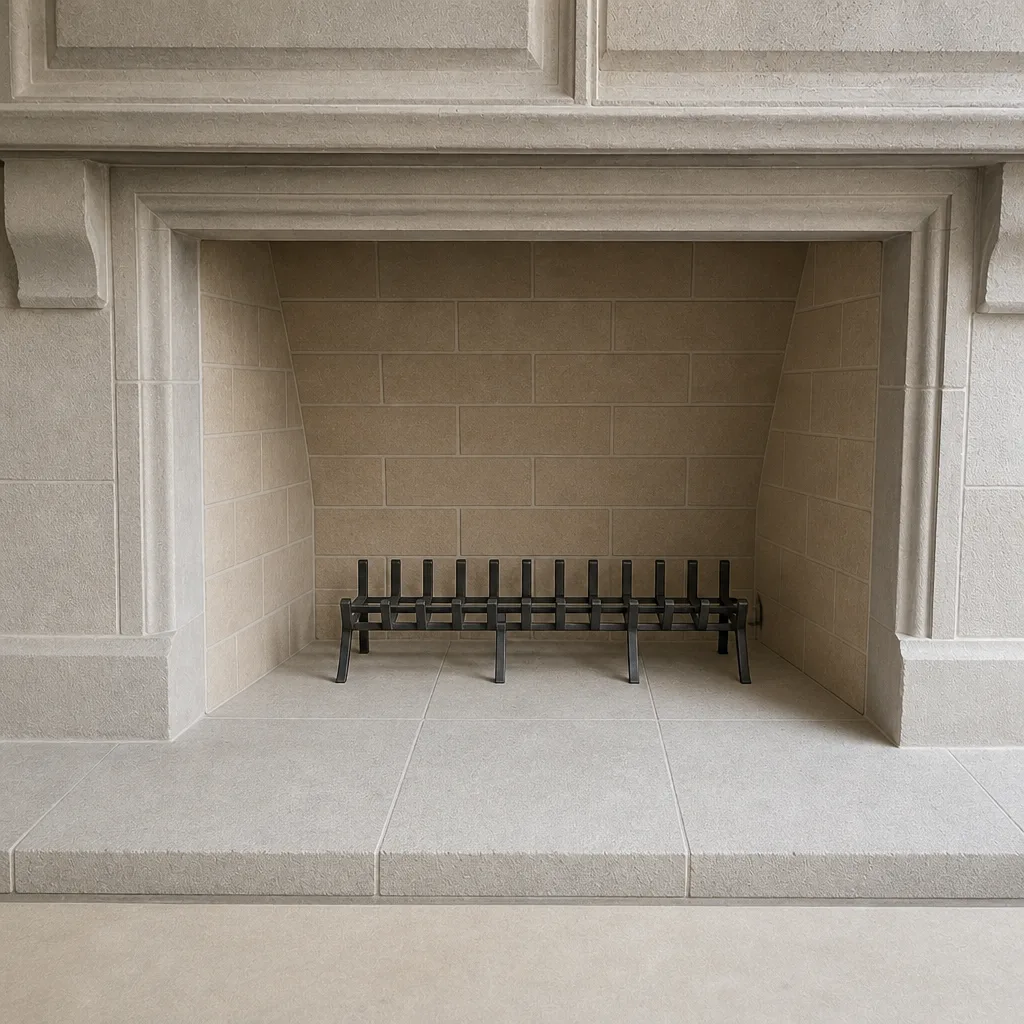
See the difference
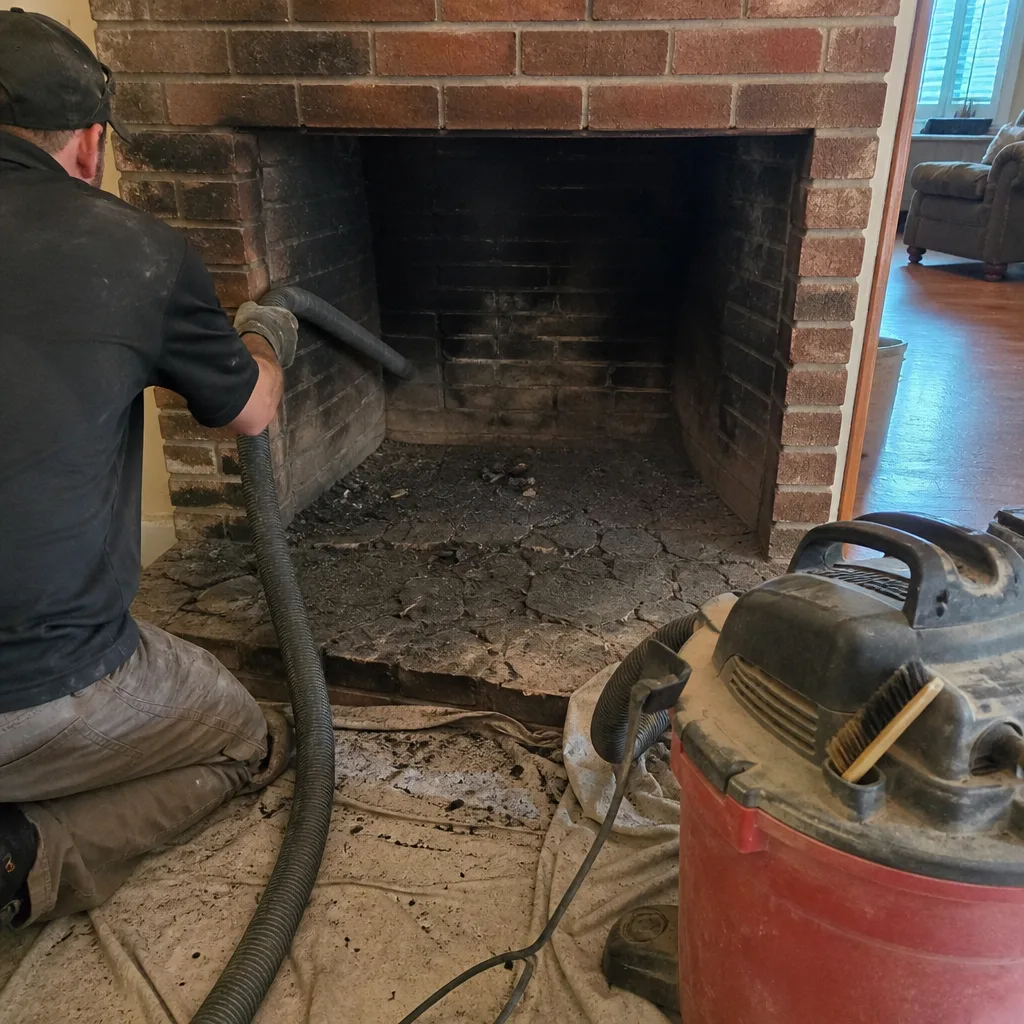 Before
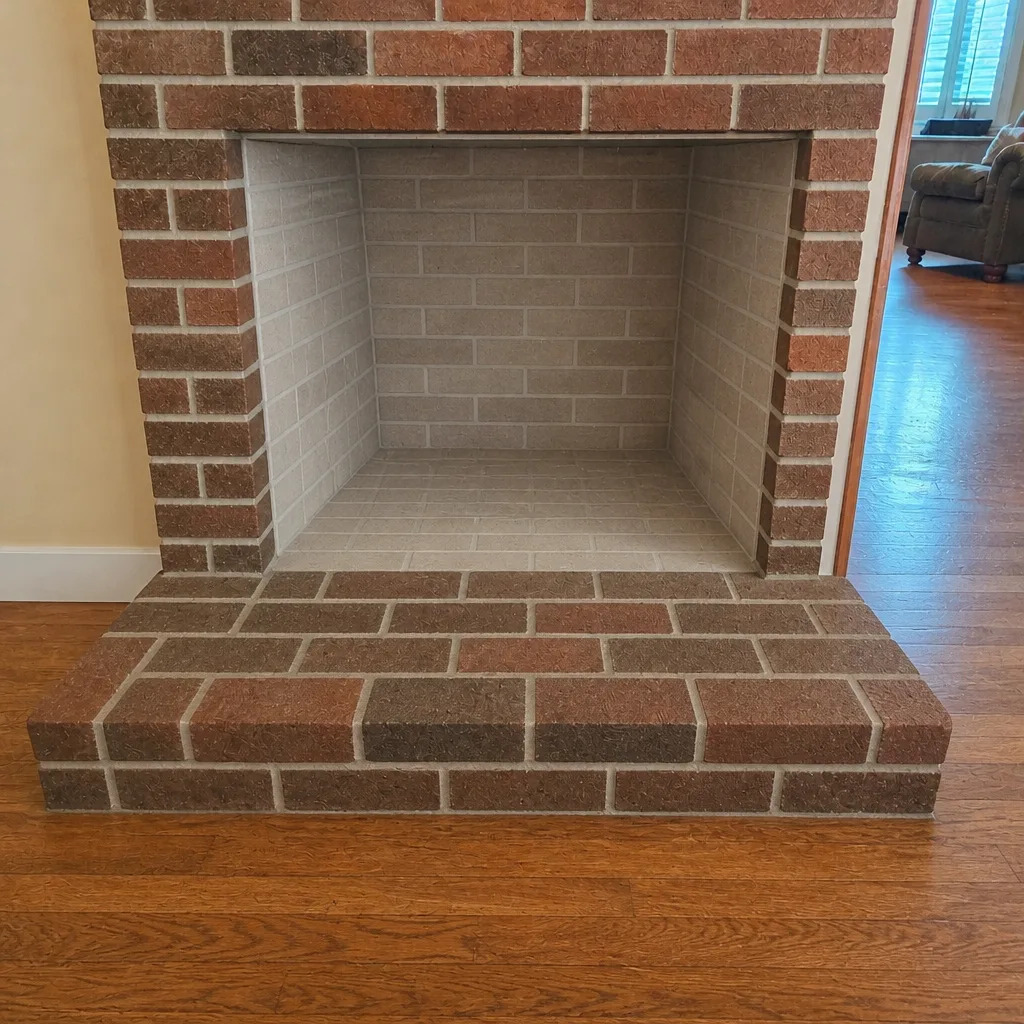 After
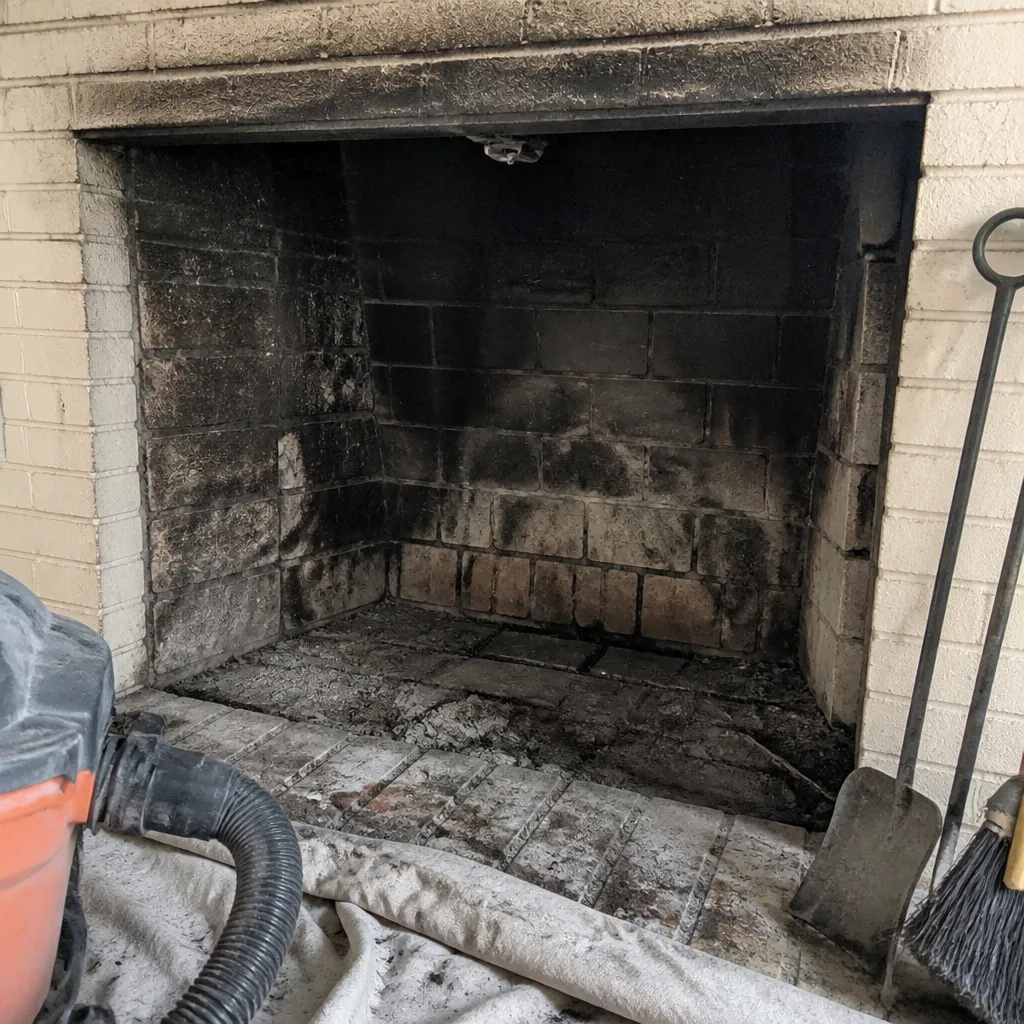 Before
 After
 Before
 After
When to Call a Professional
Call a professional when the symptom is persistent rather than situational, when the firebox shows any crack you can catch a fingernail in, when water is reaching the ceiling or the masonry, when you can’t see the flue top clearly, or when the pattern points to a liner or a crown. Those are the cases where a camera inspection and a proper scoped estimate are worth more than another round of guesses. A trained technician will run the camera, show you the flue condition, and explain which of the possible fixes actually applies. Chimney Sweep Bluffview offers free estimates in Bluffview – call (866) 901-7504. We answer 24/7. Fast dispatch from 7am to 7pm, Sunday through Friday.
Frequently Asked Questions
Intermittent smoke usually points to a pressure or draft problem rather than a blockage – the flue and firebox are fine on calm days but lose the draft when wind pressure, a kitchen fan, or a tight house pulls air the wrong way. Note when it happens: windy days, kitchen fan on, warm weather only, or every fire. That pattern tells us which system to check first.
A flashlight and mirror will confirm or rule out a blockage at the damper and the top of the smoke shelf, but they can’t see the full flue. If the smoke shelf is clear and the fire still smokes every time, assume a blockage or liner issue and get an inspection before buying a draft product. If it smokes only under certain conditions, treat it as a draft or pressure issue first.
Sometimes, but in Bluffview they’re more often a sign of clay-soil movement opening the exterior mortar joints, not a failing flue. The crumbs are the mortar that fell in. A chimney inspection with a camera shows whether the flue itself is sound and whether the failing joints are on the exterior masonry, which is repaired by repointing, not by relining.
No. A chimney balloon blocks the flue when inflated, but it doesn’t fix the reason the draft is coming down, and it can be left in place accidentally when you light a fire. A properly fitted cap from Gelco or a top-sealing damper closes the flue from the top and does the job permanently, without a balloon to remember.
Get the camera inspection when symptoms have been persistent for a season, when you’re buying the house, or when a flashlight check turned up anything questionable at the flue top. A camera shows the liner and flue condition so you see the problem for yourself, and that’s the difference between a scoped estimate and a guess.
A properly fitted cap does help with the smell by blocking the downdraft path, but only when it’s installed correctly and combined with a swept flue and, where appropriate, a top-sealing damper. A decorative cap won’t help, and a cap alone won’t fix a negative-pressure house. The full fix is usually the cap, the damper, and a sweep together.
The Bottom Line
Your chimney is telling you what’s wrong, and the skill is reading the symptom correctly. Smoke into the room, a lazy fire, odor when the fireplace is cold, water on the ceiling, and mortar crumbs on the firebox floor all point at different systems – draft, blockage, liner, crown, or masonry. The three popular fixes that don’t work (re-lighting technique, chimney balloons, decorative caps over a cracked crown) each delay the real repair. A flashlight confirms or rules out the simple stuff. A camera inspection answers the rest. Call (866) 901-7504 for a free estimate. We answer 24/7. Fast dispatch from 7am to 7pm, Sunday through Friday.
Written by the team at Chimney Sweep Bluffview.