
Last updated November 23, 2026
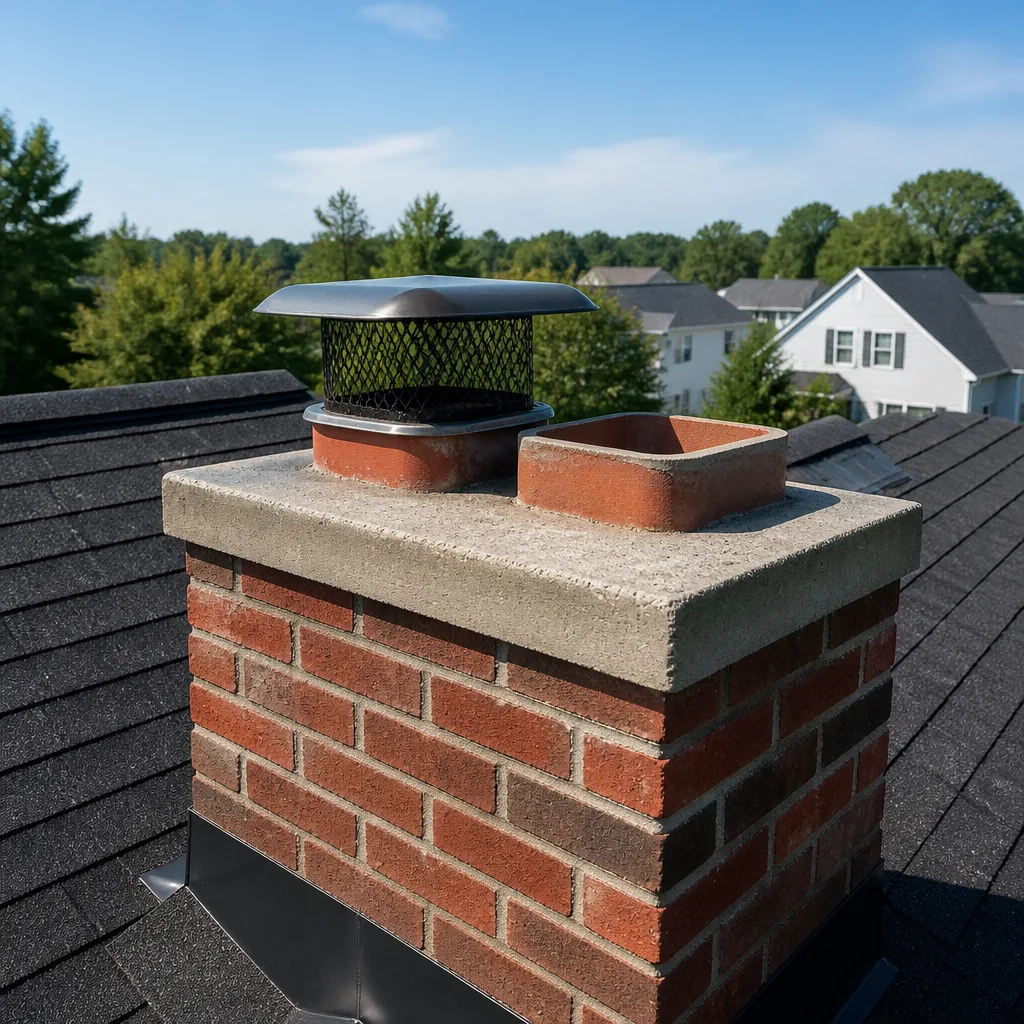 Sweep & inspection
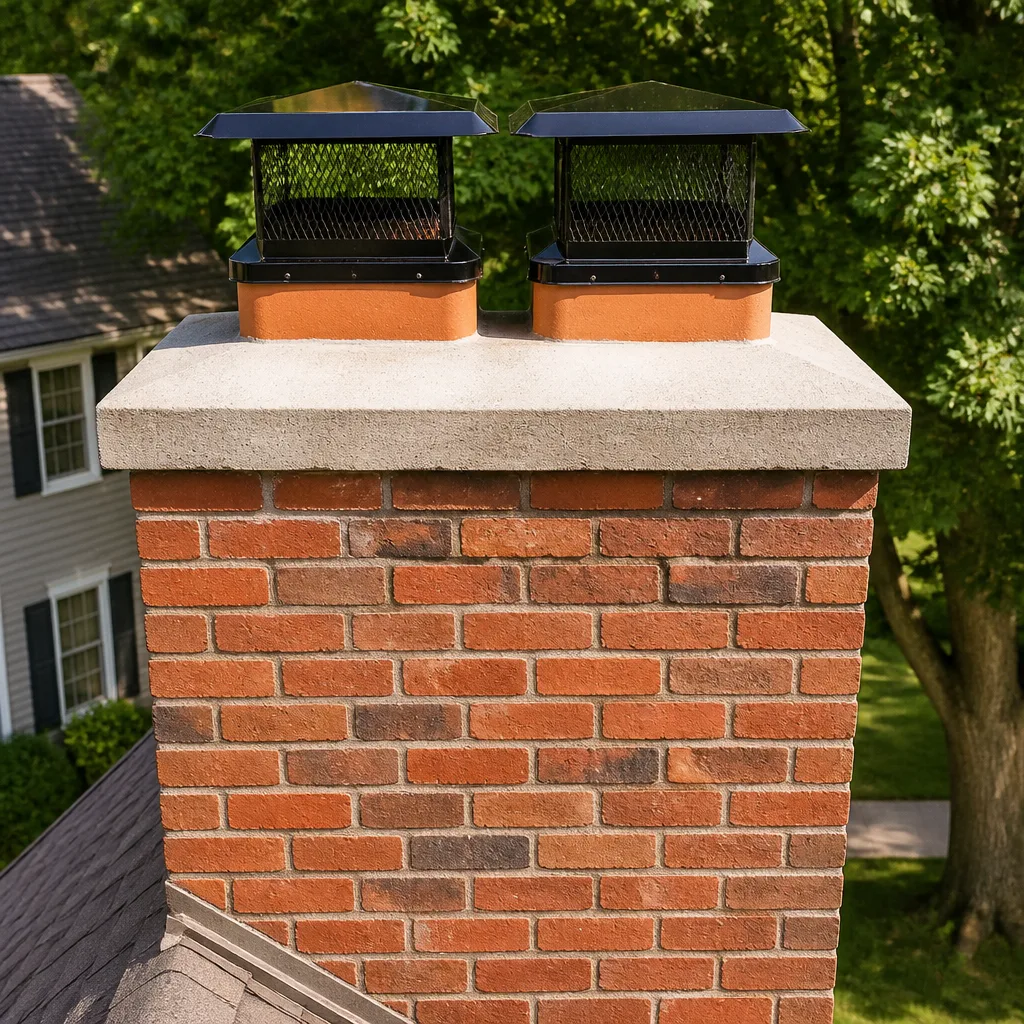 Caps & crowns
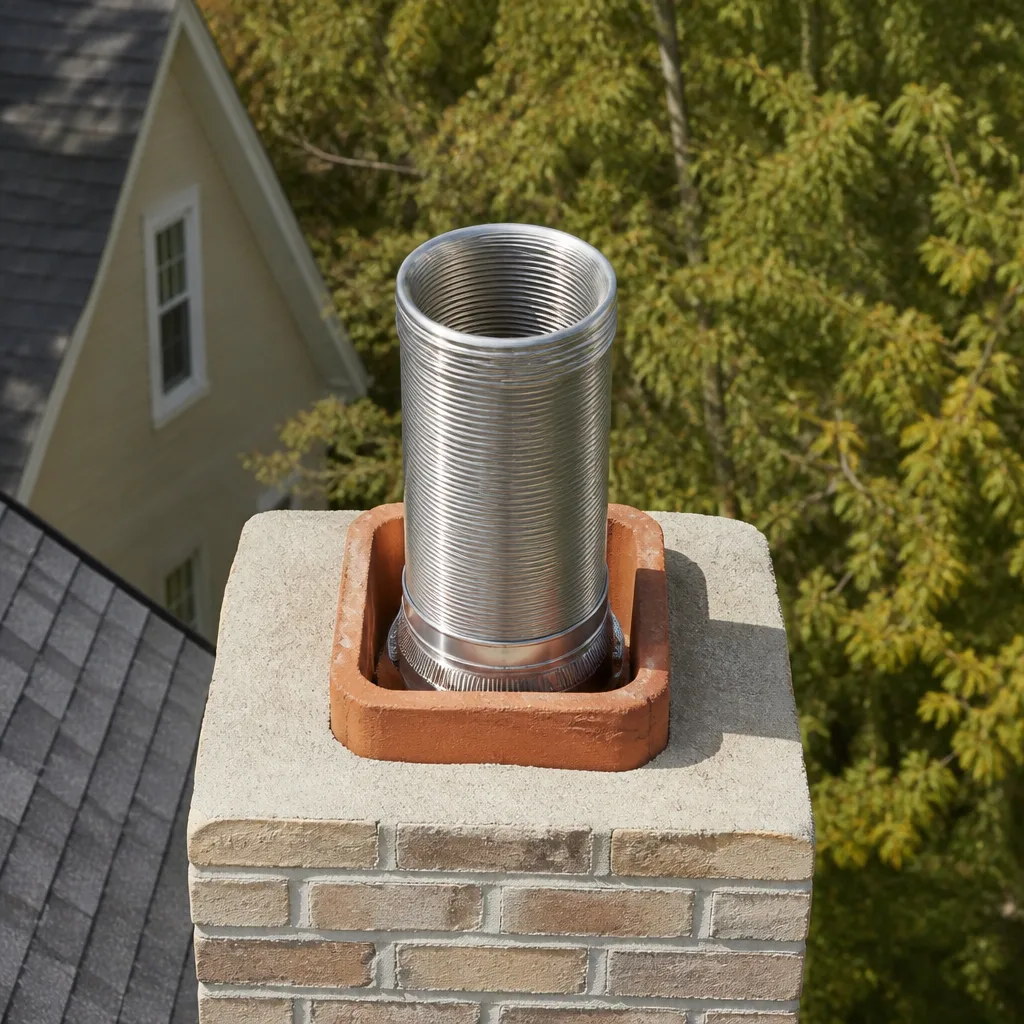 Flue relining
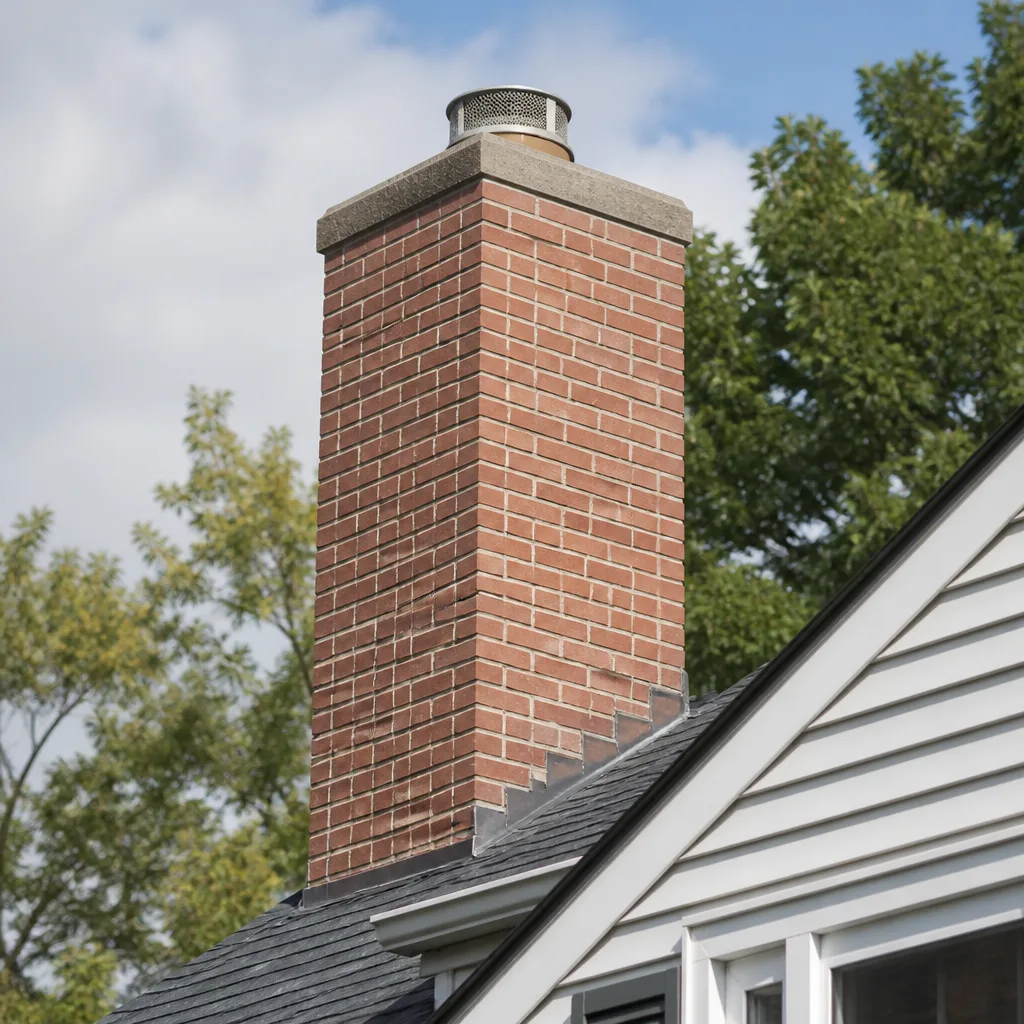 Masonry repair
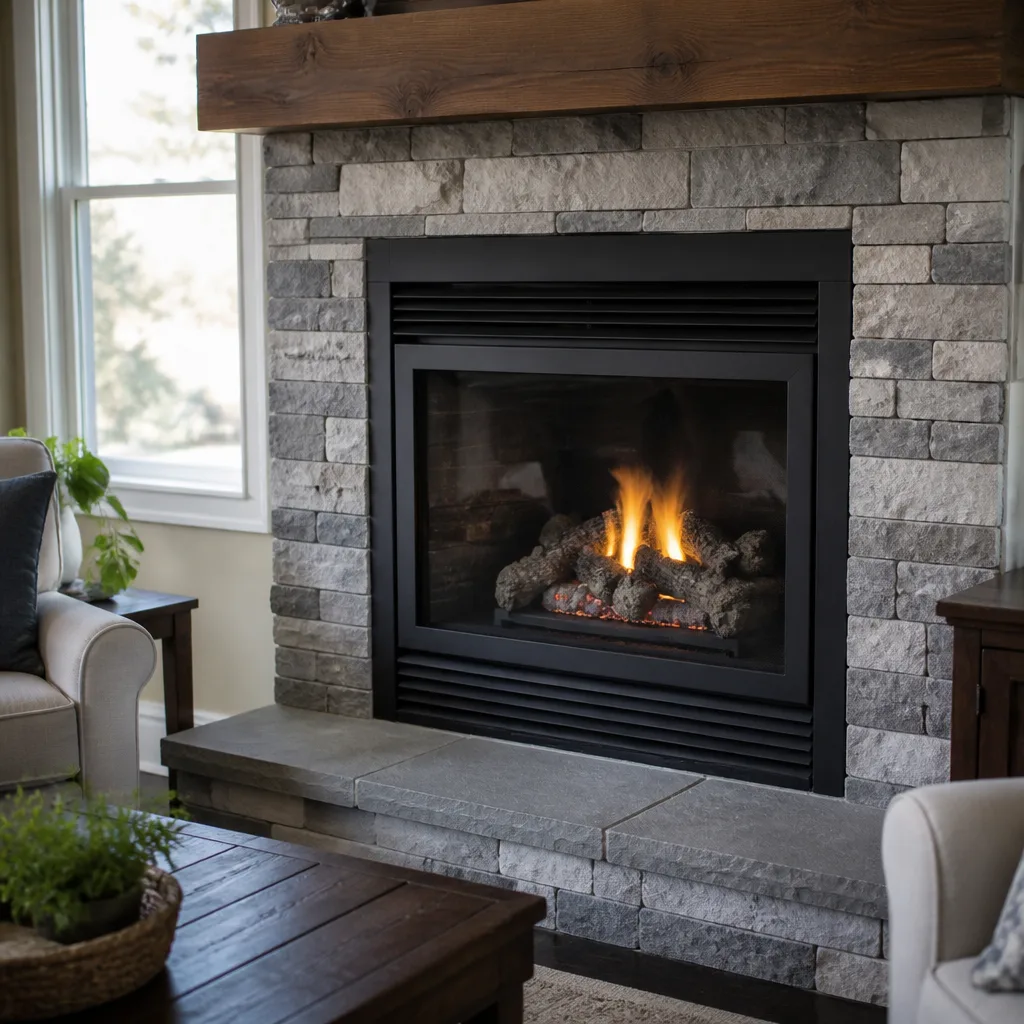 Gas fireplace service
Level 1 sweep and inspection to the NFPA 211 annual standard - flue, crown, cap, and flashing checked and photographed
Chimney sweep logs do not sweep chimneys. They loosen some creosote - which then falls where a brush and vacuum still have to collect it.
Chimney Cleaning Permits, Codes & Inspections in Bluffview, TX: What You Need to Know
No permit is required to clean a chimney in Texas. But the moment a contractor replaces a flue liner or rebuilds a firebox, the job may cross into permitted work, and most homeowners have no idea where that line sits. That gap matters. Cleaning is routine maintenance. Relining and masonry are construction, and construction falls under building codes that local jurisdictions enforce. In this guide we walk through what’s exempt, what typically triggers a permit, how Dallas County and Bluffview-area jurisdictions approach chimney repair, what a Level 2 inspection actually is, and what to ask before you let anyone start. If you own a home in Bluffview and you’re trying to sort out what your chimney legally needs, this is the guide we’d hand you in person.
Styles & brands we work with
- Sweep & inspection
- Caps & crowns
- Flue relining
- Masonry repair
- Gas fireplace service
Quick Answer
Chimney sweeping is not a permitted activity anywhere in Texas, so a routine cleaning in Bluffview needs no paperwork. Structural work – relining a flue, rebuilding a chimney crown, restoring a firebox, or replacing damaged masonry – generally falls under the International Residential Code as adopted by the local jurisdiction, and many Bluffview-area projects of that scope do require a building permit. A Level 2 inspection is the standard used to document chimney condition during a real estate transaction, after a chimney fire, or when a change in fuel type or appliance occurs.
Table of Contents
- Which Chimney Services Are Permit-Exempt in Texas?
- Which Chimney Repairs Trigger a Building Permit?
- How Dallas County and Bluffview-Area Jurisdictions Handle Chimney Permits
- What Is a Level 2 Inspection, and When Is It Required?
- How Unpermitted Chimney Work Gets Flagged During a Home Sale
- What to Ask a Contractor Before Work Begins
- How Bluffview’s Climate Affects Chimney Wear and Repair Scope
- Common Mistakes to Avoid
- When to Call a Professional
- Frequently Asked Questions
- The Bottom Line
Which Chimney Services Are Permit-Exempt in Texas?
In Texas, chimney sweeping and routine maintenance are not permits-and-inspection territory. A sweep removes soot, creosote and debris from the flue. That work is a cleaning service, not a construction activity. No building department in the state reviews a chimney sweep’s brush work, and no permit is issued for it. This is true across Bluffview and every other neighborhood in Dallas County.
The line starts to blur the moment a contractor moves beyond cleaning into something structural. That’s where the IRC enters the picture. Texas adopts the International Residential Code as the model for one- and two-family dwellings, and local jurisdictions adopt it with their own amendments. The IRC covers chimney construction, flue sizing, clearances to combustibles, and liner requirements. When a contractor alters any of those, that’s a code-regulated activity, and whether a permit is required depends on how the local building department reads the scope.
Here’s the practical breakdown of what’s typically exempt versus what requires a consult with the local building department:
- Exempt or clearly maintenance: chimney sweeping, creosote removal, cap replacement (simple swap of a same-size cap), minor damper adjustment, cleaning of a firebox, visual inspection.
- Often permitted: full flue relining, chimney crown reconstruction, firebox masonry restoration involving structural replacement, chimney chase repair, and any work that changes the type of appliance vented through the flue.
- Always check first: a rebuild of the chimney above the roofline, extension of a chimney’s height, and any relocation of the flue within the structure.
We’ve seen enough Bluffview chimney jobs to know the permit question is where honest contractors separate from the ones who cut corners. Our approach is inspection-first. We look at the flue, the crown, the firebox and the chase, then tell you what we found. If the scope crosses into permitted work, we say so before a brush ever touches the flue. Every chimney sweep we book in Bluffview begins that way, and it’s the reason we can tell you with confidence which jobs need paperwork and which don’t.
Which Chimney Repairs Trigger a Building Permit?
Most Bluffview chimney repairs that involve the structural system of the flue will require a permit at the local level, though the exact threshold varies by jurisdiction and by the individual plan reviewer. The IRC requires that chimney and vent systems be constructed and lined to specific standards. When a repair affects those standards, a building permit is the mechanism by which the jurisdiction confirms the work meets code.
The repairs most commonly pulled into permit territory look like this:
- Full flue relining. Replacing a clay tile liner with a stainless steel flexible liner changes the venting system. Most jurisdictions want to see that the new liner is correctly sized, listed for the appliance, and installed per manufacturer instructions. This is where a listed system like DuraFlex matters – a proper liner comes with installation documentation, which is what a reviewer wants to see.
- Crown reconstruction. The crown is the concrete or masonry cap at the top of the chimney that sheds water. Rebuilding a failed crown is a structural repair. Some jurisdictions permit it, some walk it through as a minor repair. Ask.
- Firebox masonry restoration. When the firebox brick and mortar are deteriorated to the point where they need replacement, that’s masonry reconstruction. Permits are common.
- Chase repair and chimney rebuilds. Anything that changes the structural envelope of the chimney above the roofline or the chase below it typically requires a permit.
- Appliance changes. Switching a wood-burning fireplace to a gas insert, or changing the class of appliance vented through the chimney, is a code event. Most jurisdictions want a permit and an inspection on the venting.
Resurfacing sits in a gray area, and this is where a product like HeatShield earns its keep. It restores a deteriorated flue liner from the inside without full replacement, and depending on the scope, jurisdictions may treat it as a repair rather than a replacement. The right answer is to ask the local building department. In our experience, the well-run Bluffview jobs are the ones where the permit conversation happens before the work, not after. We tell homeowners exactly what we’re proposing, and if a permit is part of the scope, that’s part of the conversation.
How Dallas County and Bluffview-Area Jurisdictions Handle Chimney Permits
Bluffview sits within Dallas County, and the building permit process for chimney work falls under the jurisdiction that has permitting authority over the address. In practice, that’s either the City of Dallas or the relevant municipality if the property is in an incorporated pocket of the county. The rules are broadly consistent because everyone works from a Texas-adopted version of the IRC, but the way each office interprets the code for chimney repairs is not identical.
What we see in practice for Bluffview-area addresses:
- Routine cleaning is never permitted. No jurisdiction in Dallas County wants to review a chimney sweep. Cleaning is not a construction activity.
- Structural chimney repair is reviewed as residential construction. When a repair involves the flue, the crown, or the firebox masonry, most reviewing offices treat it as residential construction activity and want the permit application to describe the scope in code terms.
- The permit responsibility is negotiable in the contract, but not in the code. The code requires a permit for the work. Whether the homeowner or the contractor pulls it is a contract question, not a legal one. What matters is that the permit gets pulled.
- Inspection timing matters. Chimney repairs often have an inspection point after the liner or crown is installed but before it’s closed up. A contractor who doesn’t know that sequence is a red flag.
Here’s the part that catches homeowners off guard. Older Bluffview neighborhoods have homes where the chimney was built decades before the current IRC version was adopted. When a repair scope is opened up on an older chimney, the reviewer may compare the as-built system to current code. In our experience, that’s usually a conversation about the liner and clearances, not a full rebuild. But it’s a conversation you want to have before the job starts.
The other piece is scope documentation. We prepare every job with a written scope based on a proper inspection. If a repair crosses into permitted work, the inspection report is what supports the permit application. Our technicians have up to 13 years of experience reading chimney systems, and the scope they write is the one we stick to. That matters in a city where the reviewer can ask for the report. See our chimney cap & crown page for how crown work fits into the broader repair scope.
What Is a Level 2 Inspection, and When Is It Required?
A Level 2 inspection is a comprehensive, documented examination of a chimney system that is accessible without dismantling any part of the structure. It’s the standard used when a change of ownership, a change in fuel type, a chimney fire, or an event that may have damaged the system has occurred – and it is the inspection standard that documented in real estate transactions. A Level 1 inspection is a routine visual check of the accessible portions. A Level 2 goes further, and a Level 3 goes further still, involving access to concealed areas.
The Level 1 / Level 2 / Level 3 vocabulary comes from the NFPA 211 standard for chimneys, fireplaces, vents and solid fuel-burning appliances. That’s a professional standard, not a Texas statute. Texas doesn’t name “Level 2 inspection” in its code. What Texas code does is require certain conditions to be met – proper venting, proper clearances, and properly lined flues – and a Level 2 inspection is the professional standard most commonly used to document whether those conditions are met.
When a Level 2 inspection is the right call:
- During a home sale. Buyers, lenders and real estate professionals routinely want a Level 2 before closing. If a Bluffview home is under contract, a documented chimney condition review belongs in the inspection period.
- After a chimney fire. Even a small chimney fire can damage the flue and the crown. A Level 2 is the honest way to find out.
- After any event that may have damaged the chimney. A nearby lightning strike, a small earthquake that cracked masonry, or a chimney that has taken a hard hit.
- When changing fuel type or appliance. Converting a wood fireplace to gas, or installing an insert, changes the venting demand on the flue.
- When the previous history is unknown. A Bluffview homeowner who has never had the chimney inspected, or who inherited a home with unclear records, benefits from the baseline.
Who can perform a Level 2? In Texas, chimney inspection is not a state-licensed profession in the way that, say, electricians are licensed. That means the standard is professional, not statutory. In practice, a Level 2 inspection is performed by a chimney professional with training and the equipment to visually and photographically document the flue, typically with a video camera. Our inspections include a photo report so the homeowner sees exactly what we see. That’s the difference between a documented inspection and a walkthrough.
How Unpermitted Chimney Work Gets Flagged During a Home Sale
Unpermitted chimney work usually surfaces during a home sale, and the discovery is rarely subtle. A home inspector conducting the buyer’s inspection will look at the chimney. They’ll note a newly relined flue, a new crown, or fresh masonry. When the inspection report notes recent structural work on the chimney and the property record doesn’t show a permit, the question lands on the seller.
The chain usually goes like this:
- The buyer’s home inspector flags recent chimney work and asks for the permit history.
- The seller produces no documentation. The buyer’s agent escalates the issue.
- A Level 2 inspection is ordered to document current condition, and the report either supports the work or reveals problems.
- The local building department is contacted. If the work required a permit and none was pulled, the path forward is typically a permit being pulled after the fact, which often requires the work to be opened up for inspection, or for the work to be removed and redone.
- The cost of that remediation is negotiated between buyer and seller, or the deal stalls.
What that costs in remediation depends entirely on what was done and whether it’s correct. A reline that was done properly but not permitted may just need the paperwork sorted. A reline that was done with the wrong product, the wrong size, or no documentation often has to come out. That’s where the material choice really matters. A listed system installed per manufacturer instructions with documentation is a defensible position. A hardware-store liner is not. We use DuraFlex, HeatShield and professional-trade supplies like Famco and Copperfield because the systems we install are the ones we can document, and documentation is the difference between a pass and a problem at resale.
The same pattern shows up in any fireplace repair scope. If a firebox was rebuilt without a permit and the buyer’s inspector is savvy, the same questions come up. The lesson for Bluffview homeowners is simple. If a contractor says a permit isn’t needed, ask why. If the answer isn’t clear, get it in writing.
What to Ask a Contractor Before Work Begins
The right questions asked before the job starts save enormous headaches after the fact. We’ve seen enough Bluffview chimney jobs to know that the homeowner who asks these questions usually ends up with a cleaner outcome, whether they hire us or someone else.
Ask these in this order:
- “Will this job require a building permit?” Get the answer in writing, along with the reason.
- “Who pulls the permit if one is required?” A contractor who refuses to pull permits on structural work is telling you something.
- “What’s the inspection scope, and will I get a report?” Every job should start with an inspection. If the contractor is quoting a price before looking, that price is a guess.
- “What systems and products will you install?” A listed flue liner, a professionally sourced cap, and manufacturer documentation are the baseline. Ask for the brand names.
- “What’s the code basis for the liner size?” A properly sized liner is a code requirement. If the contractor can’t explain the sizing, that’s a problem.
- “What’s my documentation package at the end?” You should receive the scope, the inspection report, the permit documentation if applicable, and installation records for the liner and cap. That package is what protects you at resale.
Ask these questions of any contractor. The answers tell you whether they understand the code, understand the permitting path, and understand that the documentation is what matters. In our experience, the contractors who can answer all six confidently are the ones you want on your chimney.
How Bluffview’s Climate Affects Chimney Wear and Repair Scope
Bluffview sits in North Texas, where the weather is hot for much of the year and the winters are comparatively mild. That has a real effect on chimney wear and on the scope of repair work, and it shapes the permit question in a specific way.
The biggest driver of chimney damage in this climate is moisture, not cold. Summer heat and humidity, spring storms, and the occasional heavy rain combine to put stress on the crown and the masonry. A deteriorated crown lets water into the chimney chase, and that water works on the flue liner and the firebox over time. That’s why crown repair is such a common scope in Bluffview – not because winters are hard, but because the rain and heat work the crown continually. HeatShield resurfacing is a good fit for many Bluffview flues because it addresses the liner deterioration driven by moisture without requiring full replacement.
What this means for the permit conversation:
- A cap and crown job on a Bluffview chimney is common, and it’s often a smaller scope than homeowners expect. Cap replacement is usually straightforward. Crown reconstruction is structural and may require a permit depending on the local jurisdiction’s read of the scope.
- Liner condition is the most common finding in inspections here. Moisture ingress through a failed crown is the leading cause, and a proper cap plus a sound crown is the long-term fix. A cap from a professional supplier like Gelco is what keeps the water out after the liner work is done.
- Firebox masonry wear is a real concern in Bluffview homes because the firebox takes the direct heat of the fire. When the firebox brick and mortar need replacement, that’s typically structural.
The larger point for a Bluffview homeowner is that the chimney isn’t failing because of one hard winter. It’s failing slowly because of moisture, heat and time, and the repair scope needs to address all three. That’s why we don’t quote before we inspect, and it’s why we carry the products we carry. If you’re pricing out a chimney repair, the Chimney Sweep Bluffview approach starts with a documented inspection so the scope is clear before a permit conversation begins.
Common Mistakes to Avoid
These are the mistakes we see most often in Bluffview and the surrounding area. Each one is avoidable with the right questions and a properly documented job.
- Assuming no permit means no code. Some homeowners hear “no permit needed” and stop listening. What matters is whether the work meets code, and the code applies whether or not a permit is pulled. Ask the contractor to explain the code basis of the work, not just the permit status.
- Letting a generalist do structural chimney work. A handyman who sweeps chimneys on the side may be fine for a cleaning. But a reline or a firebox restoration needs someone who knows the IRC chimney section, knows the liner sizing rules, and knows how to document the job. Half-scoped structural work is the most expensive kind.
- Pulling the permit as the homeowner when the contractor should. If the contractor declines to pull the permit, that’s a signal. The code is the same for both parties, but the contractor who pulls it is accountable for the inspection.
- Waiting to close on a Bluffview home before getting the chimney inspected. The inspection period is when the Level 2 belongs. After closing, the negotiation has already happened.
- Taking a verbal scope. If the scope isn’t in writing, the permit conversation wasn’t real. Get the scope documented, with a photo report behind it, before work starts.
- Cheaping out on the liner. A hardware-store liner may pass a casual look. It’s not the same product as a listed system, and at resale the difference shows in the paperwork.
- Skipping the crown because the flue looks fine. A failing crown is the leading cause of liner deterioration in this climate. If the crown is going, the liner isn’t far behind.
When to Call a Professional
Any chimney repair that might be permitted work belongs in professional hands. That includes relining, crown reconstruction, firebox restoration, chase repair, and any repair that follows a documented chimney fire. A Level 2 inspection before a home sale or after a chimney fire is also a professional job, because the documentation has to hold up to a buyer’s inspector and possibly a reviewer. Same-day service is available for these calls. If a structural scope turns up, the right answer is a proper job, not a fast one. Call (866) 901-7504 for a free estimate. We answer 24/7. Fast dispatch from 7am to 7pm.
Frequently Asked Questions
No. Chimney cleaning is not a permitted activity in Texas. A routine sweep in Bluffview doesn’t require a permit, because cleaning is a maintenance service, not a construction activity. Call (866) 901-7504 for an exact quote on a sweep – estimates are free.
Structural chimney repairs typically require a building permit under the International Residential Code as adopted locally. Full flue relining, crown reconstruction, firebox masonry restoration, chase repair, and appliance changes generally fall into permitted work. The exact threshold depends on how the local jurisdiction reads the scope. Call and we’ll walk through your project – estimates are free.
A Level 2 inspection is a documented, comprehensive examination of the chimney system, typically including a video scope of the flue. It’s the standard used for real estate transactions, after a chimney fire, and when the fuel type or appliance changes. In Texas it’s a professional standard (NFPA 211), not a statute, but most home sales in Bluffview use it. Call (866) 901-7504 to schedule one.
Dallas County follows the Texas-adopted building codes, but the jurisdiction of the address controls the permit process. For a typical Bluffview property, the City of Dallas or the applicable municipal office handles the review. The rules are broadly consistent, but the application of the code to chimney repair scopes varies by reviewer. Call us for a free estimate and we’ll tell you what your project likely needs.
Unpermitted structural chimney work shows up in the buyer’s home inspection, and the discovery typically leads to a Level 2 inspection followed by a retroactive permit process. The remediation cost depends on whether the work is correct and documented. Pulling the permit up front is far cheaper than sorting it out at closing. Call (866) 901-7504 for an exact quote before you commit to the work.
A chimney should be swept when the creosote buildup reaches a level requiring removal, and annually is a common baseline for a home that uses its fireplace regularly. The pace varies by how much you burn and the condition of the cap and crown. Bluffview’s moisture load means the sweep is also a chance to check the crown and the liner. Call (866) 901-7504 to book a sweep and inspection – estimates are free.
The Bottom Line
Cleaning a chimney doesn’t require a permit in Texas. Structural chimney work often does, and the difference matters because unpermitted work gets flagged at resale. The path forward is straightforward. Get a documented inspection first. Get the scope in writing. Ask whether a permit is required and who pulls it. Use professional-grade materials – DuraFlex liners, HeatShield resurfacing, professionally sourced caps – because the documentation is what protects the job. In Bluffview, the contractor who knows the code and the local permitting process is the one who can explain the whole scope clearly, and that’s the one to hire.
If you’d like help sorting out the permit and inspection question on your own chimney, call us. We’ll set up a free estimate and give you a straight answer.
Call (866) 901-7504. We answer 24/7. Fast dispatch from 7am to 7pm, Sunday through Friday.
Written by the team at Chimney Sweep Bluffview.
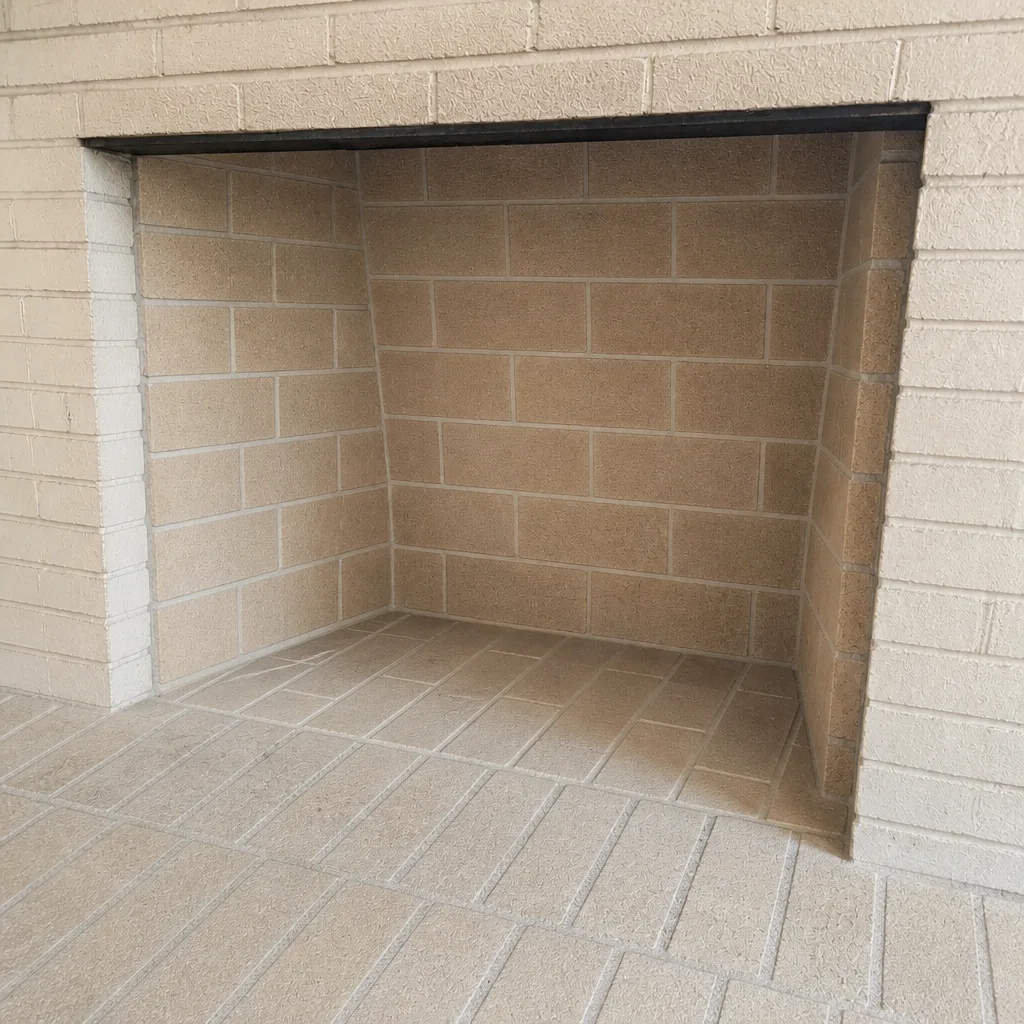
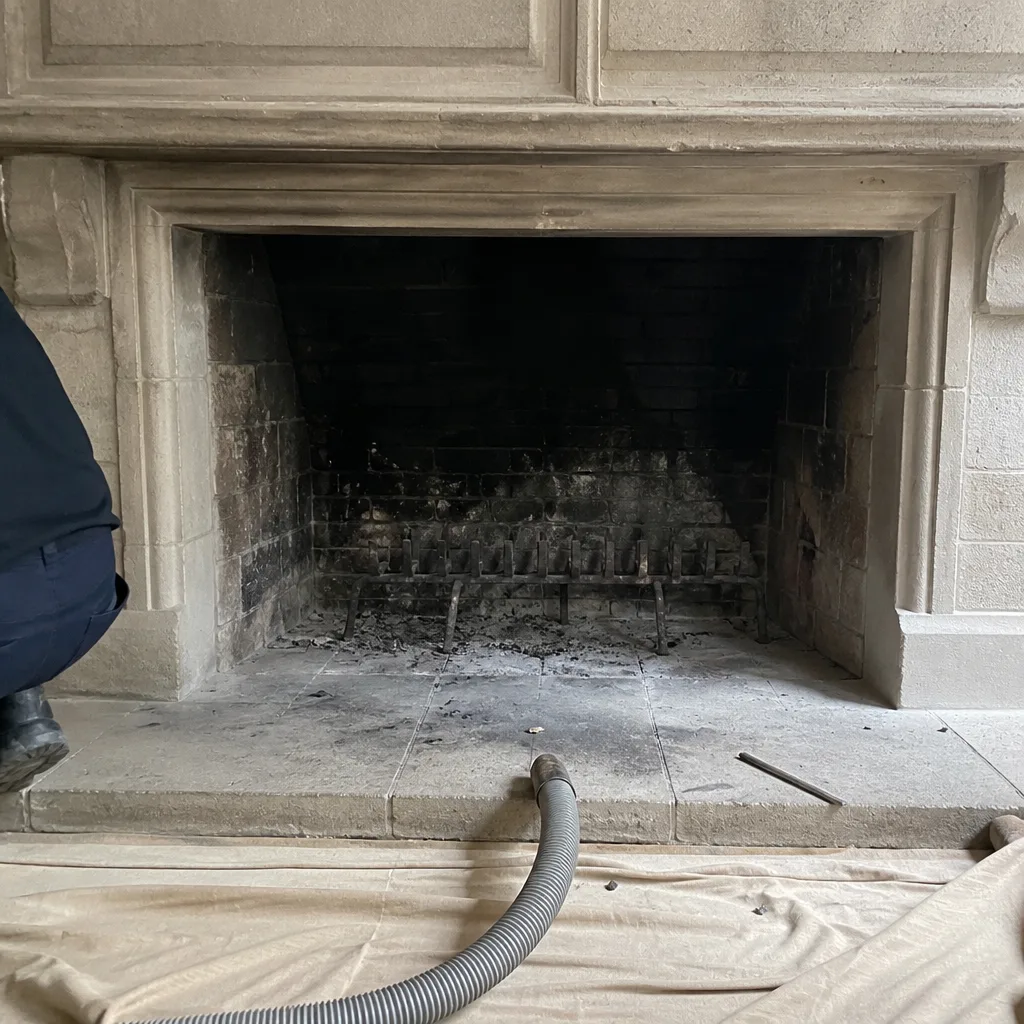
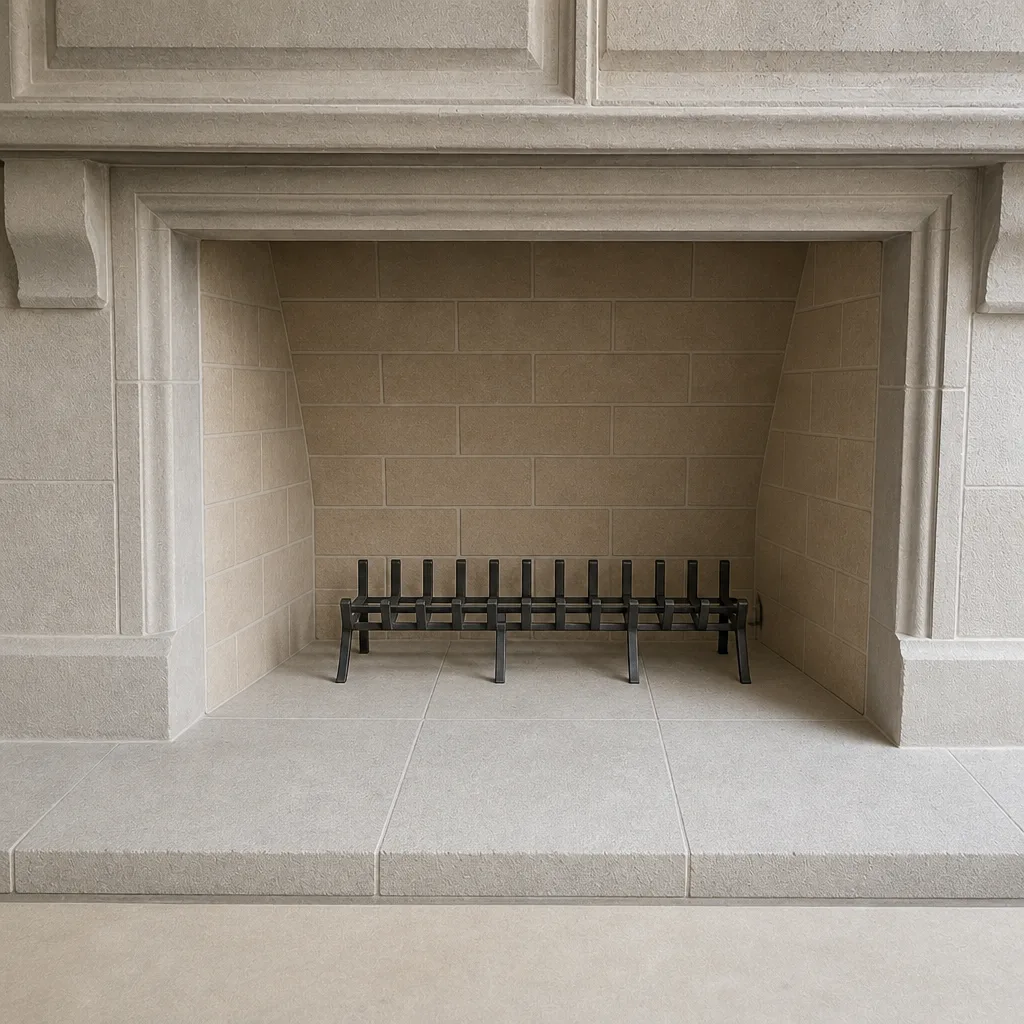
See the difference
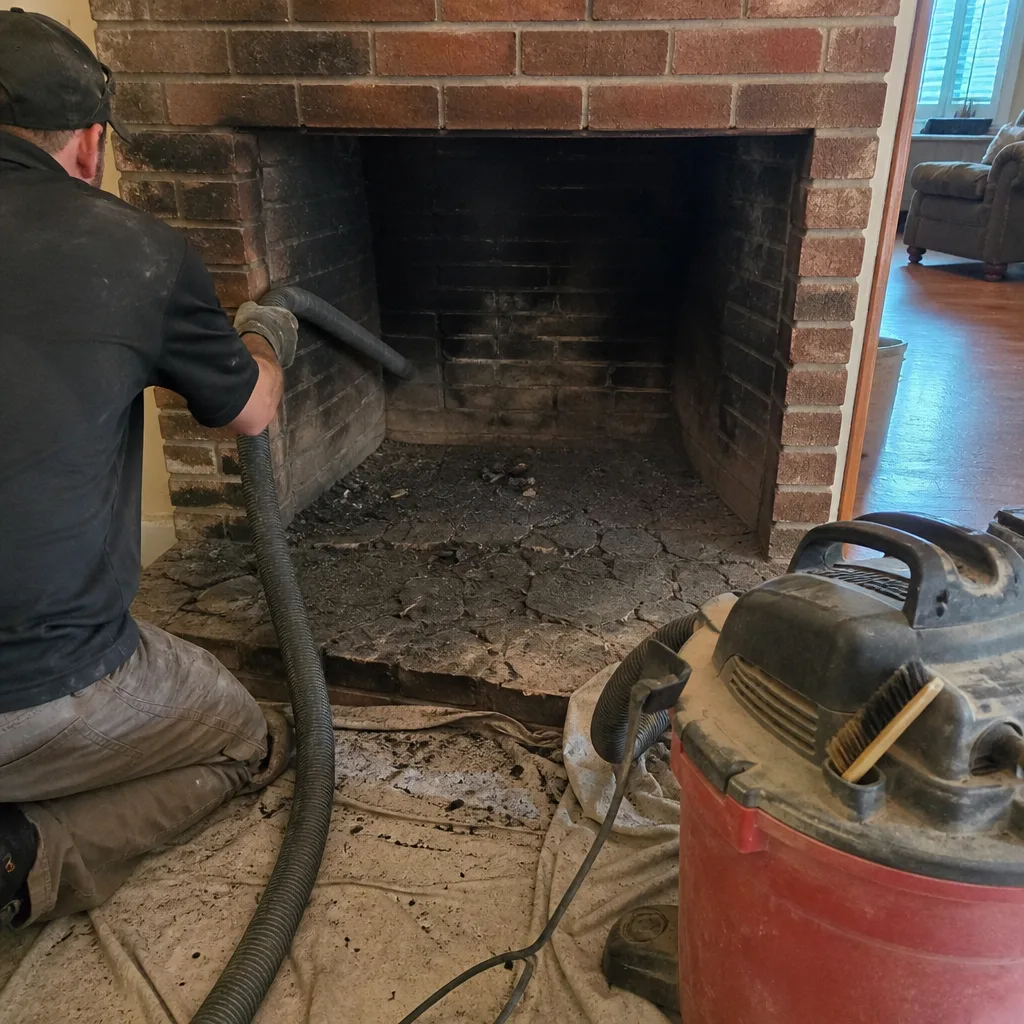 Before
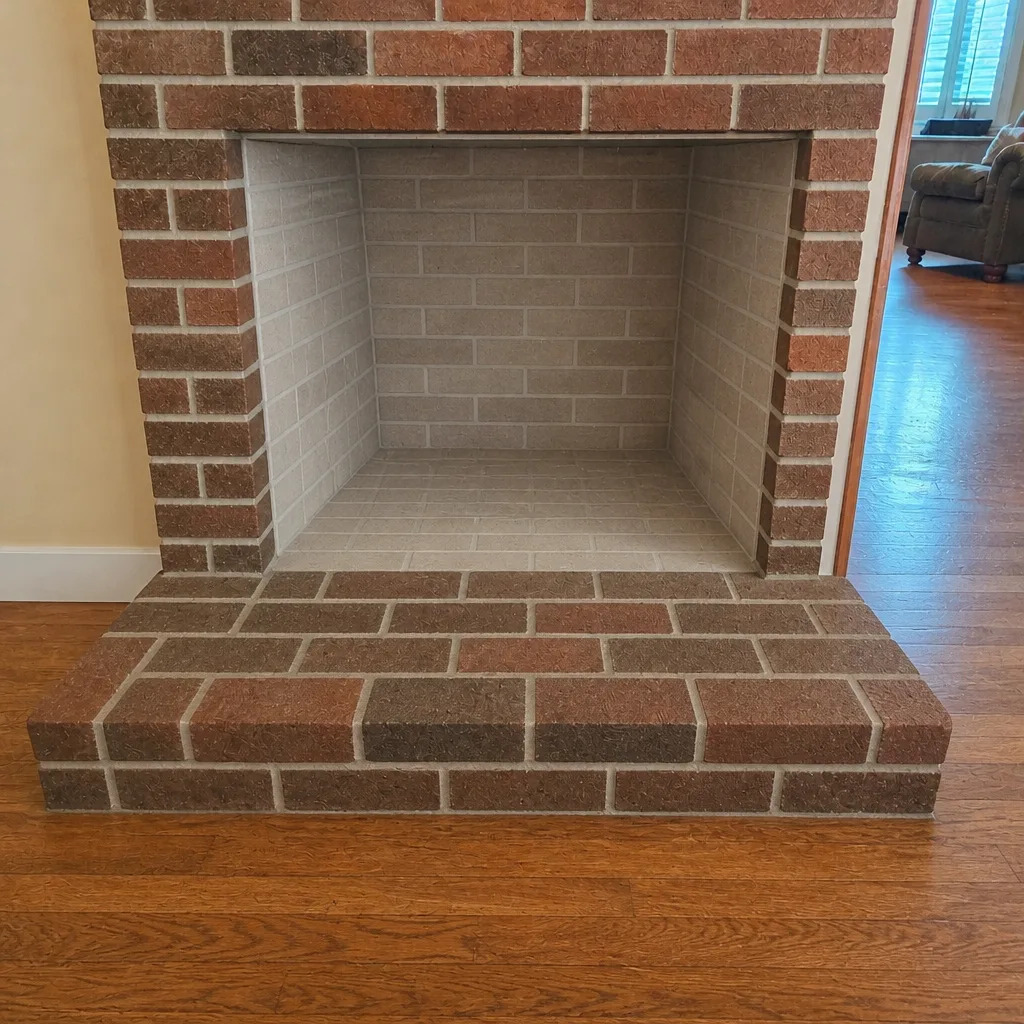 After
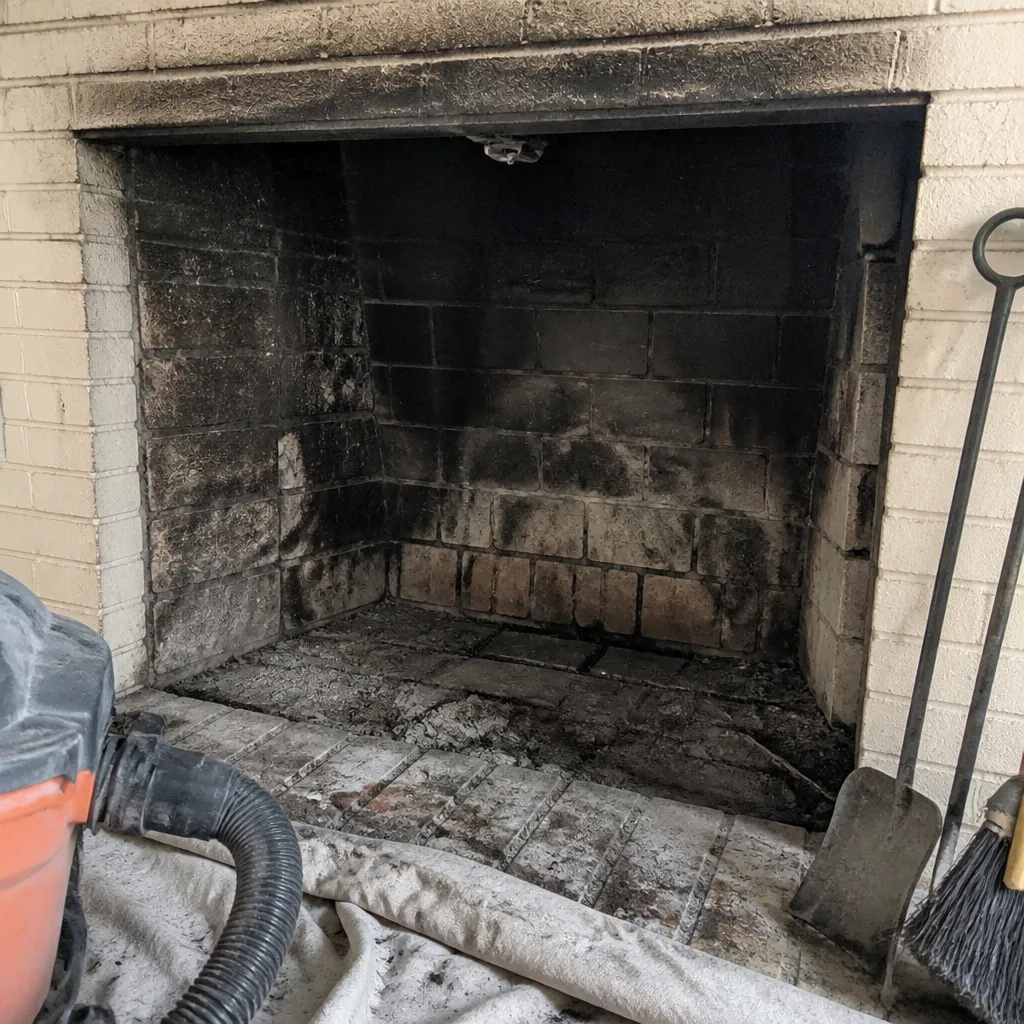 Before
 After
 Before
 After