
Last updated November 23, 2026
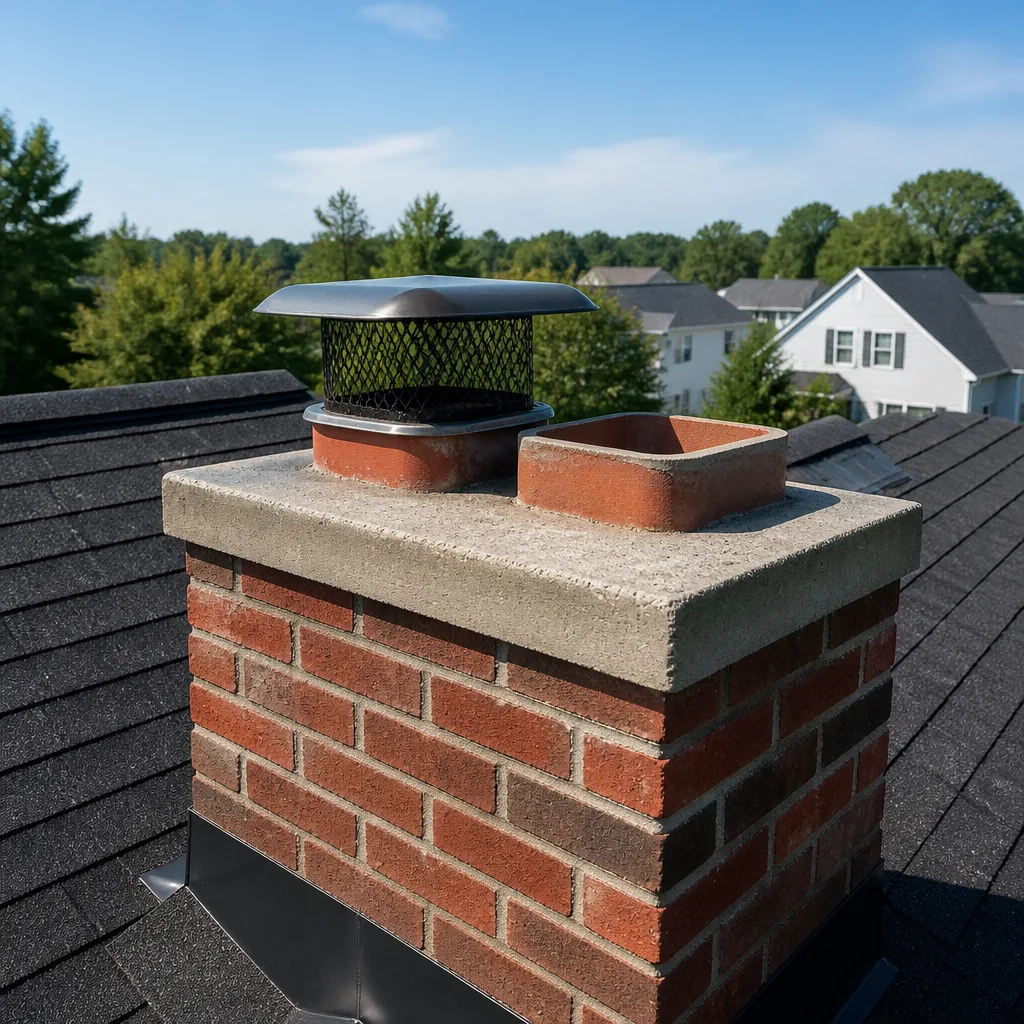 Sweep & inspection
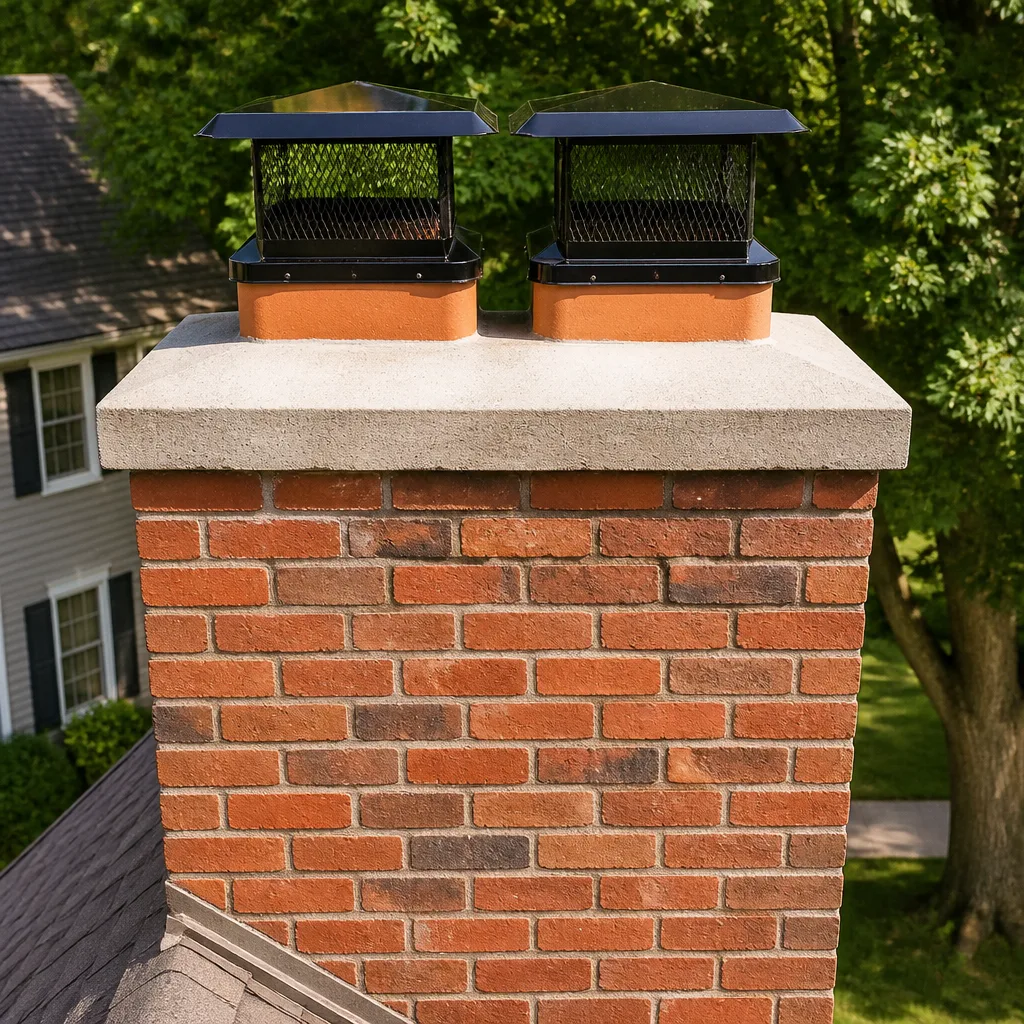 Caps & crowns
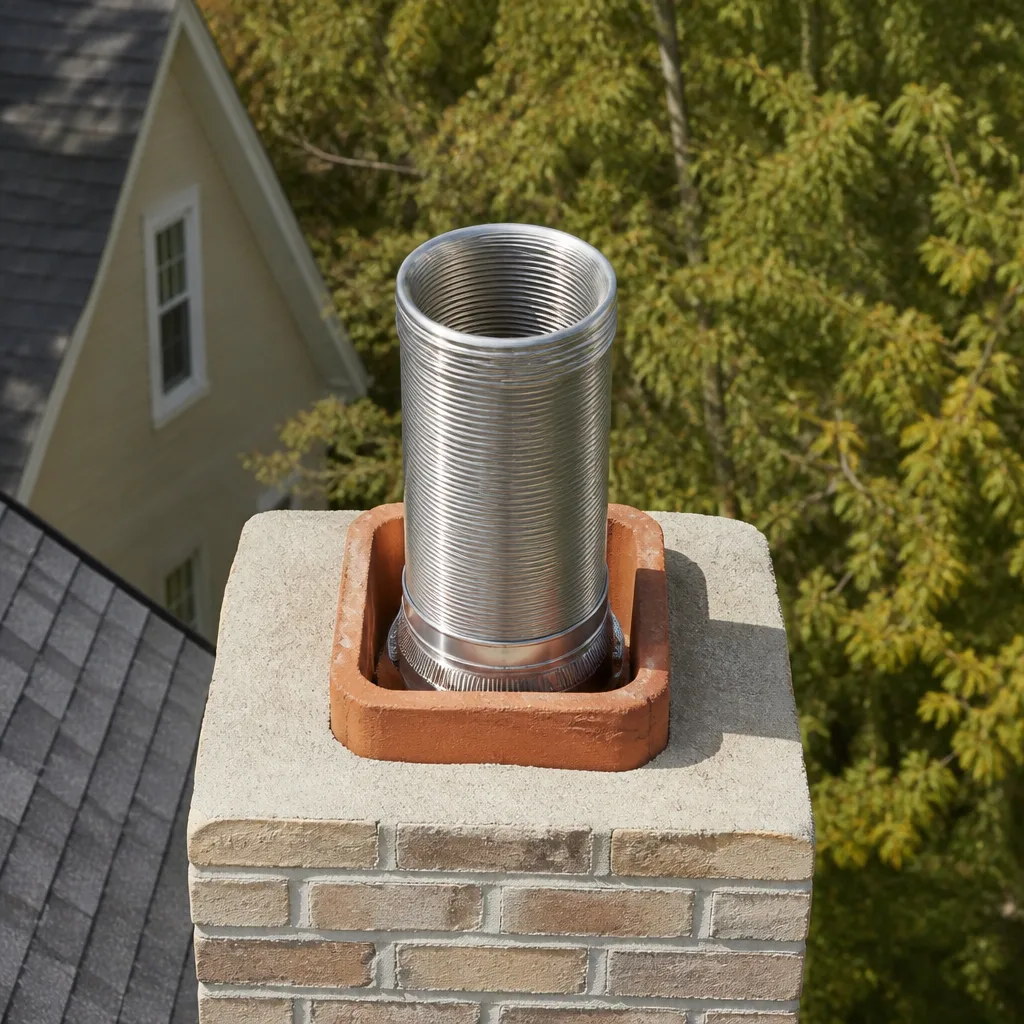 Flue relining
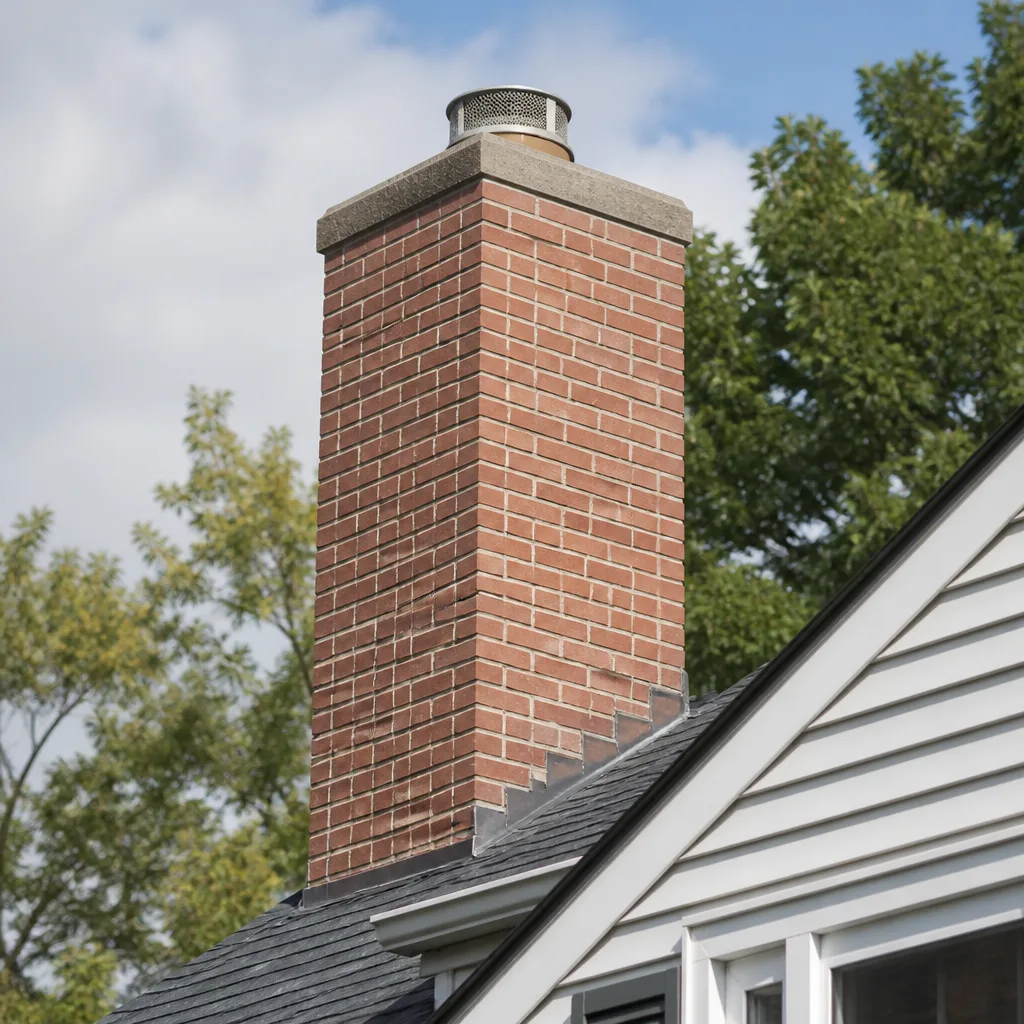 Masonry repair
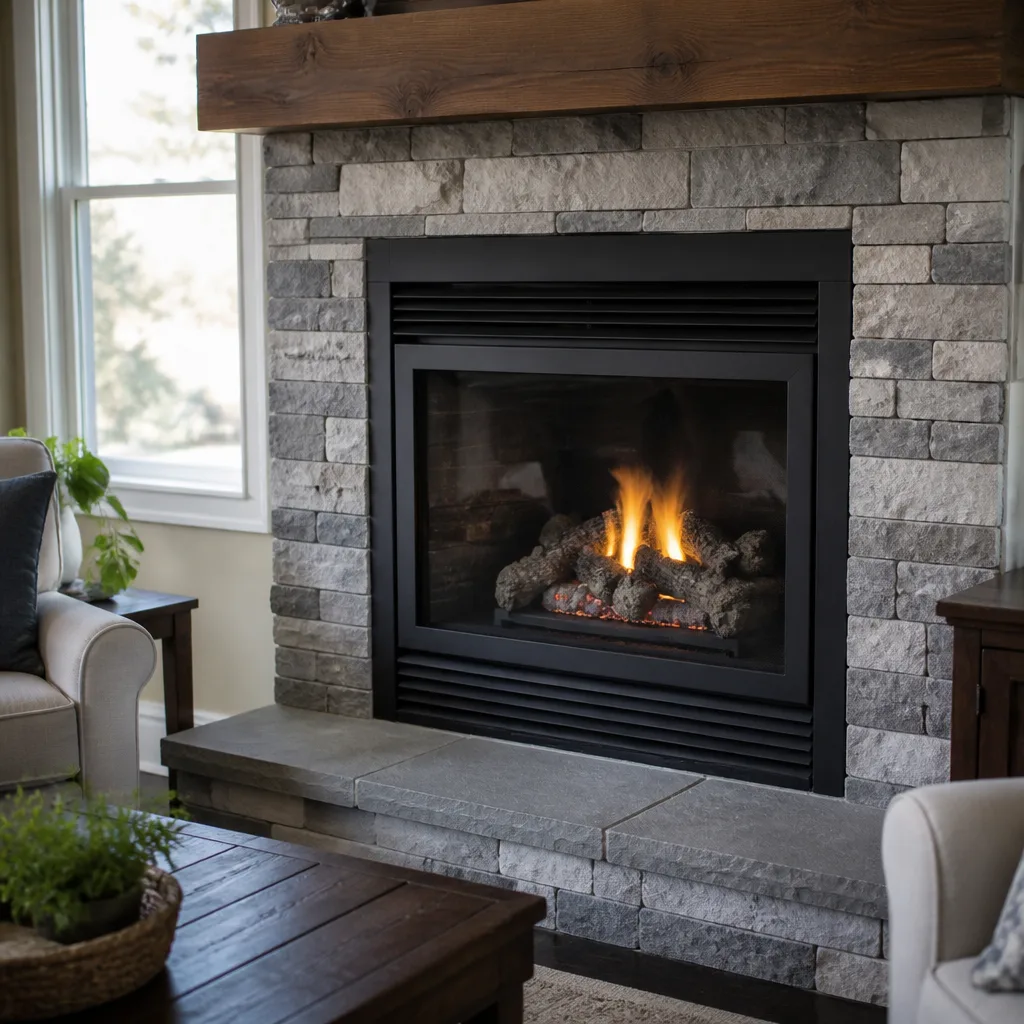 Gas fireplace service
Level 1 sweep and inspection to the NFPA 211 annual standard - flue, crown, cap, and flashing checked and photographed
Chimney sweep logs do not sweep chimneys. They loosen some creosote - which then falls where a brush and vacuum still have to collect it.
Chimney Sweep Maintenance Checklist for Bluffview Homeowners
The standard “annual sweep” rule was written for homes that burn wood all winter. If you light your fireplace six times a year, your maintenance schedule needs a different logic – not less care, just smarter timing. Bluffview‘s mild winters, humid summers, and spring hail don’t destroy chimneys the way a Minnesota deep freeze does, but they wear a chimney in ways a generic checklist never mentions. What follows is a month-by-month calendar built for this climate, a post-storm routine specific to North Texas weather, and a clear line between the checks you can do yourself and the ones that need a trained eye.
Quick Answer
A Bluffview chimney should be inspected once a year and swept whenever creosote buildup reaches about an eighth of an inch, or after roughly a cord of wood burned – and here that usually means a late-summer or early-fall inspection before burning season, with a post-storm look at the cap, crown, and flashing after any hail or high wind. Homes that light the fireplace only a handful of times a year often skip the annual sweep entirely and just keep up the exterior checks.
Styles & brands we work with
- Sweep & inspection
- Caps & crowns
- Flue relining
- Masonry repair
- Gas fireplace service
Table of Contents
- The Bluffview Maintenance Calendar, Month by Month
- Interior Checks You Can Do Yourself vs. What Needs a Pro
- Post-Storm Checklist for North Texas Weather
- Cap, Crown, and Flashing: The Three Components That Fail First
- Creosote: How It Builds Differently in a Mild Climate
- How to Log Your Maintenance History (and Why It Pays Off)
- Building a Sweep-and-Inspection Schedule That Fits Your Burning Habits
The Bluffview Maintenance Calendar, Month by Month
Most chimney advice splits the year into “winter” and “summer.” Bluffview doesn’t work that way. Our burning season is short and irregular – a cold snap in January, then shirtsleeves in February – while our real threat window runs from spring hail through summer humidity to the first serious burn in November. Here’s how we time maintenance for a Bluffview home.
January and February: Peak burning months. Watch the firebox for smoky backdrafts and check the firebox walls for cracked brick after heavy use. No major maintenance now unless something fails.
March and April: The last fires of the season, then a full sweep once you’ve stopped burning. Sweeping after the season clears out the creosote that built up over winter so it doesn’t sit through humid months. This is also when you start watching the sky.
May and June: Storm season. Check the cap after every hail event and look at the crown for new cracks. This is the highest-risk period for water getting into the flue.
July and August: Humidity peaks, and that’s when water intrusion does its quiet damage – rusted dampers, spalling brick, musty smells from the firebox. Check the firebox for moisture and look for efflorescence (white staining) on exterior masonry.
September and October: The prime inspection window. Book your annual inspection now, before every chimney in Bluffview wants one at the same time. Any liner or crown repair should be completed now, not in December.
November and December: Burning season returns. Test the damper, confirm the cap is secure, and make sure you have a working carbon monoxide detector on every level of the home before the first fire.
The key insight: the inspection belongs in early fall, the sweep belongs right after your last burn of spring, and the storm checks belong to late spring and early summer. Three different appointments, timed to three different seasons.
Interior Checks You Can Do Yourself vs. What Needs a Pro
The line between “safe to check yourself” and “call a professional” isn’t about difficulty – it’s about what a wrong diagnosis costs. Here’s where we draw it for Bluffview homeowners.
Checks you can safely do yourself
- Operate the damper. Open and close it fully a few times each fall. It should move freely and seat flush.
- Look up the flue with a flashlight. From the firebox, shine light up the chimney. You’re looking for visible soot buildup, animal nests, or daylight where there shouldn’t be any. Don’t reach in – just look.
- Check the firebox for cracks. Hairline cracks in firebrick matter; large gaps in the mortar joints need a pro.
- Inspect the fire screen or glass doors. Loose hinges and cracked glass are a safety issue before they’re a structural one.
- Watch for smoke in the room. A fireplace that used to draft well and now doesn’t is telling you something changed.
- Smell the firebox in summer. A musty smell in July or August usually means moisture is getting in from above.
- Test your carbon monoxide detector. Press the test button once a month during burning season.
Checks that need a professional
- Camera inspection of the flue. A video camera is the only way to see cracked tiles, gaps in the liner joints, or offsets in the flue that you can’t see from below.
- Creosote measurement. Judging whether the buildup has reached an eighth inch takes a trained eye and the right scraping tool.
- Crown and flashing inspection on the roof. Walking a roof to inspect masonry is where most homeowner injuries happen. Stay off it.
- Liner assessment. Whether a cracked clay tile needs relining, a HeatShield resurfacing, or just monitoring is a judgment call, not a lookup.
- Draft testing. A professional uses a smoke test or manometer to confirm the chimney is pulling air correctly – you can’t do that with your nose.
If any interior check turns up something odd – smoke, smell, cracks, or a draft that changed – that’s the point to book a professional chimney inspection rather than guess. Every visit starts with an inspection, so you know exactly what your chimney needs and what it doesn’t.
Post-Storm Checklist for North Texas Weather
Hail and wind are the two events that actually damage a Bluffview chimney, and they arrive together in spring. The post-storm routine below takes about ten minutes from the ground and catches the problems that turn into expensive repairs if left alone.
- Look at the cap first. A hail strike can bend the mesh, dent the top plate, or knock the whole cap loose. A loose cap is an open door for rain, birds, and squirrels – and a fallen cap can damage the crown below it.
- Check the crown for new cracks. The crown is the concrete or mortar cap at the top of the chimney. Small hairline cracks are normal; anything wider than a hairline, or a crack where you can see daylight through it, means water is getting in.
- Look for washout at the base of the chimney. Mortar that has been eroded by water – what the trade calls “mortar wash” – shows up as gritty sand or chunks of mortar on the ground near the chimney base or on the roof below it.
- Inspect flashing for lifted metal. The metal strips where the chimney meets the roof can lift in high wind. If you can see daylight or a gap from the ground with binoculars, water is going to follow.
- Look for displaced brick. Chunks of brick or mortar on the ground, or a visibly leaning chimney stack, is a call-a-professional-now situation. Don’t climb up to investigate.
- Check the interior after a hail event. Look for water stains on the ceiling near the chimney, or in the firebox itself. Water in the firebox usually means the crown or flashing failed.
- Test your smoke and CO detectors. Any time masonry or the flue is disturbed, verify your alarms are working before the next fire.
A hail event that leaves no visible damage should still get a follow-up look at the cap and crown in a couple of weeks, once the shingles and siding have dried. Damage that doesn’t show up wet can show up dry.
Cap, Crown, and Flashing: The Three Components That Fail First
In a mild climate with a short burning season, the exterior components do most of the aging. The interior of the flue stays relatively clean if you don’t burn heavily; the exterior gets hammered by sun, hail, wind, and humidity twelve months a year. Cap, crown, and flashing – in that order – are the three you’ll repair first.
The chimney cap
The cap is the metal or masonry cover that sits over the flue opening. Its job is to keep rain out, let smoke out, and block animals from moving in. In Bluffview, hail is the usual killer: the mesh gets dented or torn, and the next rain comes straight down the flue. We supply caps from Gelco and Famco because they’re sized for the actual opening, not just close enough, and a fitted cap is the difference between a working cap and one that whistles or lifts in the wind. When a cap needs replacing, that’s often a quick job that also includes checking the crown while the technician is already up there.
The crown
The crown is the slab at the top of the chimney that slopes away from the flue so water can’t pool. Over years of sun and thermal cycling, the crown cracks – sometimes just a hairline, sometimes a spot where water can penetrate to the masonry below. A cracked crown is the number one cause of the water intrusion we see in Bluffview chimneys, and it’s also one of the cheaper things to fix before it turns into a masonry problem. See chimney cap & crown work for how we approach both together.
The flashing
Flashing is the metal where the chimney passes through the roof. It’s the least visible of the three from the ground, and the one most likely to be quietly leaking into your attic for a season before you notice a stain on the ceiling. Wind lifts it, and heat cycling loosens the sealant underneath. If a home inspector flagged the flashing during a sale, or a roofer ever mentioned it in passing, take that seriously before the next storm season.
These three components also form the base of the maintenance work we do on any Bluffview home – the chimney sweep appointment is the one people remember, but the cap-check and crown-check are often the ones that actually save money.
Creosote: How It Builds Differently in a Mild Climate
Creosote is the residue left behind when wood smoke cools on its way up the flue. It comes in three forms – light soot, a crusty flaky layer, and a hard glazed layer that’s essentially tar – and the glazed form is the one that burns hottest when it ignites. Most chimney fires are creosote fires, and most creosote fires are preventable with proper maintenance.
Here’s where a Bluffview chimney differs from a colder climate: because you’re likely burning only a few cords a year, creosote builds slowly. That feels safer than it is. Slow buildup means the problem is easy to forget – and the glazed stage can develop from a single season of burning unseasoned wood in a cool, slow-burning fire. Two habits matter far more than how much you burn:
- Burn dry wood. Seasoned hardwood (under 20% moisture) produces far less creosote than green or soft wood. A $20 moisture meter takes the guesswork out.
- Don’t smolder. A fire that’s damped down low, with no visible flame, produces much more creosote than a fire burning hot. Small hot fires are the cleaner choice.
A chimney that sees serious buildup should be swept before it burns again, without exception. A chimney with an eighth inch of buildup or more is a candidate for a sweep every year, regardless of how many fires you lit. A chimney that never gets past light soot can go longer between sweeps, as long as the annual inspection confirms it.
This is where the inspection-first approach earns its place. We don’t guess at your creosote level from the number of fires you describe; we look. The chimney sweep happens when there’s something to sweep, not because it’s time on a calendar.
How to Log Your Maintenance History (and Why It Pays Off)
A maintenance log isn’t a novelty – it’s a document that works for you at two specific moments: when you sell the home, and when you file an insurance claim. Most homeowners never start one because they don’t know what to record. Here’s what actually matters.
What to record
- Date of every sweep and inspection. Even the ones that found nothing wrong.
- Who did the work – the company name, and whether the technician was certified. Keep the invoice or the inspection report.
- What was recommended and what was declined. If a technician recommended relining and you decided to wait, note that. It shows you were informed.
- Any repair made, with the material used. A HeatShield resurfacing, a Gelco cap install, a DuraFlex liner – record the product name alongside the date. Brands matter when a future inspector or buyer asks what’s been done.
- Photos of the chimney exterior once a year, from the same spot. A year-by-year visual timeline is worth more than any verbal description when you’re showing a buyer or an insurance adjuster that the chimney has been maintained.
- Any storm damage – date of hail event, what you observed after, and any repair.
Why it matters at sale or claim time
When a home inspector in Bluffview flags the chimney during a sale, the buyer’s first question is “how old is that liner and who’s been maintaining it?” A log with dates, brands, and photos answers that question cleanly. Without one, the buyer assumes the worst and asks for a credit.
The same log tells an insurance adjuster that a chimney fire, or hail damage, happened to a maintained system, not a neglected one. Maintained systems get treated as maintenance claims; neglected systems get scrutinized as pre-existing problems. The difference can be thousands of dollars.
Building a Sweep-and-Inspection Schedule That Fits Your Burning Habits
The generic “sweep once a year” rule works fine for a home that burns wood all winter. For most Bluffview homeowners, a schedule calibrated to actual use is both safer and more economical. Here’s the framework we use.
Heavy burners (a cord or more per season)
- Sweep once a year, after your last burn of spring.
- Full inspection in early fall, before the first fire.
- Exterior check after every hail event.
- Cap and crown check annually.
Moderate burners (a few fires a month in winter)
- Sweep every year, but on the lighter side – just verify the creosote level first.
- Full inspection once every year, ideally in September or October.
- Exterior check after any storm event, plus once in spring.
Occasional burners (a handful of fires a season)
- Full inspection every year still, but a sweep only when the inspection finds buildup.
- Exterior check after any hail event, plus once in late spring.
- Watch the firebox in summer for moisture, and the flue for animal activity in the off-season.
One rule applies across all three groups: if you can’t remember the last time the chimney was inspected, it’s time. The inspection is how you learn what your chimney actually needs – and it’s how you avoid being told you need thousands of dollars of liner work you have no way to verify. We don’t recommend anything without camera evidence you can see for yourself, and we’ll tell you plainly when work can safely wait.
When repairs do come up, we use professional-grade materials – DuraFlex, HeatShield, Copperfield – because your chimney system deserves more than a hardware-store fix. HeatShield resurfacing can restore a damaged flue without the cost of full liner replacement, and we’ll tell you which one your chimney actually needs. Our technicians have up to 13 years of experience, and we source through Olympia Chimney because the supply line matters when a repair has to last. Our full scope covers sweeping, caps and crowns, liner repair, and structural fireplace and chimney repair – one specialist for the whole system. Related work we handle includes fireplace repair for masonry and firebox issues, and the broader service overview lives on the Chimney Sweep Bluffview home page.
Common Mistakes to Avoid
- Treating a mild winter as a pass from inspection. A short burning season means less creosote, not less need for inspection. The exterior damage in Bluffview happens year-round.
- Skipping the post-hail check. Hail is the single most reliable chimney-damager in North Texas weather patterns, and a dented cap is invisible from the ground without binoculars.
- Climbing on the roof yourself to “take a quick look.” Roof falls are among the most common home-injury claims, and most of what needs checking can be seen from below.
- Burning unseasoned wood to save money. Green wood produces far more creosote per cord than seasoned wood, and the extra cleaning costs more than the savings.
- Waiting for the first cold snap to book an inspection. By then every chimney in Bluffview wants one at the same time, and a problem found in October can be fixed before December.
- Hiring a generalist or handyman to sweep a chimney. Chimney work only – we’re not a generalist who sweeps chimneys on the side. Sweeping without an inspection is guesswork, and inspection without proper camera tools is a coin flip.
- Ignoring musty smells from the firebox in summer. A summer smell usually means water is entering from the crown or flashing, and waiting until fall lets the damage spread.
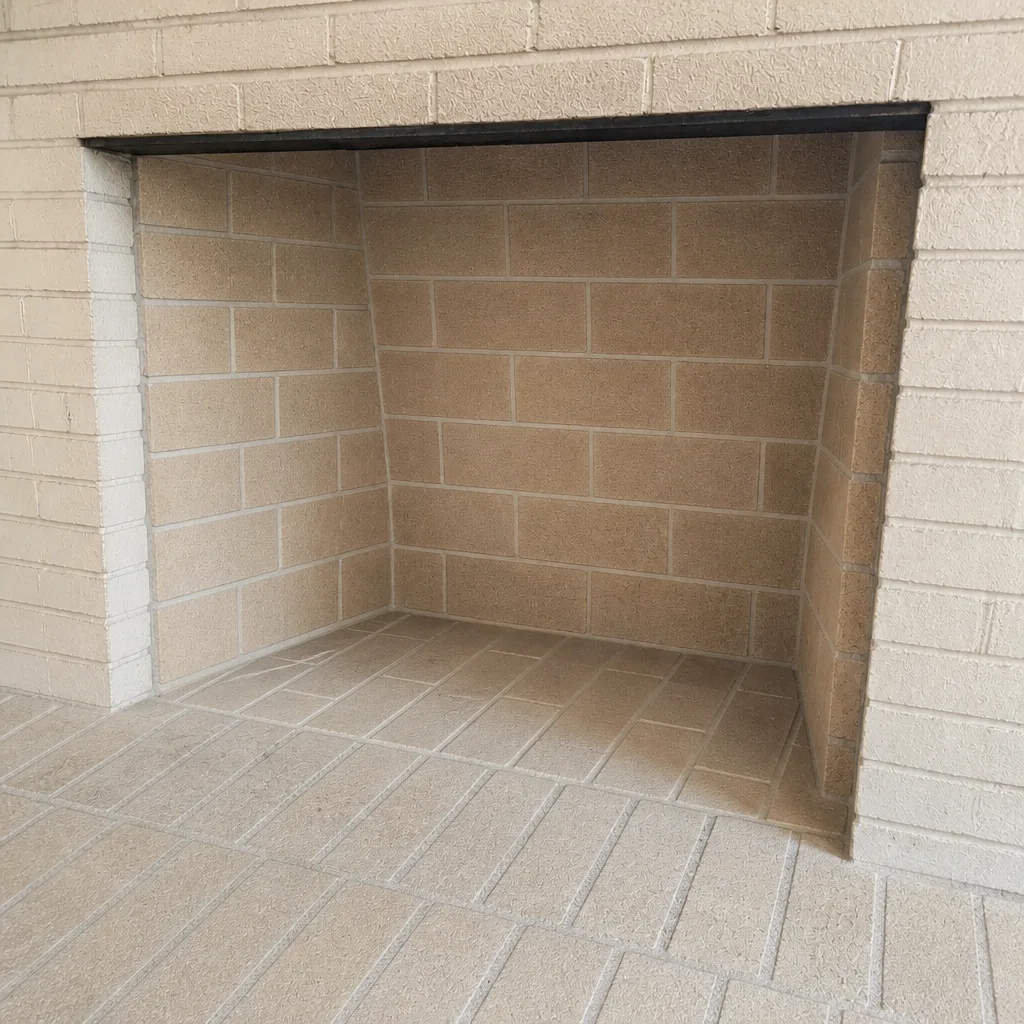
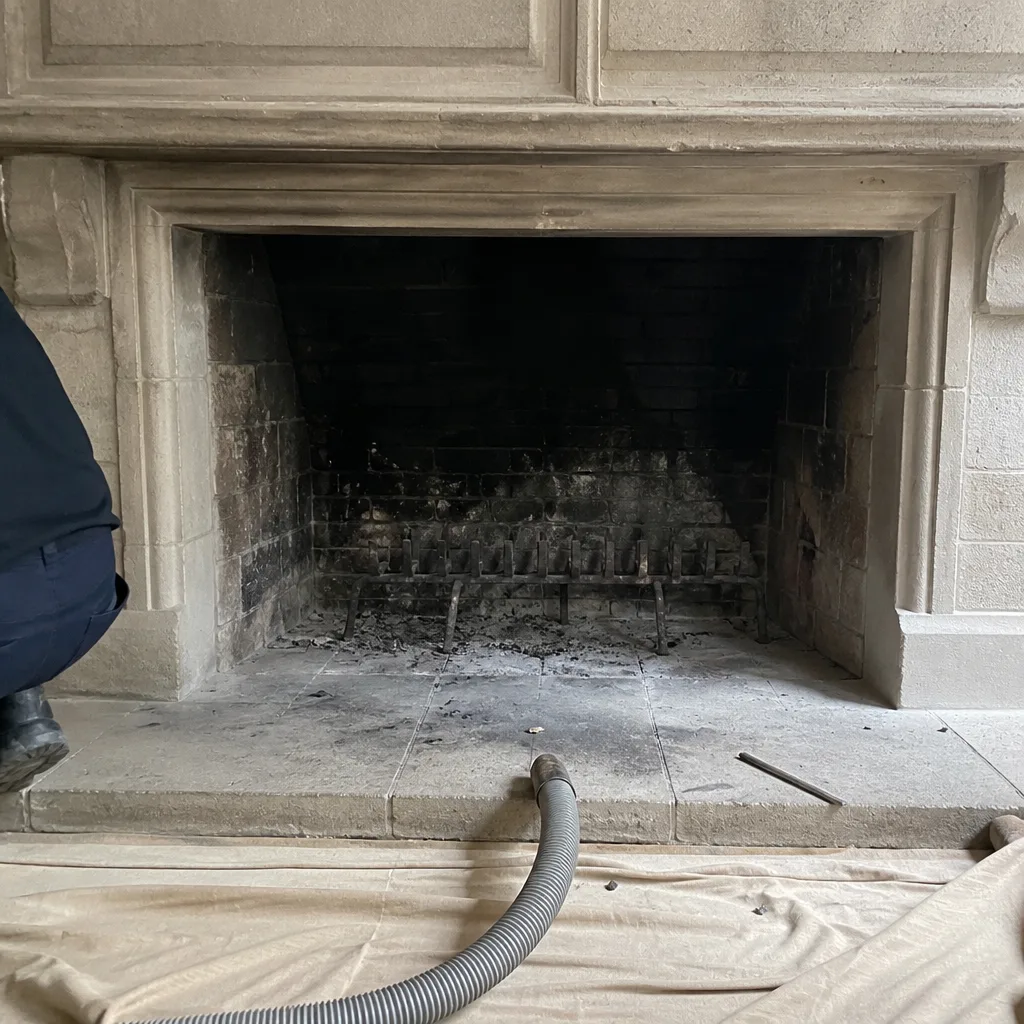
See the difference
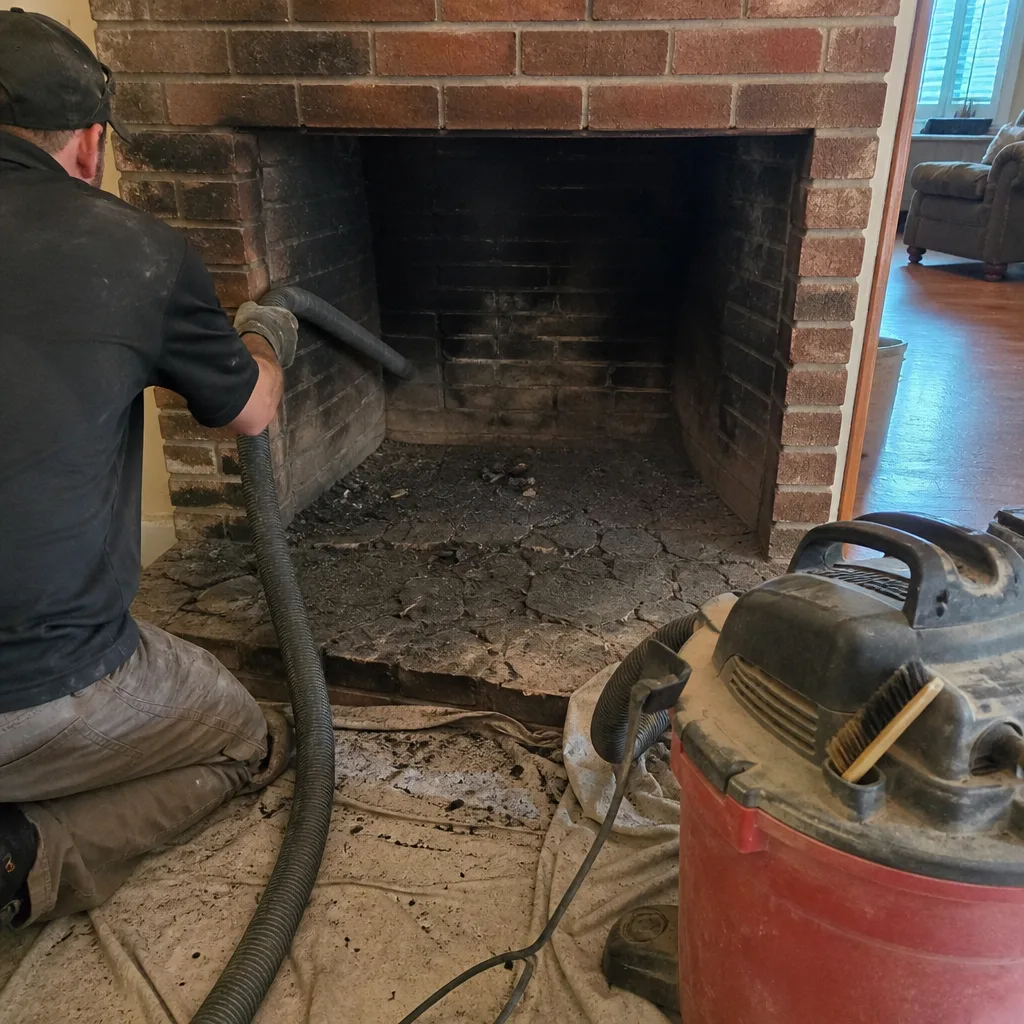 Before
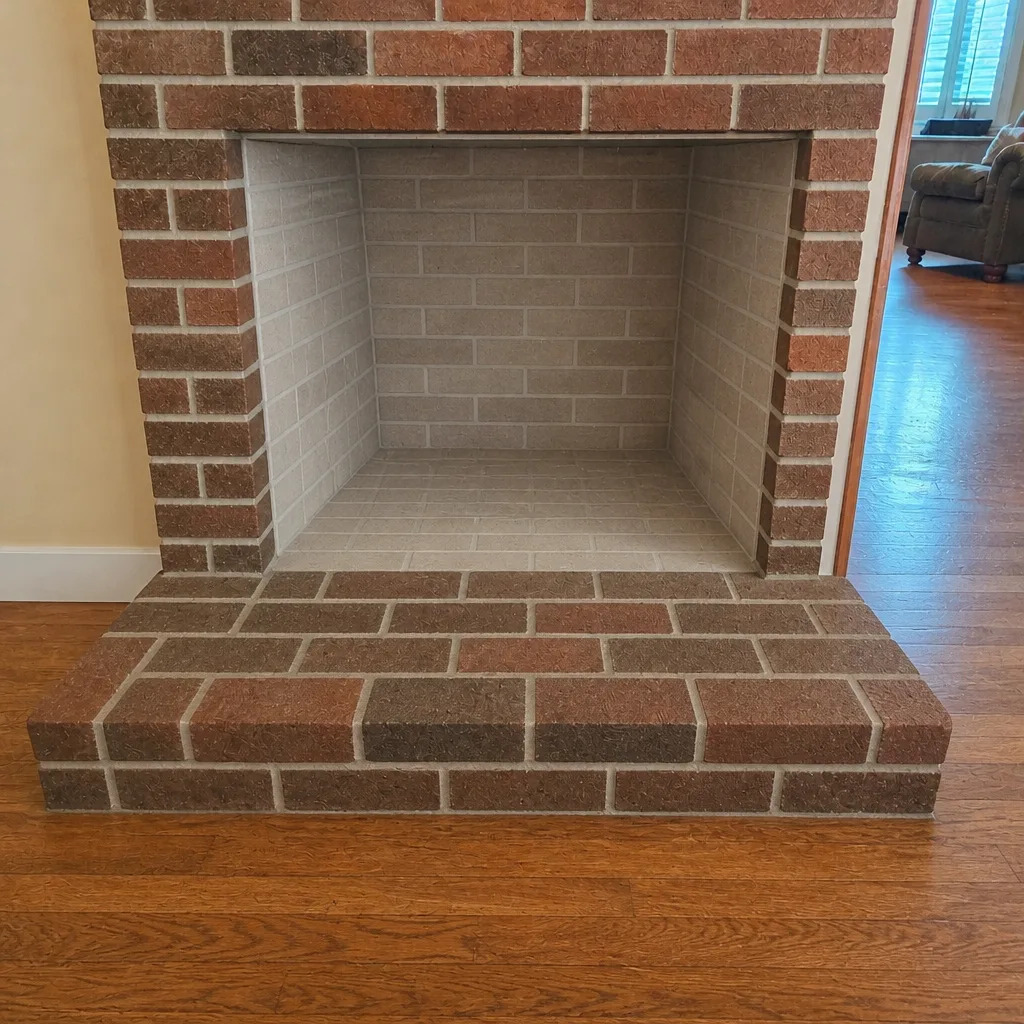 After
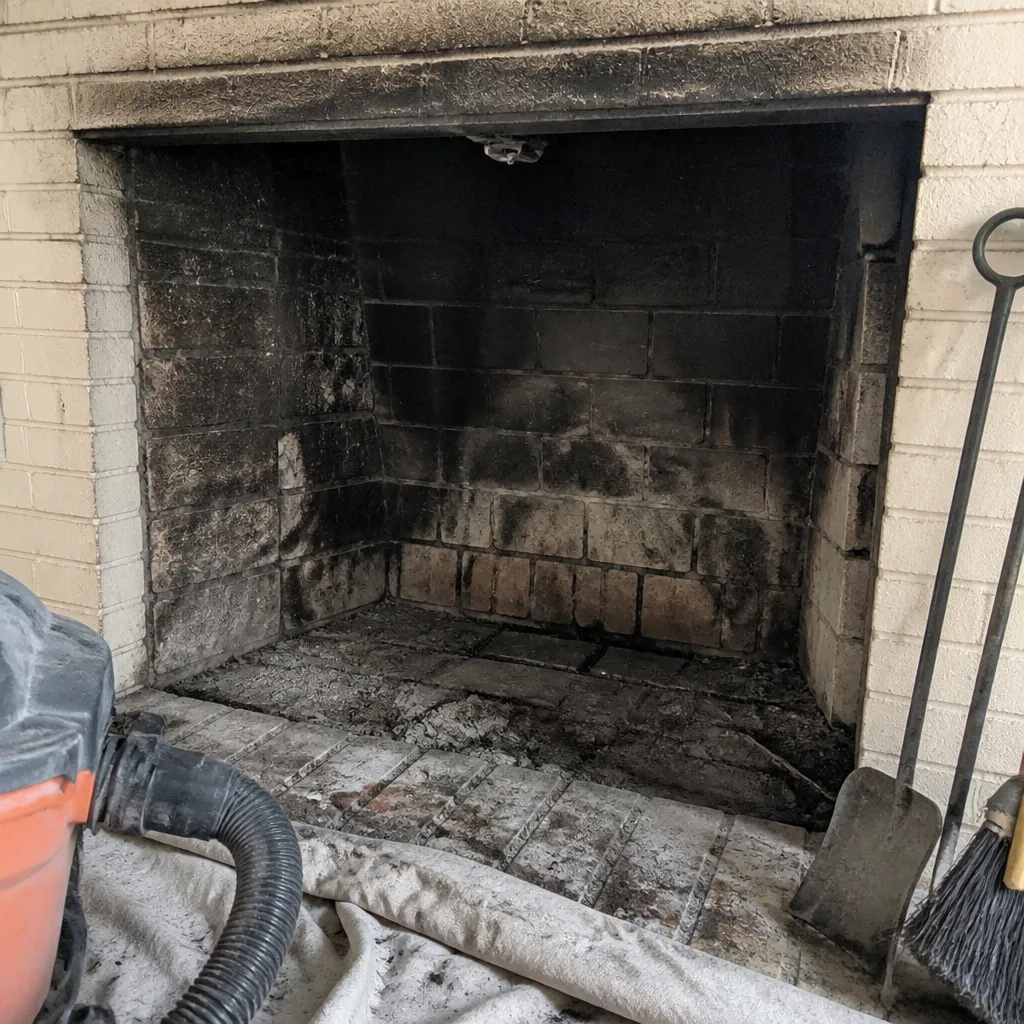 Before
 After
 Before
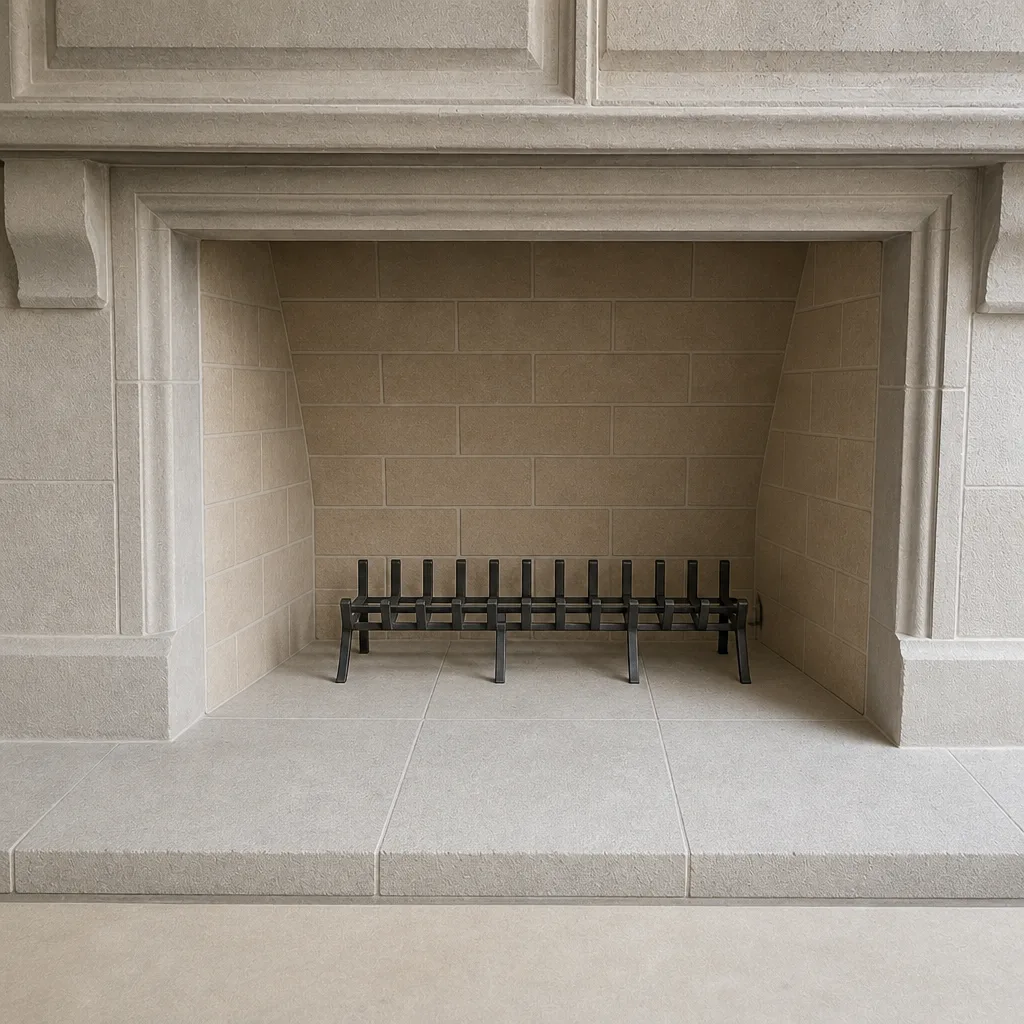 After
When to Call a Professional
Call a professional for any of the following: a crack in the crown that goes deeper than hairline, a cap that’s visibly damaged or missing, mortar or brick fragments on the ground near the chimney base, water stains near the chimney on the ceiling or in the firebox, smoke that won’t draft properly, a smell of creosote in the house, or any chimney over a year since its last inspection. If you can’t remember the last time the chimney was checked, that’s the same answer. On the safety side, never reach into the flue, never attempt a repair on the cap or crown without fall protection, and never operate a fireplace whose flue condition you can’t confirm. Chimney Sweep Bluffview offers free estimates in Bluffview – call (866) 901-7504. We answer 24/7. Fast dispatch from 7am to 7pm, Sunday through Friday.
Frequently Asked Questions
Sweep once a year if you burn a cord or more per season, or any time the inspection finds about an eighth inch of creosote. Homes burning only a handful of fires a year can often go longer between sweeps, but the annual inspection should still happen. Call (866) 901-7504 for an exact quote – estimates are free.
Yes. In Bluffview’s climate, the exterior of the chimney ages year-round even when the fireplace is idle – sun, humidity, and hail all do their damage while the firebox stays cold. The inspection is how you catch crown cracks and flashing problems before they turn into interior water damage. Call (866) 901-7504 for an exact quote – estimates are free.
Creosote builds without a visible signal, and the exterior components (cap, crown, flashing) can fail without any change inside the firebox. Skipping the check means finding out about both the hard way – a chimney fire or a slow water leak. Neither is guaranteed, but both are far cheaper to prevent. Call (866) 901-7504 for an exact quote – estimates are free.
Hail is the most common cause of chimney cap damage in North Texas – the mesh dents, the top plate bends, and the cap either comes loose or stops keeping water out. Check the cap from the ground with binoculars after any significant hail event, and book an inspection if anything looks off. Call (866) 901-7504 for an exact quote – estimates are free.
A sweep removes creosote and debris; an inspection evaluates the whole system – flue, liner, cap, crown, flashing, firebox – and is what tells you whether a sweep is even needed. In our practice, every visit starts with the inspection so the sweep and any repairs are scoped accurately. Call (866) 901-7504 for an exact quote – estimates are free.
It depends on what a camera inspection finds. HeatShield resurfacing is designed to restore a deteriorating flue liner without full liner replacement, and it’s a cost-effective solution for many chimneys – but a flue with structural damage or gaps that can’t be sealed needs a new liner. We’ll show you the camera evidence and tell you which your chimney actually needs. Call (866) 901-7504 for an exact quote – estimates are free.
The Bottom Line
A Bluffview chimney needs maintenance timed to this climate, not a generic calendar. Inspect in early fall, sweep after the last burn of spring, and check the cap, crown, and flashing after every hail event. Do the interior checks you can safely do from inside your home, and call a professional for anything on the roof or in the flue. Log every service with dates and product names – it pays off at sale or claim time. Skip the annual inspection at your own risk, and never put off a visible crack in the crown or a broken cap. Chimney work only, from a specialist who inspects first and recommends only what the chimney actually needs.
Call (866) 901-7504 for a free estimate. We answer 24/7. Fast dispatch from 7am to 7pm, Sunday through Friday.
Written by the team at Chimney Sweep Bluffview.