
Last updated November 23, 2026
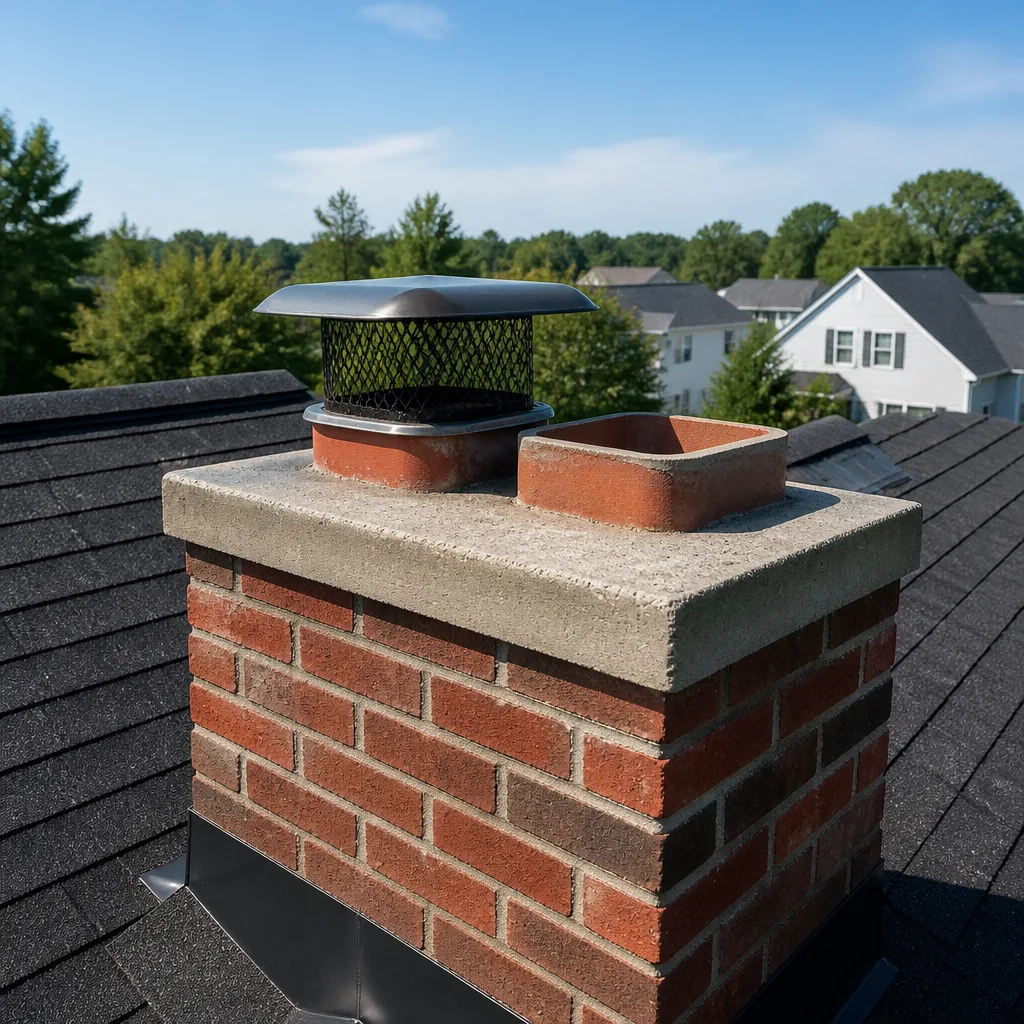 Sweep & inspection
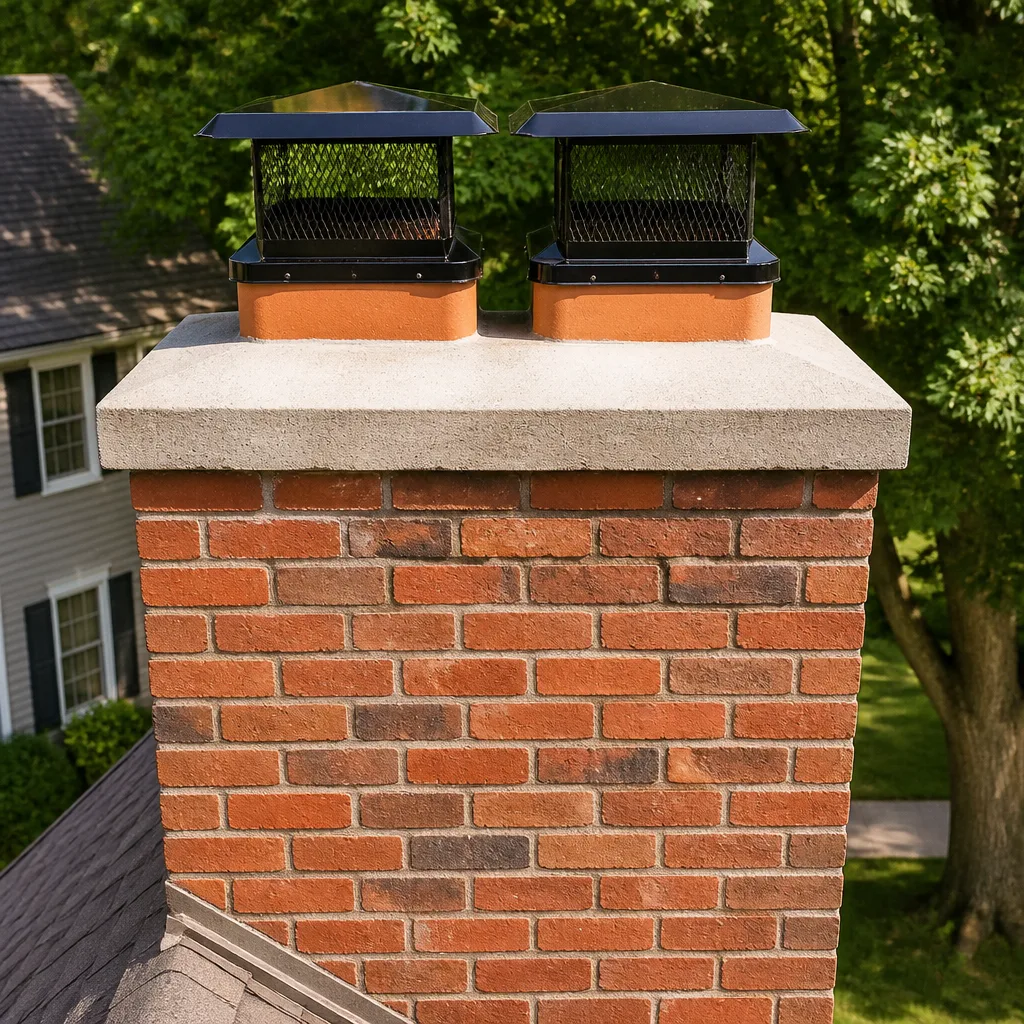 Caps & crowns
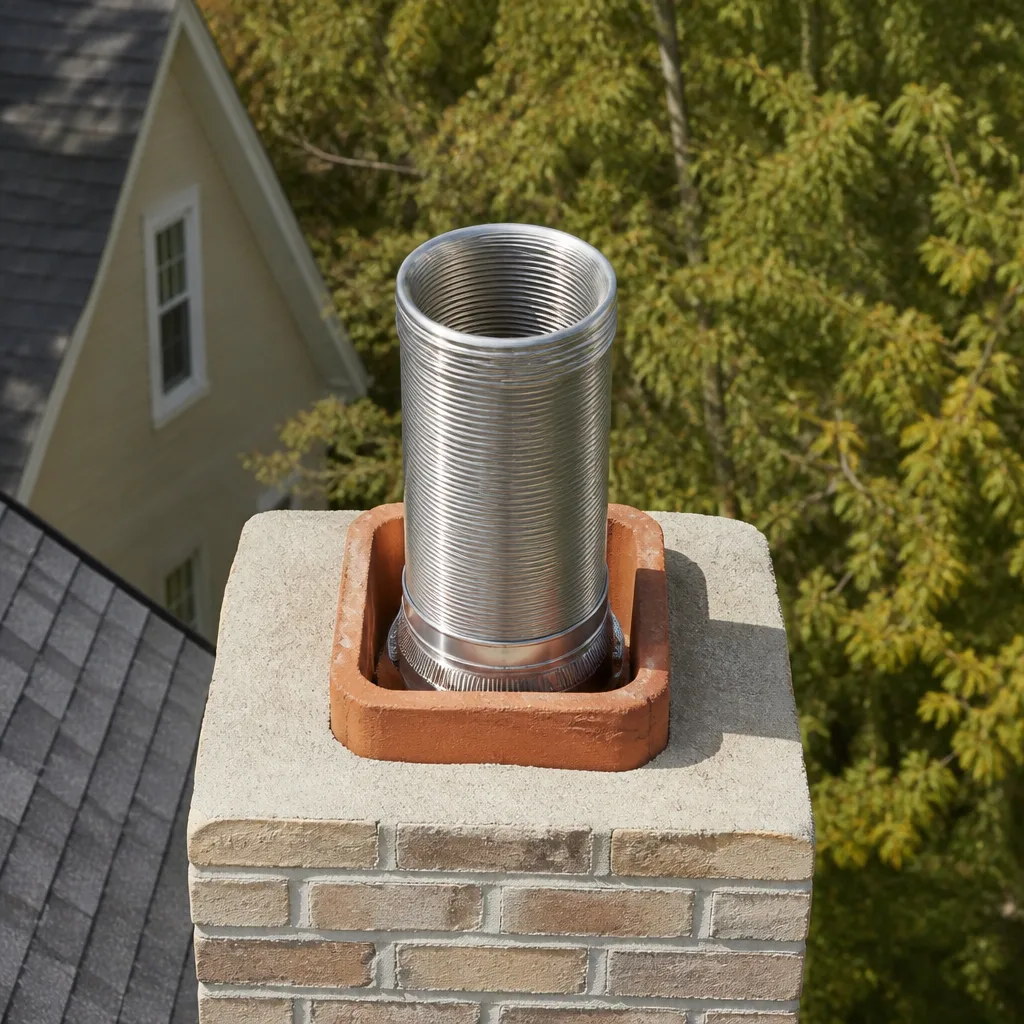 Flue relining
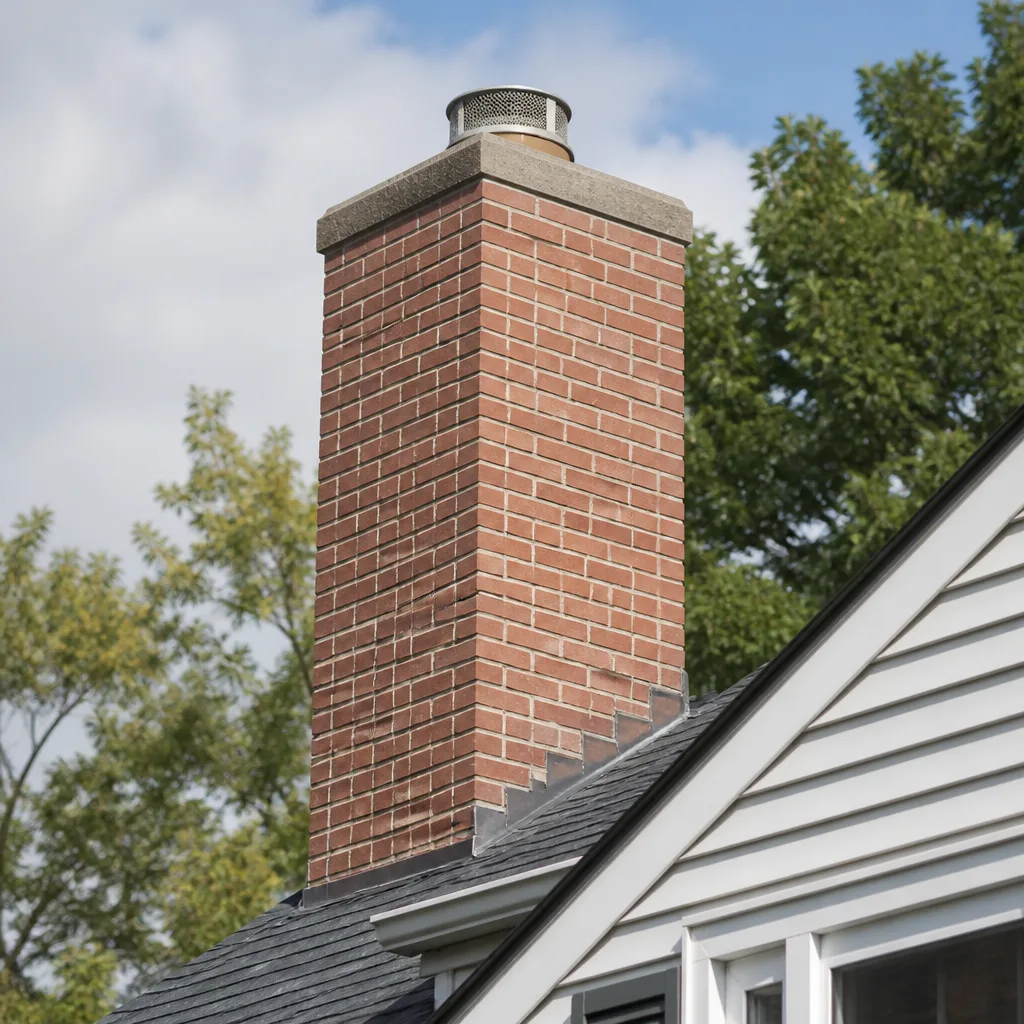 Masonry repair
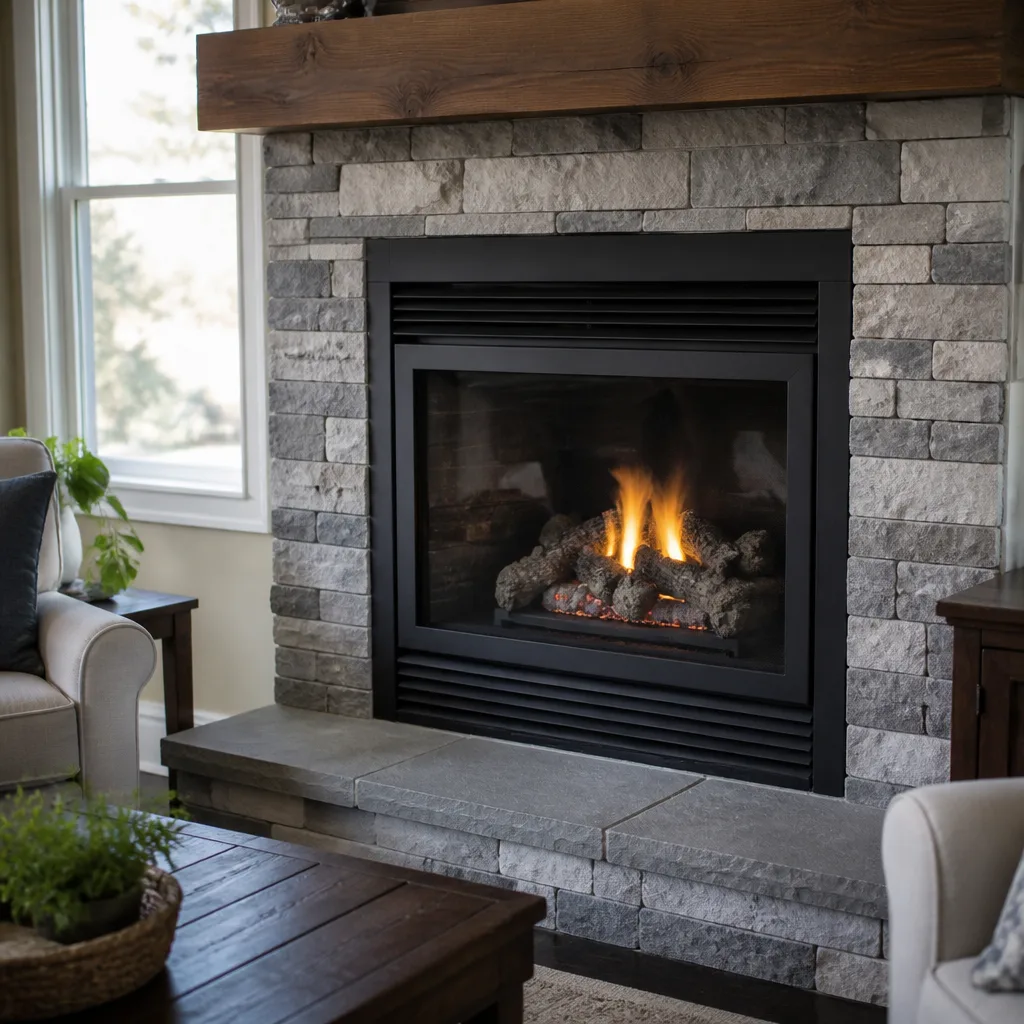 Gas fireplace service
Level 1 sweep and inspection to the NFPA 211 annual standard - flue, crown, cap, and flashing checked and photographed
Chimney sweep logs do not sweep chimneys. They loosen some creosote - which then falls where a brush and vacuum still have to collect it.
Seasonal Chimney Cleaning Care for Bluffview: Year-Round Homeowner’s Guide
Most homeowners in Bluffview think about the chimney twice: once when they light the first fire of the season, and once when something smells wrong. That leaves roughly eight months a year when nobody looks at the one part of the house exposed to rain, heat, insects and nesting animals from every direction. The fireplace season here runs short. The damage runs long. This guide walks through what a chimney actually needs month by month in Bluffview, from the post-season cleanup in March to the pre-season inspection in September, so you can catch small problems while they’re still small and understand what to do when they aren’t.
Quick Answer
Seasonal chimney care in Bluffview works best on a two-visit rhythm: a sweep and inspection in early spring after the last fire, and a second check in early fall before the first one. Spring is when you stop moisture and animals from settling in for the summer. Fall is when you confirm nothing moved or cracked while the chimney sat idle, and it’s the better time to schedule because September openings are easier to get than December ones. Year-round care for a typical masonry chimney here comes down to water management, airflow and annual inspection.
Styles & brands we work with
- Sweep & inspection
- Caps & crowns
- Flue relining
- Masonry repair
- Gas fireplace service
Table of Contents
- Why the Dormant Months Matter More Than the Burn Season
- March: The Post-Season Shutdown Checklist
- Summer in North Texas: Heat, Mortar and Nesting Animals
- How Bluffview’s Occasional Hard Freezes Crack Mortar
- Why September Beats December for Your Annual Sweep
- The Fall Pre-Season Checklist
- Winter: Using the Fireplace Without Wearing It Out
- What “Year-Round Care” Actually Means for Your Chimney
Why the Dormant Months Matter More Than the Burn Season
A chimney doesn’t fail from use. It fails from what happens between uses. Wood smoke leaves creosote in the flue, which is the fire risk people already know about. But the structural damage in a Bluffview chimney almost always traces back to the eight months a year it sits warm on the outside, cool on the inside, wet from the top, and completely unobserved.
Here’s what’s working on your chimney while you’re not using it:
- Water from above. A missing or loose cap lets rain straight into the flue. That water soaks into the mortar joints and the brick, which is where most expensive chimney repairs begin.
- Sun and heat cycling. North Texas summers push brick and mortar through daily expansion and contraction. Mortar is softer than brick, so it moves first and cracks first.
- Animals. An uncapped flue is an open chimney-shaped cave. Birds, squirrels and raccoons find it, and the nest material they leave behind is both a blockage and a fire hazard the next time you light up.
- Dust and debris. Fallen leaves, twigs and broken flue tile collect in the smoke chamber over the summer and wait for you.
The system is designed to shed water and vent smoke. It isn’t designed to sit open to the sky for eight months with nobody looking at it. That’s the whole reason a two-season routine works better than one annual sweep in Bluffview: the spring visit resets the chimney for dormancy, and the fall visit verifies it came through intact.
March: The Post-Season Shutdown Checklist
When the last fire of the year goes out, the chimney is holding everything the season deposited: creosote on the flue walls, ash in the firebox, and moisture from the final weeks of burning. Leaving that in place through the summer is what sets up the problems you find in the fall.
This is the sequence we walk through for a post-season shutdown in Bluffview:
- Schedule the sweep right after the last fire. Creosote is easiest to remove before it hardens over the summer, and a spring sweep gives you a clear look at the flue for the rest of the year.
- Get a camera inspection at the same visit. A camera goes up the flue and records what it sees. That record is how you tell, months later, whether a crack was already there or appeared during the summer.
- Empty the ash pit and firebox completely. Leftover ash pulls moisture out of the air and holds it against the firebrick.
- Check the damper closes fully. A damper that hangs slightly open lets humid summer air and insects into the firebox all season.
- Look at the cap and crown from the ground. A chimney cap is your lid. If it’s missing, cracked or loose, that’s the single most important thing to fix before summer. We fit caps from Gelco and Famco because a properly fitted cap is what keeps rain, birds and squirrels out for the whole dormant season.
- Clear the firebox and hearth area. Nothing stored in front of or inside the firebox all summer, and no furniture pushed against the hearth.
- Note anything odd for the fall visit. A stain on the ceiling near the chase, a smell in the firebox, a loose brick on the exterior. Write it down now so the fall inspection can confirm or rule it out.
That visit accomplishes two things. It removes the creosote while the flue is still dry, and it gives you a dated record of the chimney’s condition going into dormancy. If a problem shows up in September, you’ll know whether it’s new.
Summer in North Texas: Heat, Mortar and Nesting Animals
Summer is the season most homeowners skip entirely, and it’s the one doing the most quiet damage. North Texas heat does two things to a chimney: it drives daily expansion and contraction through the brick and mortar, and it opens the flue to everything that wants shelter.
How heat works on mortar
Brick and mortar have different expansion rates. When the outside of the chimney heats up through the day and cools at night, the mortar joint moves more than the brick around it. Over a summer of that, hairline cracks open along the joints. From the ground, those cracks look cosmetic. Up close, they’re the entry point for the rain that follows.
Masonry chimneys with a fully intact crown and cap handle summer heat far better than ones with a cracked crown or a missing cap, because the second group is getting wet on top of getting hot. That combination is the fastest path to spalling brick, where the face of the brick flakes away.
Why an uncapped flue is an animal problem
An uncapped flue is a warm, dry, elevated cavity with a built-in entrance. Chimney swifts, squirrels, raccoons and starlings all find it. Nests left in a flue through the summer are a blockage waiting for your first fall fire, and the material itself burns. Raccoons in particular can leave a strong smell in the firebox that carries into the house.
If you hear scratching, chirping or flapping from the chimney in summer, call before you do anything else. Never light a fire to “flush out” an animal in the flue. That’s how chimney fires start.
What a summer check actually covers
- Cap present, fitted and secure
- Crown intact with no visible cracking
- No animal activity at the flue top or in the firebox
- Damper seated and sealing
- Exterior brick and mortar visible from the ground
None of this requires climbing anything. A ground-level look every couple of weeks through summer catches most of it, and a professional inspection in late summer confirms the rest.
How Bluffview’s Occasional Hard Freezes Crack Mortar
Bluffview winters are mild overall, and that’s exactly why the occasional hard freeze causes more damage than people expect. A chimney in a sustained cold climate gets frozen and thawed repeatedly, but the masonry is also built with that in mind. Here, a masonry chimney spends most of the winter above freezing, then gets hit by a short, sharp freeze that drives moisture deep into mortar joints and brick pores.
The damage pattern looks specific:
- Mortar joints crack and spall. Moisture sitting in a mortar joint freezes, expands and pushes the joint apart. On the next thaw it doesn’t close back up. Repeat that over a few winters and the joint is a wide, soft crack.
- Brick faces flake. When a brick has absorbed water deeply enough and freezes, the face of the brick can spall off in a thin layer. That leaves a rough, porous surface that absorbs more water next time.
- Flue tile cracks. Clay flue tiles are far more vulnerable to a short freeze than the outer chimney. A hairline crack in a flue tile lets heat and gases out of the flue, which is where a chimney fire can reach the framing.
- Wash on the crown. A crown that isn’t sloped properly holds water. When that water freezes, the crown cracks and the crack gets bigger each winter.
The upside is that all four of those failure modes depend on water getting in, and water is what a proper cap and crown prevent. That’s why we treat chimney cap & crown work as part of seasonal care, not a separate project. A chimney that stays dry simply doesn’t take the freeze damage a wet one does.
When those cracks are already there, the flue itself often needs attention. HeatShield resurfacing restores a deteriorating clay flue liner from the inside without pulling the whole liner out, which is cheaper than full relining and structurally sound when the assessment shows the original liner can be saved. In a case where the liner is too far gone, a DuraFlex flexible liner system is the standard relining option.
Why September Beats December for Your Annual Sweep
Scheduling the annual sweep in September instead of December does three things at once. It catches anything the summer left behind, it gives you time to fix it before the first fire, and it means the visit happens when the schedule isn’t slammed.
Here’s the case for September:
- You have room to act. If the inspection turns up a cracked flue tile or a corroded damper, you have weeks to decide what to do. In December, the same finding means deciding in a hurry or lighting the fire anyway.
- You catch summer problems before the first fire. Animals, loose caps, cracked crowns and water intrusion are all spring and summer issues. A September sweep catches them before they become a winter chimney fire or a carbon monoxide problem.
- The schedule is easier. Most people in Bluffview call in November or December after the first cold snap. September openings are more flexible, and the visit isn’t rushed.
- Creosote is still manageable. Creosote that sits from the end of one season into the next gets harder and more stubborn. A September sweep stays ahead of it.
- You go into the season clean. A chimney that’s swept, inspected and dry in September gives you a baseline. Anything that changes during the season is a signal, not a mystery.
If September has already passed, don’t skip the sweep. A December visit still beats no visit, and we can work around your fire schedule. September is simply the easier version.
The Fall Pre-Season Checklist
This is the checklist we recommend for Bluffview homeowners the month before the first fire. It’s the shortest version of seasonal care, and it’s the one that catches the problems that actually become dangerous.
- Visual check at ground level. Look for brick that has moved, mortar missing from joints, anything sitting on top of the cap.
- Flue inspection with camera. Confirms the flue is clear and shows whether summer heat or animal activity caused any changes.
- Damper check. Open and close it fully once. It should move smoothly and sit flush when closed.
- Cap and crown condition. Cap intact, crown intact with slope to shed water. If either is missing or cracked, get it addressed before the season starts.
- Smoke chamber and firebox. No debris, no animal nest material, firebrick intact.
- Chimney sweep. Full sweep before the first fire to clear whatever the dormant season brought in.
- Carbon monoxide detector check. Every home with a fireplace should have one working detector, regardless of how the chimney looks.
This is the point where an inspection-first approach pays off. A generalist or handyman tends to write an estimate for a liner replacement based on a look from the ground. We start with a camera inspection and a written report with photos, so the recommendation is based on what’s actually visible inside the flue, not what the outside suggests. If it doesn’t need work, we tell you, and you wait until it does.
Winter: Using the Fireplace Without Wearing It Out
Fires in Bluffview are less frequent than in colder climates, and that changes the way the chimney ages. Your season is short and intermittent, which means more start-and-stop cycles and more idle time between fires. Here’s how to use the fireplace without adding to the wear.
- Burn seasoned hardwood. Unseasoned wood creates more creosote. Look for split, kiln-dried or otherwise well-seasoned logs, and avoid the “free wood” from tree trimming that hasn’t cured.
- Don’t smolder fires. A fire that smolders all evening produces far more creosote than a hot, brisk burn. Build a hot fire, let it burn clean and let it go out.
- Keep the damper open until the fire is fully out. Closing it early pushes smoke and unburned gases into the firebox instead of up the flue.
- Watch for smoke coming into the room. A fireplace that used to draft well and doesn’t is telling you something changed. Check the flue before the next fire.
- Keep creosote buildup within limits. If you burn a few times a week through a season, you may need more than one sweep. In our experience, the chimney tells you if you check it.
- Watch for the smell of smoke in warm weather. A strong smoke smell in a house during warm weather, outside of using the fireplace, is a sign the flue is blocked or the damper isn’t sealing.
If you smell smoke when the fireplace is off, stop using it until it’s been inspected. A blocked flue pushes carbon monoxide back into the house, and that’s a genuine safety issue, not a nuisance.
What “Year-Round Care” Actually Means for Your Chimney
Real year-round care is a rhythm, not a routine. Here’s the entire thing in one view, for a typical masonry chimney in Bluffview:
- March: Post-season sweep, camera inspection, cap and crown check, firebox cleared.
- May and July: Quick ground-level look at cap and crown; listen for animal activity.
- September: Pre-season inspection, sweep if needed, any repair work completed before the first fire.
- October through February: Burn sensibly, keep the damper working, check the smoke smell.
That’s it. That’s the whole annual routine, and it’s the difference between a chimney that needs a routine sweep and one that eventually needs major structural work. Chimneys don’t decay on a schedule. They decay when water gets in and stays in, or when creosote builds up and gets hot. Year-round care targets both of those, and everything else is secondary.
That’s also why we specialize in chimneys and fireplaces only. If your chimney is the only thing we do, it’s the only thing we get good at. Our technicians bring up to 13 years of experience, and we work with professional materials for every part of the system: Gelco and Famco caps, HeatShield for resurfacing, DuraFlex for relining, and Olympia Chimney and Copperfield supply lines for the rest. Whether the fix is a sweep, a crown repair, a resurfacing job or full fireplace repair, it stays in one scope with no handoffs. When you’re ready to book the seasonal sweep, start with the chimney sweep page for the details and pricing, or read more about how we handle the whole system at Chimney Sweep Bluffview.
Common Mistakes to Avoid
- Waiting until December to schedule. The first cold snap is when everyone calls. Scheduling in September catches summer damage with time to fix it and gets you a more flexible appointment.
- Skipping the sweep when the fireplace “looked fine.” You can’t see creosote from the hearth. It lives in the flue, above the firebox. Annual inspection is the only way to know.
- Leaving the flue uncapped through summer. This is the single cause that leads to most of the repairs we see. A cap is a small, cheap piece of metal that prevents water intrusion and animal nesting, and skipping it is expensive.
- Lighting a fire to flush out a bird or animal in the flue. Never. The nest material catches fire, and that’s a chimney fire in the making.
- Assuming a mild winter means the chimney doesn’t need a freeze check. The occasional hard freeze here cracks mortar more reliably than a sustained cold winter because the cycles are so short and sharp.
- Ignoring a new smoke smell in summer. A fireplace that smells of smoke when it’s not burning is telling you something. It’s either a blocked flue or a damper that isn’t sealing, and both need a look.
- Treating the chimney as a generalist job. Chimney care covers sweeping, caps, crowns, liner systems, resurfacing and masonry repair. A handyman who “does chimneys on the side” can’t tell you which of those your chimney actually needs.
See the difference
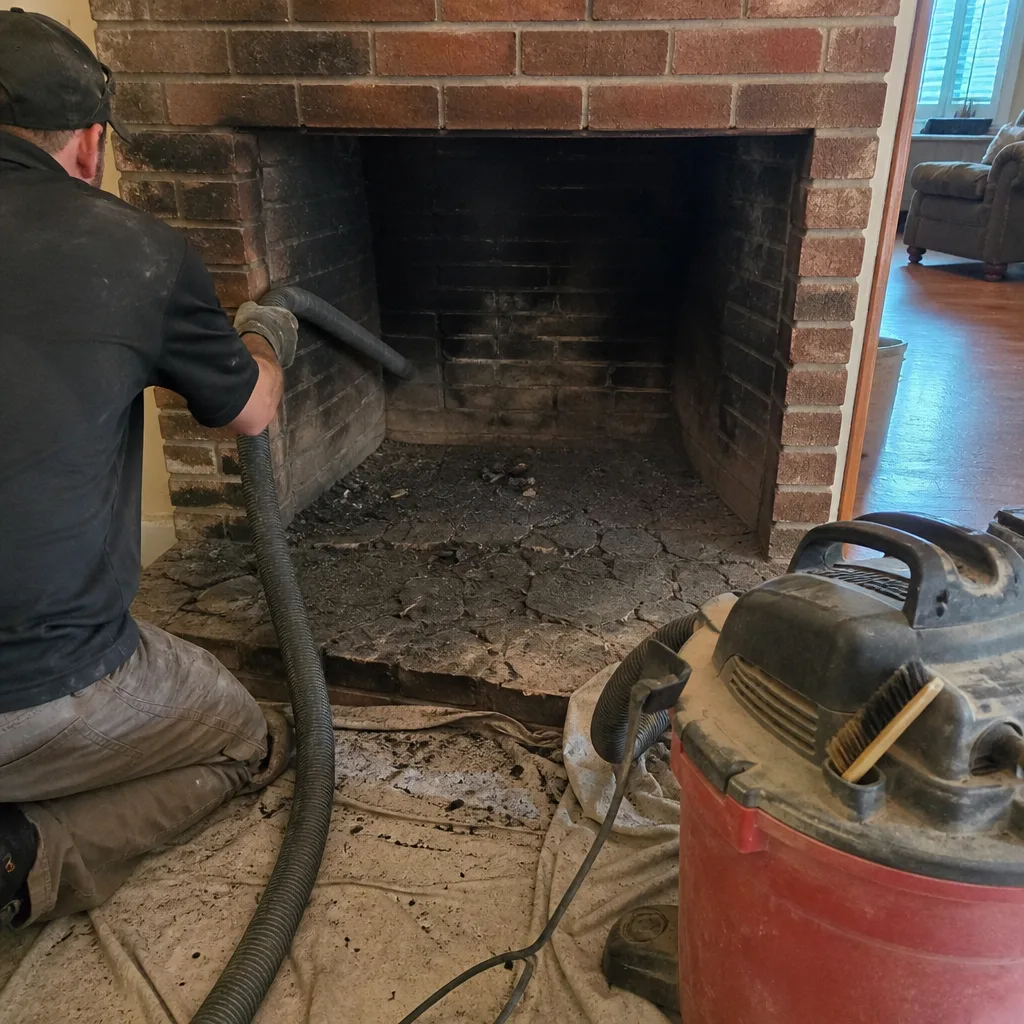 Before
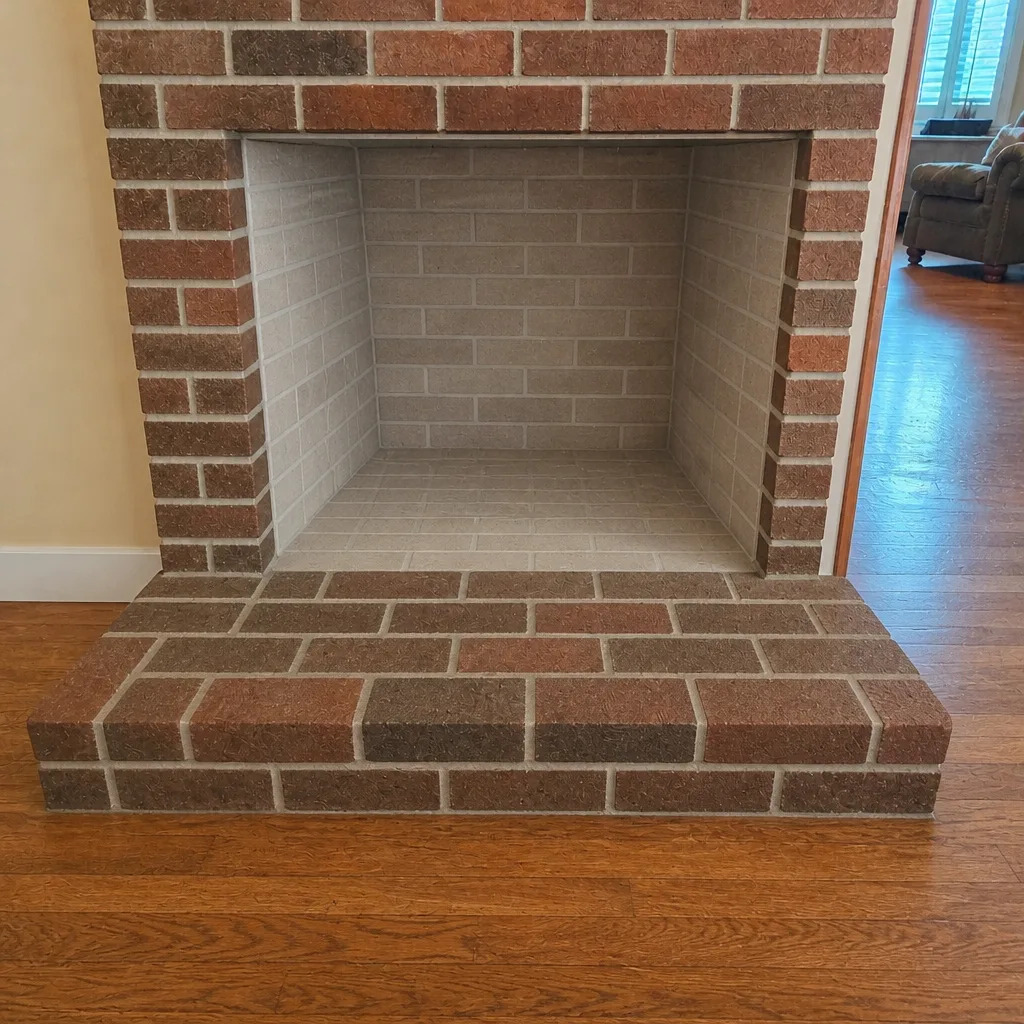 After
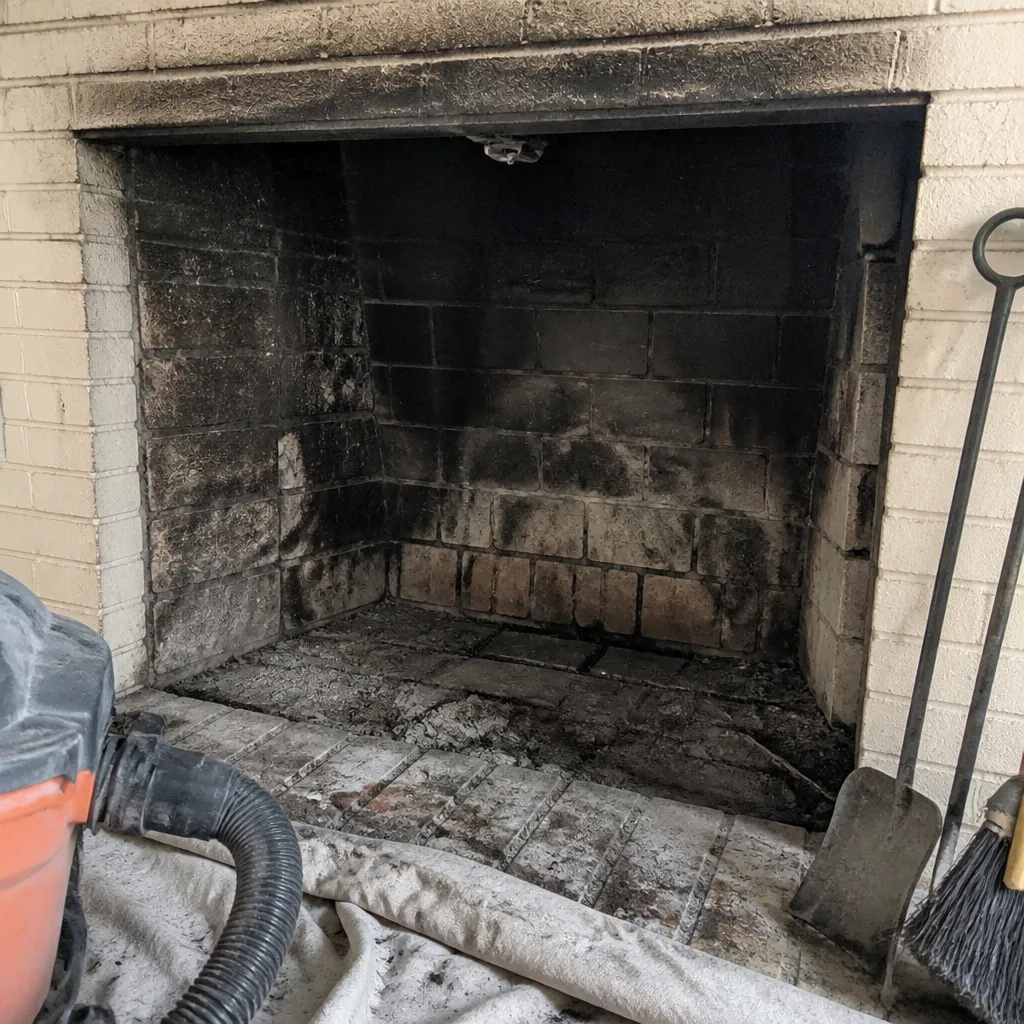 Before
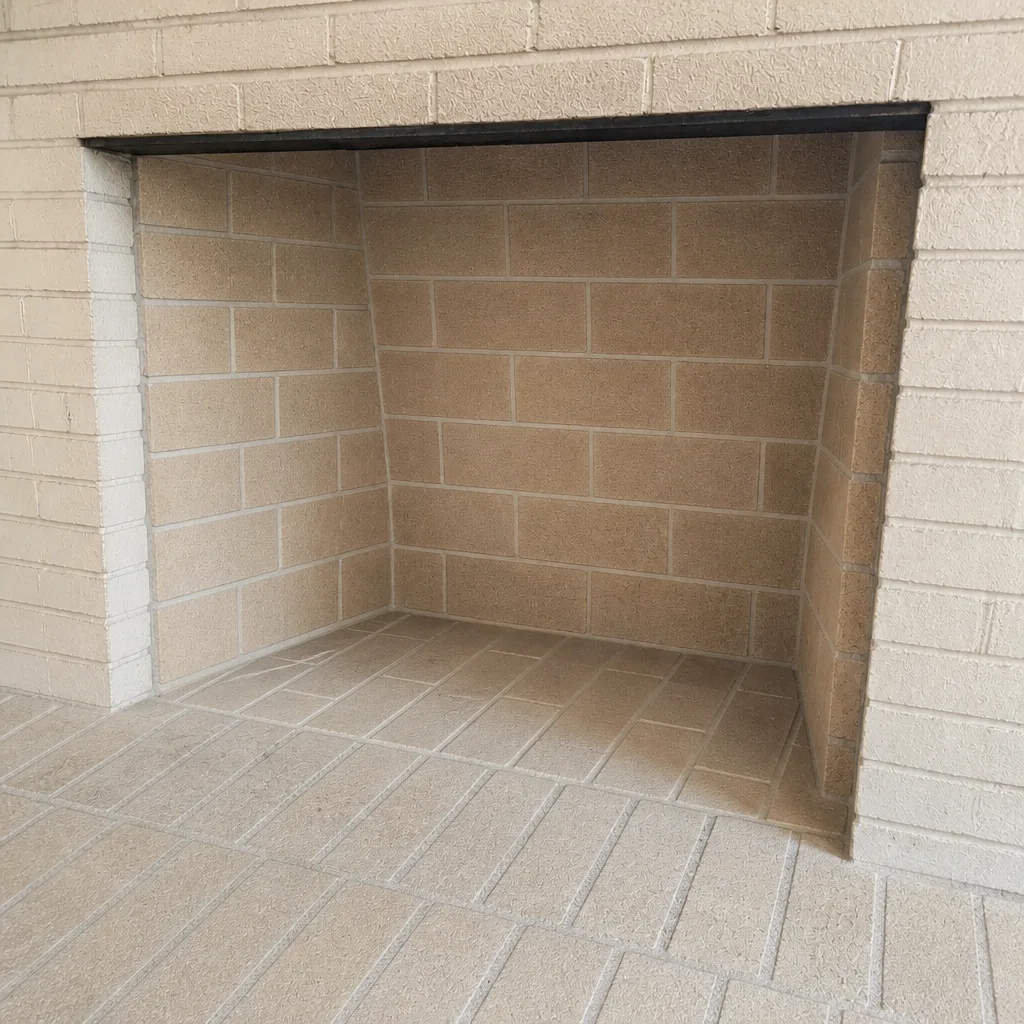 After
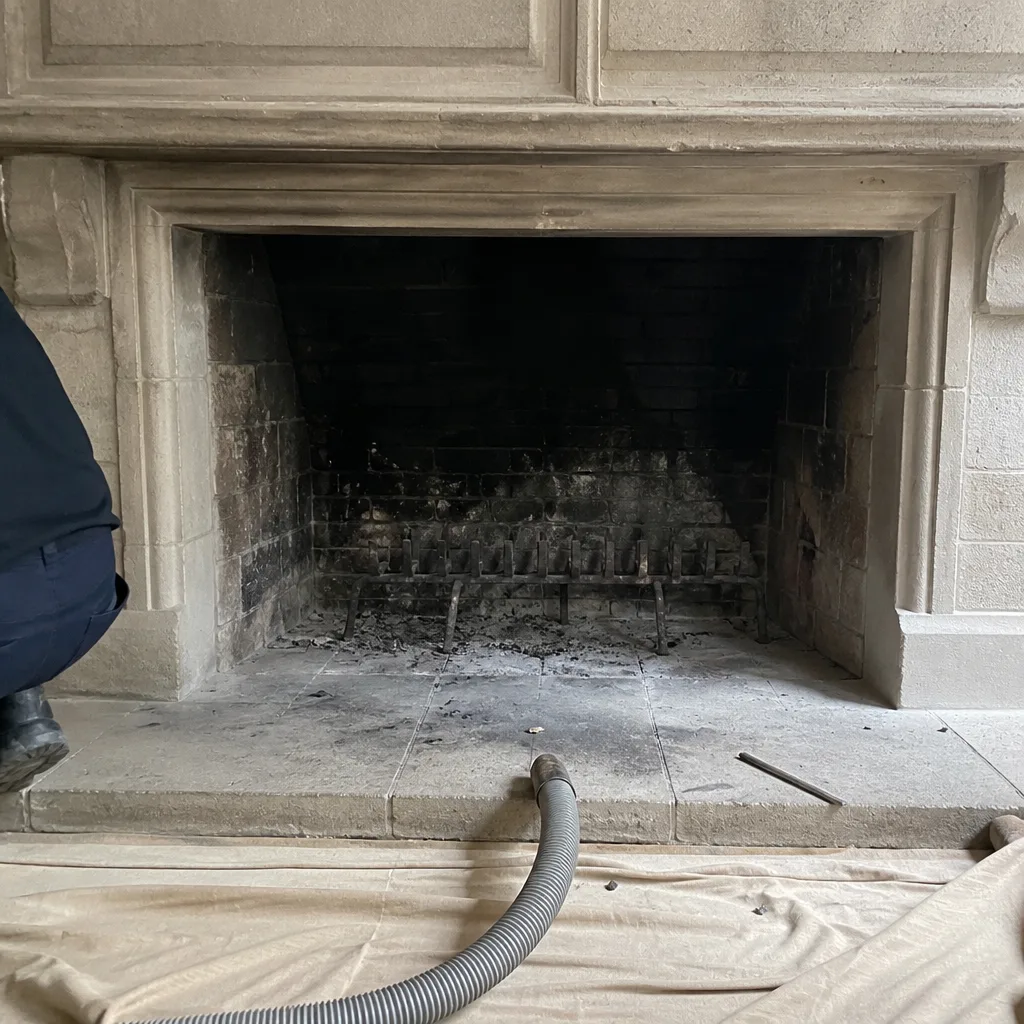 Before
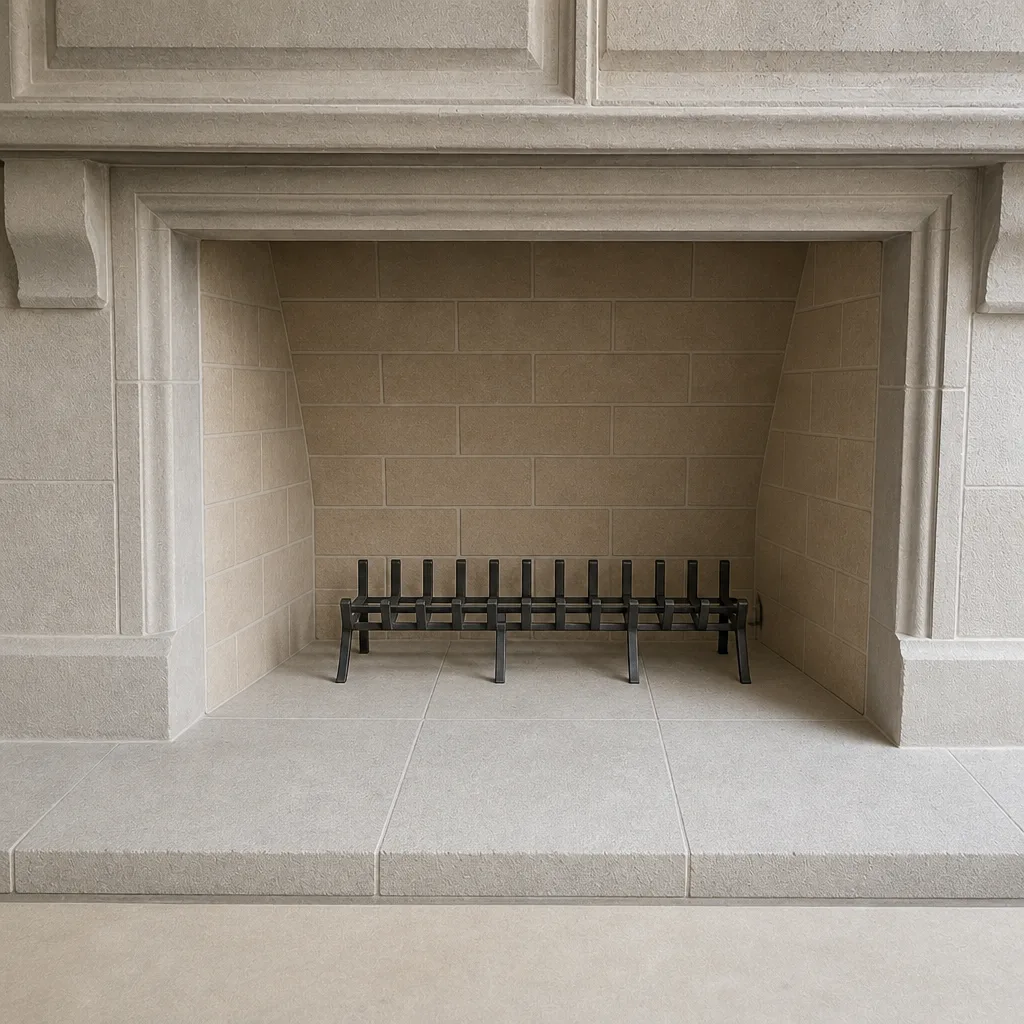 After
When to Call a Professional
Call a chimney professional if you haven’t had an inspection this year, if you see any change in the chimney from the ground (a moved brick, missing mortar, a cracked crown, something sitting on the cap), if you hear animal activity in the flue, if you smell smoke in the house when the fireplace is off, if the fireplace smokes into the room when you light it, or if you’ve burned heavily through a season and haven’t had a sweep. Call before you use the fireplace again, not after. Chimney Sweep Bluffview offers free estimates in Bluffview. Call (866) 901-7504. We answer 24/7. Fast dispatch from 7am to 7pm, Sunday through Friday.
Frequently Asked Questions
Once a year for a typical homeowner, and more often if you burn several times a week through the season. In Bluffview, we recommend splitting that into a spring sweep after the last fire and a fall inspection before the first one. A camera inspection at each visit is what tells you whether the schedule needs to change. Call (866) 901-7504 to book a sweep.
No, because even a few fires deposit creosote, and the chimney needs an annual inspection regardless of use. What matters more in a light-use house is the dormant-season check: cap, crown, damper and flue, all of which can develop problems without a single fire being lit. Call (866) 901-7504 for the inspection.
Small problems get worse, and you won’t see most of them from the ground. A missing cap lets water in all summer, which cracks mortar joints and degrades the crown through the freeze-thaw cycle. A damaged flue tile lets heat and gases reach the framing. Creosote builds up and becomes a fire risk. None of this shows itself until it’s expensive. Call (866) 901-7504 before you light the fireplace again.
September gives you time to fix what the inspection finds before the first fire, and the schedule is less crowded than December. If the inspection turns up a cracked flue tile or a degraded damper, you have weeks to decide rather than days. December still works if you’ve missed September, but September is the better appointment.
That depends entirely on what the camera shows. If the clay flue liner is intact and the problem is surface deterioration, HeatShield resurfacing can restore it without full replacement. If the liner is cracked through or separated, a DuraFlex flexible liner system is the standard fix. We don’t recommend a liner replacement without showing you the photos that justify it. Call (866) 901-7504 for an inspection.
Moisture, most of it getting in through an uncapped flue or a cracked crown during the eight months the chimney sits dormant. North Texas heat accelerates mortar deterioration through the summer, and the occasional hard freeze cracks joints that have taken on water. A properly fitted cap and a properly sloped crown prevent almost all of it, which is why we treat both as part of seasonal care rather than a separate repair.
The Bottom Line
Chimney care in Bluffview is mostly a question of timing. The fire season is short, but the dormant season is long and it’s when the real damage happens. A spring sweep and inspection after the last fire, a fall check before the first one, a cap and crown that stay intact through the middle, and a schedule that runs on September instead of December, and your chimney stays in the range where it just needs routine maintenance. Skip the dormant-season check and the repairs get more expensive and more structural. If you’d rather have a professional look than guess, that’s the whole reason we’re here.
Contact
If your chimney needs a seasonal sweep, a fall inspection or a second opinion on what a previous contractor recommended, call Chimney Sweep Bluffview at (866) 901-7504 for a free estimate. We start every visit with an inspection and a camera report, so you see exactly what your chimney needs and what it doesn’t. Our technicians bring up to 13 years of experience, and we handle the whole system in one scope, from sweeping through cap and crown work, liner repair, resurfacing and masonry. We answer 24/7. Fast dispatch from 7am to 7pm, Sunday through Friday.
Written by the team at Chimney Sweep Bluffview.