
Last updated November 23, 2026
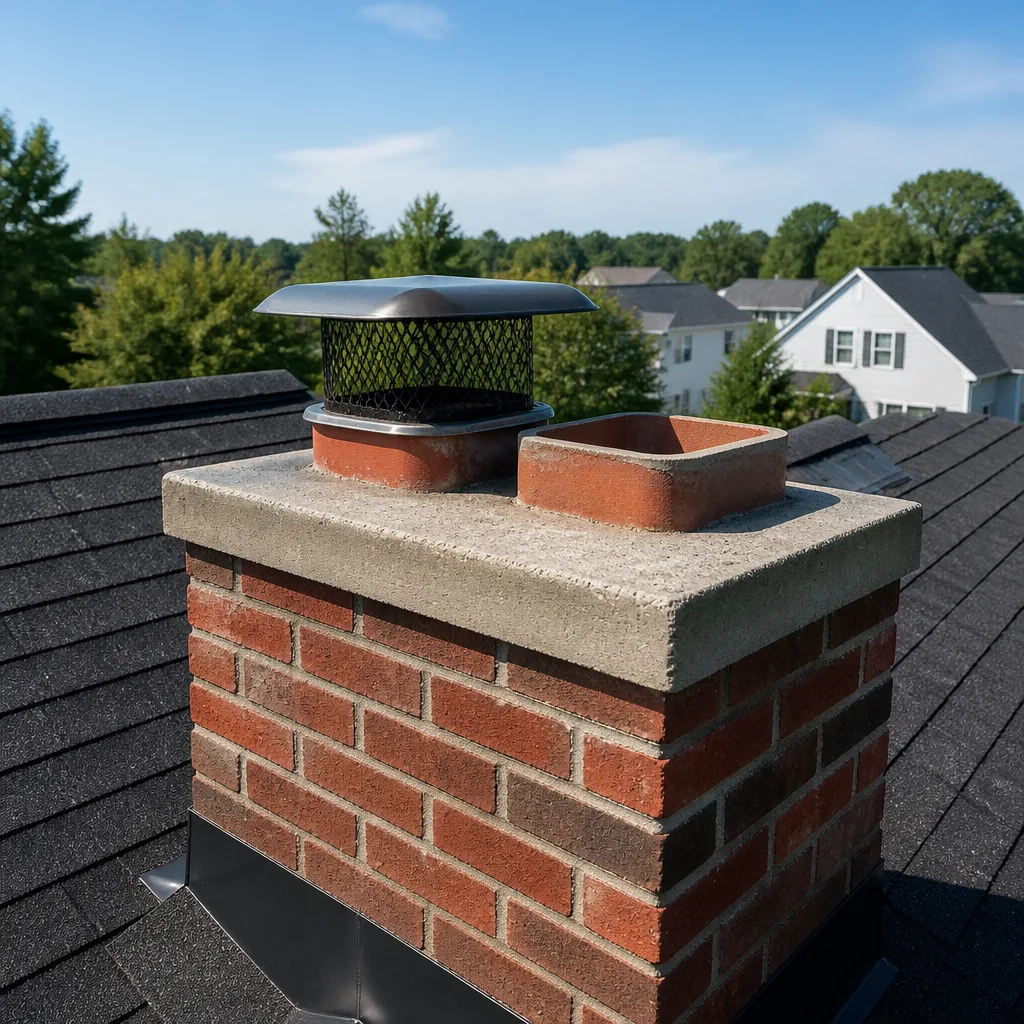 Sweep & inspection
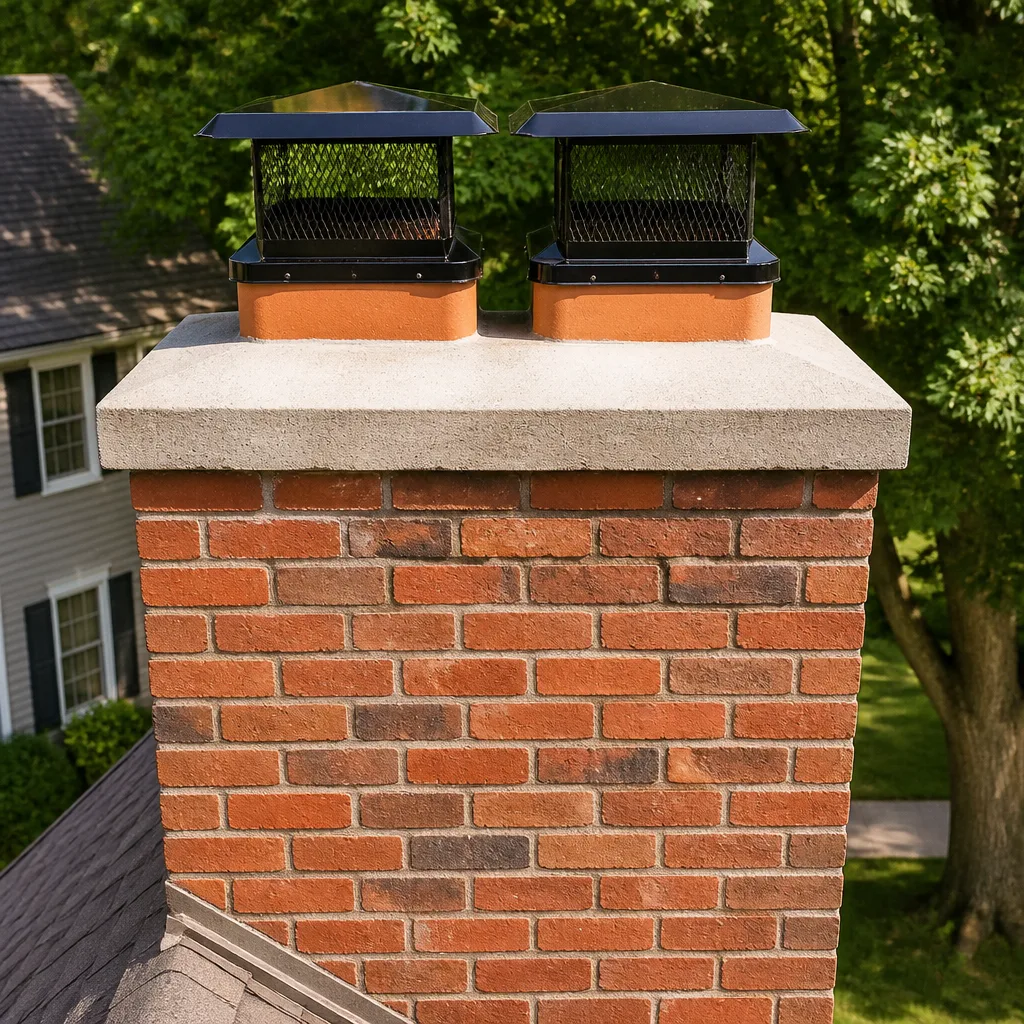 Caps & crowns
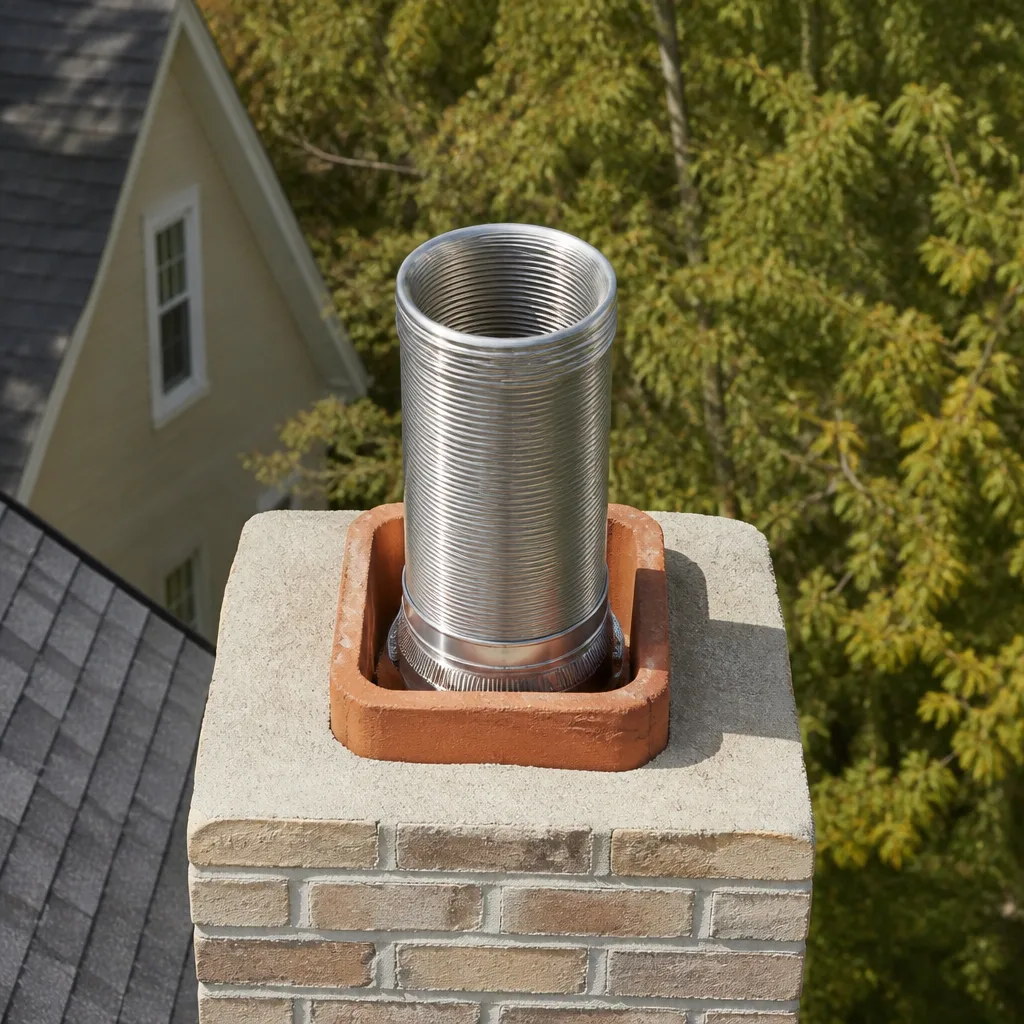 Flue relining
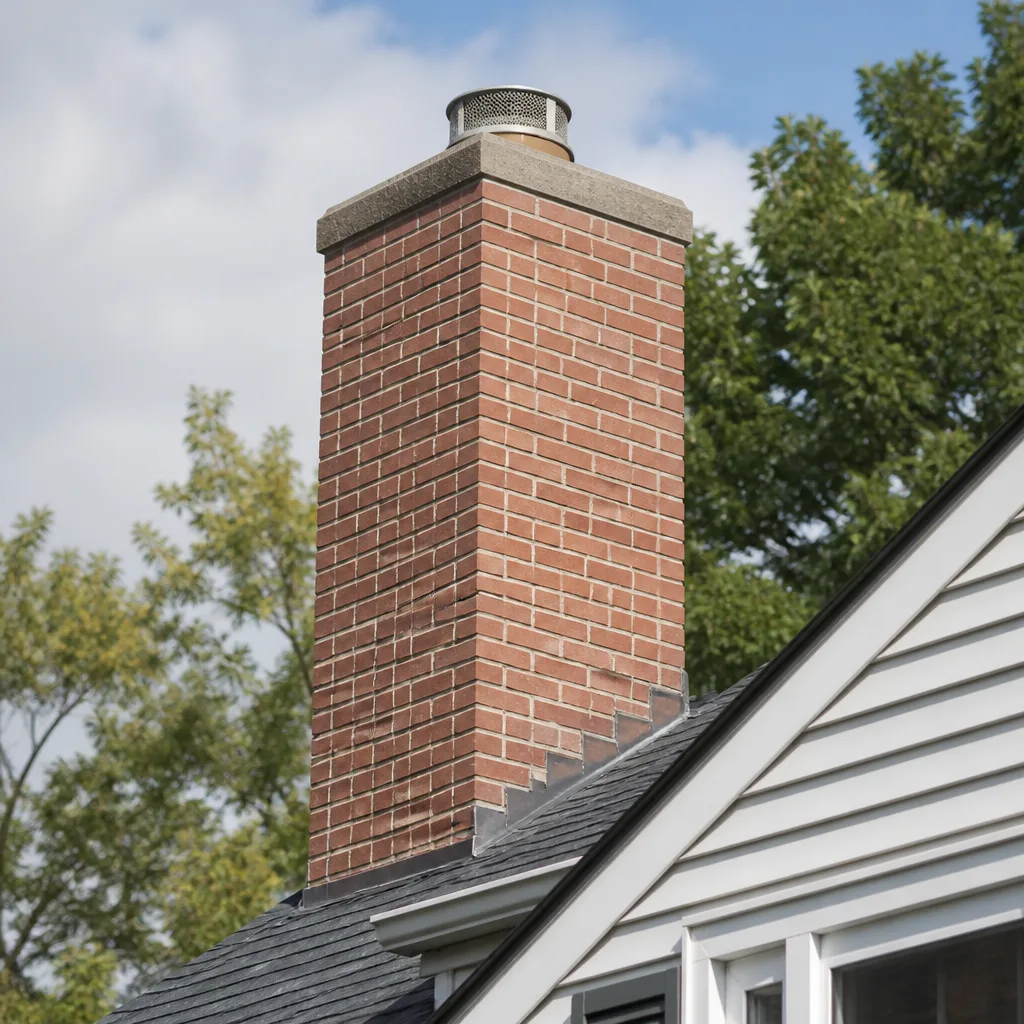 Masonry repair
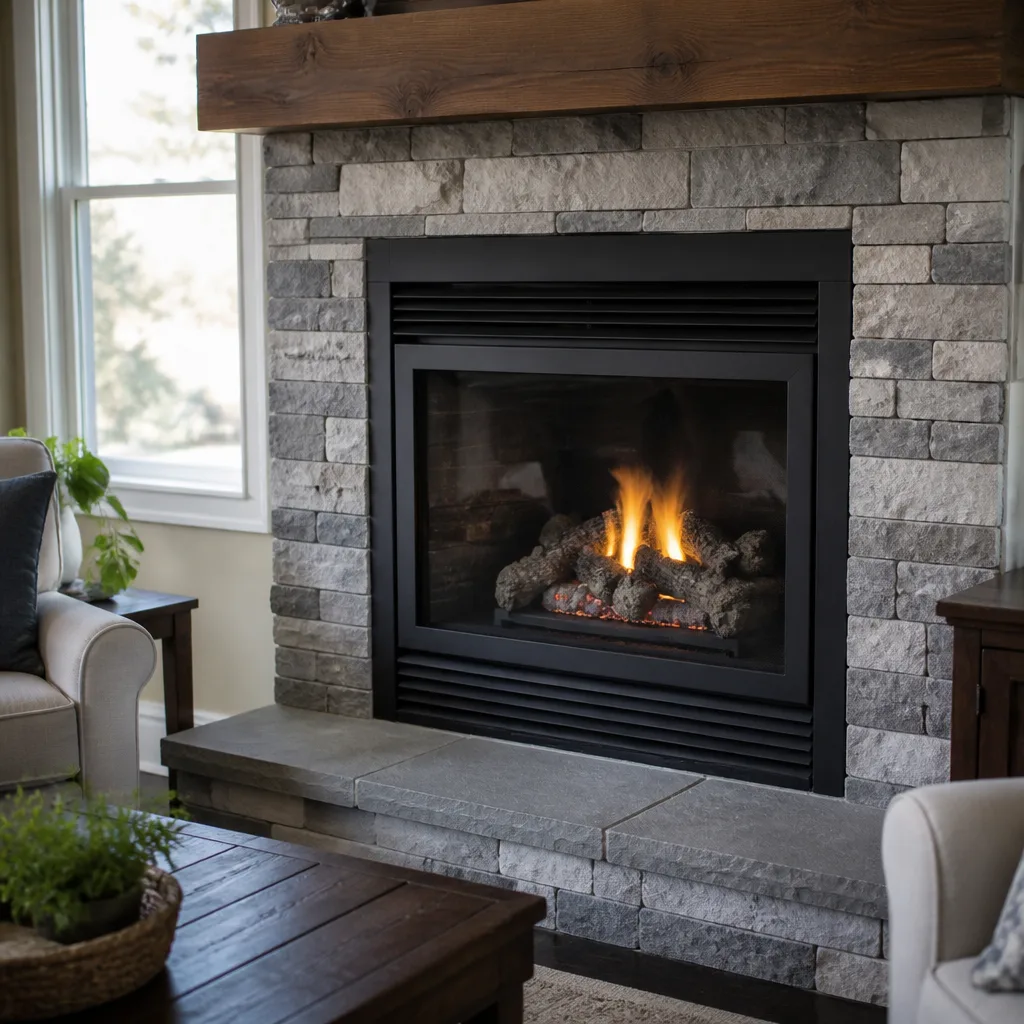 Gas fireplace service
Level 1 sweep and inspection to the NFPA 211 annual standard - flue, crown, cap, and flashing checked and photographed
Chimney sweep logs do not sweep chimneys. They loosen some creosote - which then falls where a brush and vacuum still have to collect it.
Chimney Cleaning Emergency Preparedness Guide for Bluffview Homes
A chimney fire doesn’t always sound like a fire. Often it’s a low roar, a rumble like a distant train, or a crackle you write off as a big log catching. By the time flames are visible at the top of the chimney, the flue tile inside may already be cracked. Most Bluffview homeowners have smoke detectors and a fire extinguisher and have never thought through what they’d actually do in the first three minutes of a chimney emergency. This guide walks through the two emergencies a chimney system produces – fire and carbon monoxide – how to recognize each, and what to do in order. You’ll also learn the pre-season steps that make both far less likely.
Quick Answer
A chimney fire or carbon monoxide event in a Bluffview home calls for the same first move: get everyone out, then call 911 from outside. After any chimney fire, the fireplace stays out of use until a certified sweep inspects the flue, because the fire department puts the fire out but cannot tell you whether the flue tile survived. The best preparedness is a pre-season inspection and sweep so creosote never builds to the point where ignition is possible.
Styles & brands we work with
- Sweep & inspection
- Caps & crowns
- Flue relining
- Masonry repair
- Gas fireplace service
Table of Contents
- How to Recognize a Chimney Fire in Progress
- Step-by-Step: What to Do During a Chimney Fire
- Carbon Monoxide: The Chimney Emergency You Can’t See
- What the Fire Department Does – and Doesn’t Do
- Why You Need an Inspection Before the Fireplace Is Used Again
- Pre-Season Preparation That Prevents Emergencies
- Common Mistakes to Avoid
- Frequently Asked Questions
How to Recognize a Chimney Fire in Progress
A chimney fire usually happens while the fire is burning or shortly after you’ve added wood, and it sounds and smells different from normal firebox combustion. In our experience, the most common sign homeowners describe afterward is a sound they couldn’t place at first. Normal firebox burning is quiet – an occasional pop from a knot, a soft settling of logs. A chimney fire produces something bigger than the firebox can account for.
Watch and listen for these signals:
- A low, persistent roar that sounds like a blowtorch or a distant freight train. This is the most reliable sign of a chimney fire. It often comes with a vibration you can feel on the chimney breast.
- Loud, repeated popping or crackling that’s much sharper and more frequent than normal wood settling – the sound of creosote igniting in layers.
- Dense smoke or flames from the top of the chimney. Flames might be visible, or you might see a column of dark smoke where you’d normally see light, wispy exhaust.
- A hot chimney breast. The masonry or metal around the chimney gets hotter than usual to the touch – warmer on adjacent rooms or floors than you’d expect.
- A strong, acrid, tar-like smell in the house, or in a neighbor’s yard. Creosote burning gives off a distinctive chemical odor.
- Sparks or embers landing on the roof near the chimney top.
A quiet fire with no roar but a sudden, sharp smell and heavy smoke from the top is still worth treating as an emergency until you know otherwise. The cost of a false alarm is a call to a chimey professional. The cost of ignoring a real one is the flue tile. When in doubt, evacuate. Our technicians have up to 13 years of experience, and we’ve inspected plenty of Bluffview flues where a fire burned hot enough to crack the tile while the homeowner only heard “a loud fire.”
Step-by-Step: What to Do During a Chimney Fire
The first three minutes of a chimney fire matter most, and the sequence is not intuitive. Most people’s instinct is to fight the fire. With a chimney fire, that instinct can hurt you. Here’s the protocol to follow, in order, before the fire department arrives.
- Get everyone out of the house. No possessions, no pets left behind if it delays you. Move to the yard, driveway, or a neighbor’s porch where you can be seen from the street.
- Call 911 from outside. Tell the dispatcher it’s a chimney fire and give your address. Even if the fire appears to be going out, make the call. Chimney fires can re-ignite in the flue after they seem to stop.
- Close the glass doors, fireplace screen, and damper only if you can do it safely on the way out and the fire is still inside the firebox. Starving the fire of oxygen slows growth. If smoke or heat already fills the room, do not go back in.
- Do not pour water into the firebox. Water on a hot firebox or flue can crack the masonry or liner, and a sudden steam cloud can burn you.
- Keep the chimney area clear. Make sure the fire department can reach the roof, and keep other people away until they arrive.
- Stay out until the fire department declares the house safe to enter.
Never re-enter a burning building for a phone, a pet, or a fire extinguisher. Smolder and hidden fire in a chimney can collapse masonry and fill rooms with smoke faster than you can find a door. This is the single hardest thing most homeowners have to accept. Call 911 first, then call (866) 901-7504. We answer 24/7, and fast dispatch runs 7am to 7pm, Sunday through Friday.
Carbon Monoxide: The Chimney Emergency You Can’t See
Carbon monoxide (CO) is a colorless, odorless gas that a blocked or faulty chimney can force into your home instead of up and out. A chimney fire is loud and obvious. A CO event is silent, and the symptoms can feel like the flu. That’s why it can go unrecognized for hours.
How CO reaches a Bluffview home through the chimney system is worth understanding, because the problems are specific:
- A blocked or restricted flue – a bird nest, a fallen chunk of masonry, or heavy soot buildup – slows the rise of exhaust gas. Combustion byproducts back up into the room instead of leaving through the top.
- A cracked or damaged flue liner lets exhaust gas seep into the structure of the chimney and find its way through cracks in the masonry or around the chimney into living space.
- Downdraft conditions can push exhaust down the chimney and into the house, often during certain wind or pressure conditions. If your fireplace has ever smoked into the room on startup, that’s a hint that the draft is weak or the flue isn’t sized right.
- A gas fireplace insert with a cracked heat exchanger can leak combustion gases directly into the room air, not through the chimney. This is one of the reasons annual inspection of the whole system matters, not just a visual look at the firebox.
How CO signs present differently from fire
Watch for headaches, dizziness, nausea, and drowsiness in more than one person at a time in the same part of the house – especially symptoms that ease when you leave and return when you come back. A fireplace fire that gets going and then goes out repeatedly, or that puffs smoke into the room, is worth treating as a possible CO clue. Your smoke detector does not catch carbon monoxide. A separate CO detector near the sleeping area is worth buying, and if it alarms, treat it like a smoke alarm: get everyone out, call 911, and don’t run a fireplace until a professional checks the system.
This is where we’ve seen Bluffview homes most often fall behind: the smoke detector test gets remembered, the CO detector gets tested once, and the flue itself never gets inspected. Every job we scope begins with an inspection, so we know what the flue is doing before we recommend anything. That includes checking for the kinds of restrictions that push CO back into the house. Use professional-grade materials – DuraFlex flexible liners, HeatShield for resurfacing, and components from Olympia Chimney – because the flue is a lifeline in exactly this situation.
What the Fire Department Does – and Doesn’t Do
When the fire department arrives at a chimney fire, their job is to put the fire out and make the house safe to enter. That is not the same as telling you your chimney is safe to use. Understanding the line between the two prevents the most common post-fire mistake: resuming fires the next weekend because “the fire department checked it out.”
What they typically do:
- Confirm the fire is out and check for fire extending into the walls, roof, or attic.
- Check that the chimney and roof are safe to approach.
- Make sure there’s no hidden smolder in the structure and that the house is ventilated.
- Tell you to have the chimney inspected by a chimney professional before using it again.
What they typically don’t do:
- Climb the roof to examine and photograph the flue tile inside the chimney.
- Run a camera up the chimney to see the creosote, the tile condition, or what’s blocking it.
- Tell you whether your liner can stay or needs replacement.
- Clear out the creosote that remains after a fire – a chimney fire consumes some of the creosote but can leave a hard glaze that only a proper sweep removes.
That’s the gap we fill. A camera inspection after a fire shows you what happened inside the flue, and a photo report lets you see it for yourself. And after any fire, it’s not unusual for the flue to need work – a damaged tile, a section of cracked liner, or a buildup that’s now hard and glassy. We carry DuraFlex flexible liner systems for safe, code-compliant relining, and HeatShield resurfacing for flues that can be restored without a full liner replacement. We’ll tell you which one your chimney actually needs, and we’ll show you why with the camera output.
Why You Need an Inspection Before the Fireplace Is Used Again
A chimney fire can leave the flue structurally compromised even though the house looks fine. That is the reason a certified chimney sweep must inspect the chimney before the fireplace is lit again, not after the next cold snap. What’s at stake is not just a repeat fire. A cracked flue tile opens the path to the CO risk described earlier.
Here’s what an inspection after a chimney fire looks at:
- Flue tile condition – cracks, spalling, separation between sections, and missing mortar joints.
- Creosote remaining in the flue – the glaze that stays behind after a fire is highly flammable and has to be swept out properly.
- Liner integrity – whether a stainless liner exists and whether it’s damaged, and whether the existing flue could be restored with HeatShield or needs a new DuraFlex liner.
- Crown and cap – the top-of-chimney protection that keeps water and animals out, often damaged in a hot fire. We fit caps and covers from Gelco and Famco, and we source through lines like Olympia Chimney and Copperfield so the parts are the ones designed for the job.
- Firebox and damper – the parts that take the most heat and the most abuse.
The inspection comes first, then an honest scope. Every visit starts with an inspection, so you know exactly what your chimney needs – and what it doesn’t. If the inspection says the fireplace is safe to use after a sweep, we’ll say so. If the liner needs to be relined or the crown reset, we’ll show you the photos and tell you plainly whether it can wait until spring or you should not use the fireplace until it’s done.
Bluffview winters are mild, which helps in one way: a homeowner told the fireplace should stay cold for a few weeks isn’t facing a freezing house. That makes it easier to wait for the right repair instead of an emergency one. It doesn’t make a damaged flue safe to use. A mild winter is no reason to burn through a cracked liner.
Pre-Season Preparation That Prevents Emergencies
The best chimney emergency preparedness in Bluffview is boring and happens before the first fire of the season. Chimney fires are fed by creosote, and creosote builds up with every fire. A sweep and inspection in the fall removes the fuel before it can accumulate to a dangerous glaze. Plan for these steps, and you’ll cut your risk more than any fire extinguisher.
- Book a chimney sweep before you start burning. A professional sweep removes the creosote that ignites in a chimney fire, and it removes the nest material and soot that block a flue and cause CO backdraft. This is the single most important step.
- Have the chimney inspected at the same time. A proper inspection checks the liner, crown, cap, firebox, and damper. Repairs found in October have time to be done before you need the fireplace. Repairs found in a January chimney fire don’t.
- Check the chimney cap and crown. A cap keeps out rain, birds, and squirrels that nest in a flue. A cracked crown lets water into the masonry, where it can damage the liner through mild winters too. Frozen pipes aren’t the concern here – water in the masonry is, and it’s the slow kind of damage.
- Install and test CO detectors on every level of the house and near sleeping areas. Test them at the start of the season, then once a month.
- Check your smoke detectors at the same time. Test the batteries and replace any that are past their date.
- Burn dry, seasoned wood. Wet wood produces more smoke and more creosote. The same fire that warms a room with good wood can build a glaze on the flue with green wood.
- Keep the area around the fireplace clear. Move furniture, firewood, and kindling back a safe distance. Don’t use the hearth as a shelf.
- Keep a fire extinguisher near the fireplace and know how to use it. It’s for a fire that escapes the firebox onto the hearth, not for one in the flue.
- Never leave a fire unattended while you sleep or leave the house. Most chimney fires happen while someone is home and a fire is burning, but the quiet ones happen while the fire is winding down.
None of this is complicated. It is the difference between a fireplace that runs clean all season and one that turns into an emergency you can’t prepare for on the spot. Our chimney sweep visit covers the cleaning and the inspection in one appointment, so the two steps above happen together.
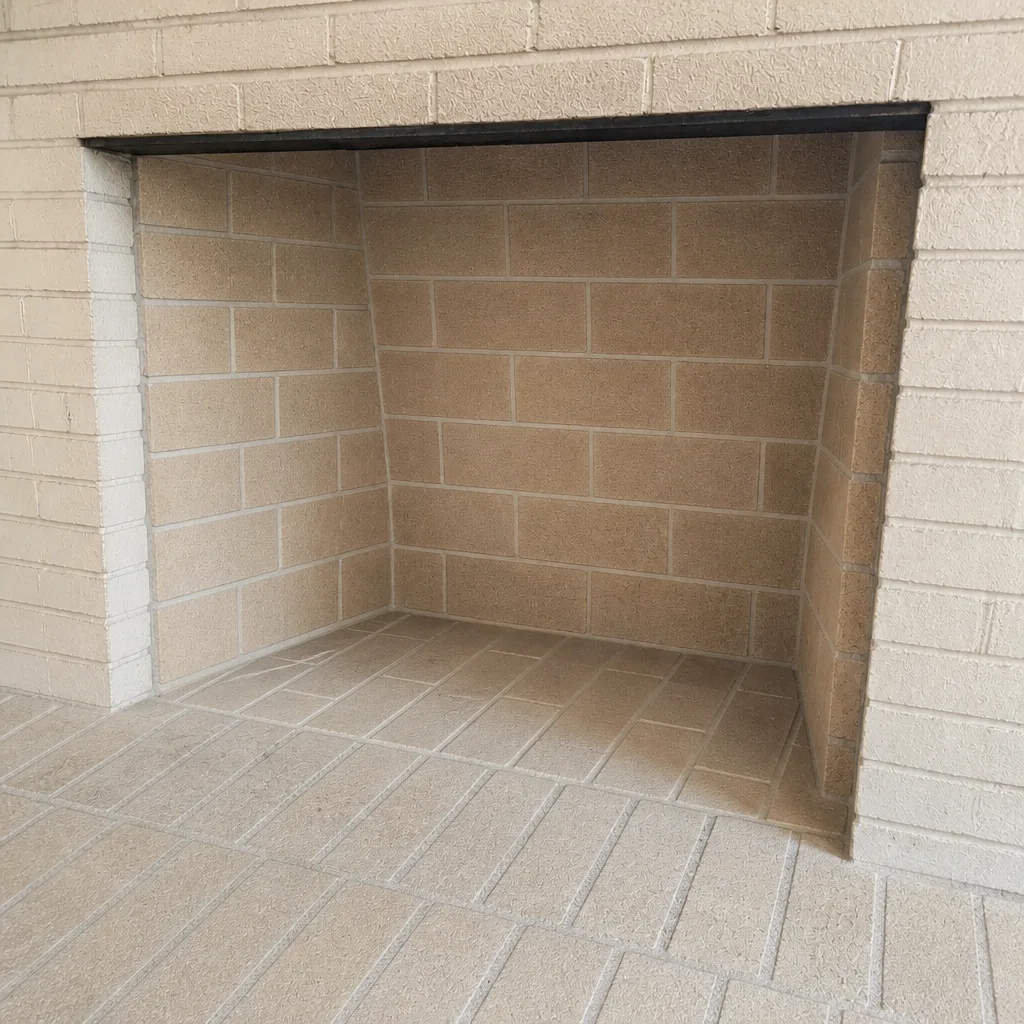
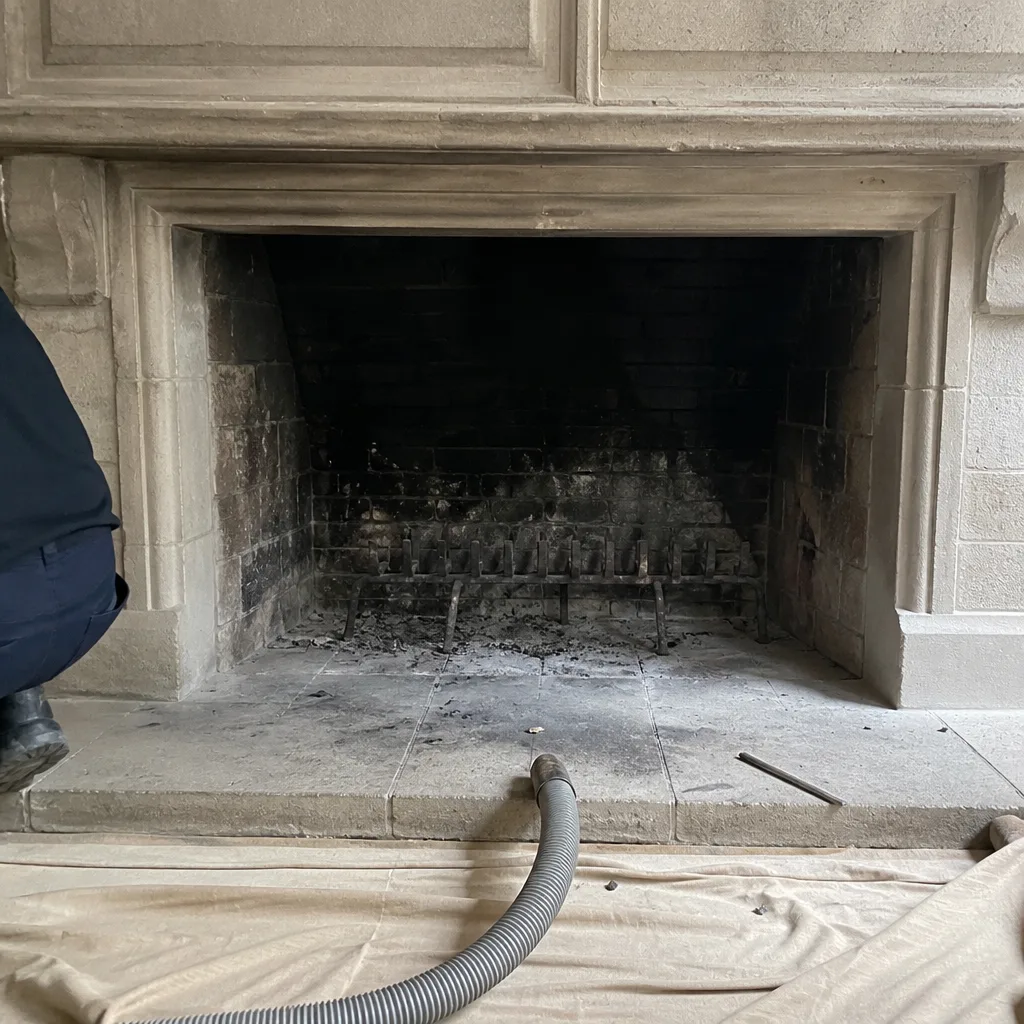
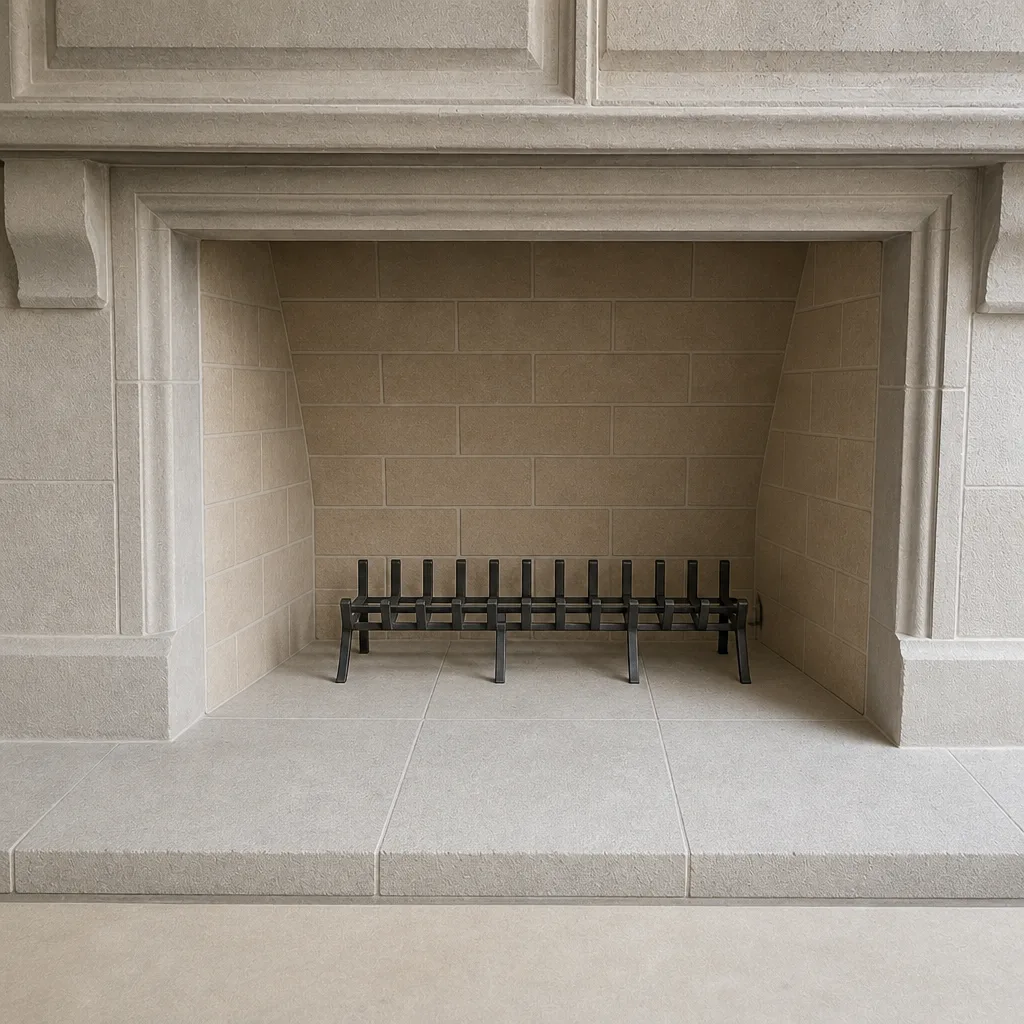
See the difference
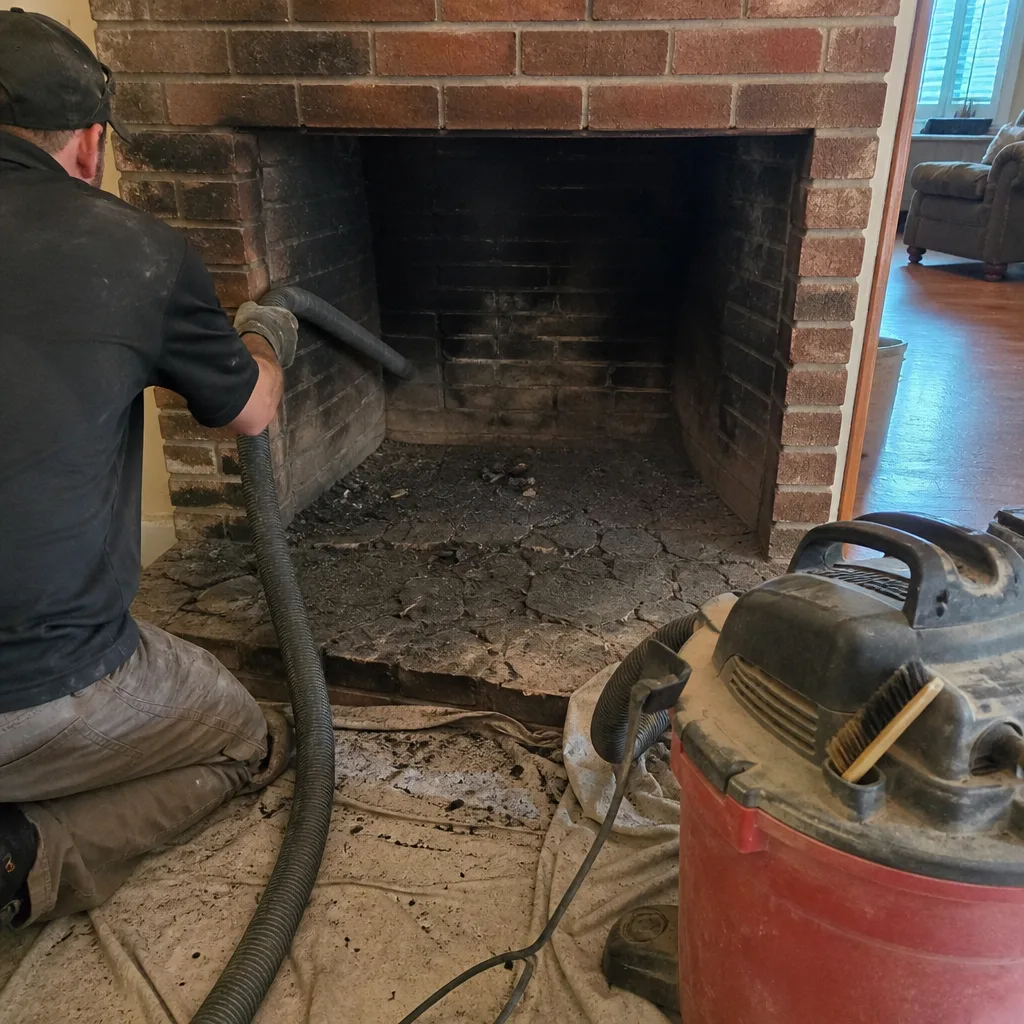 Before
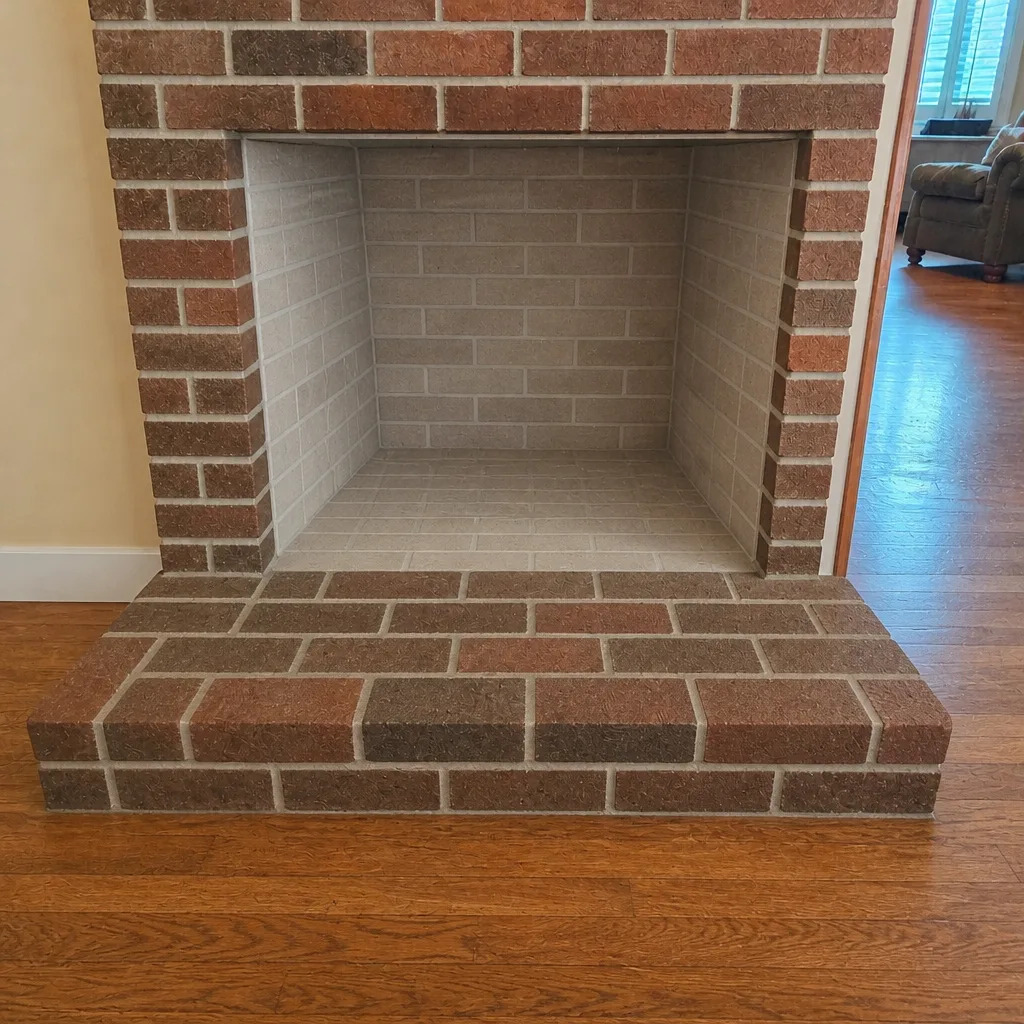 After
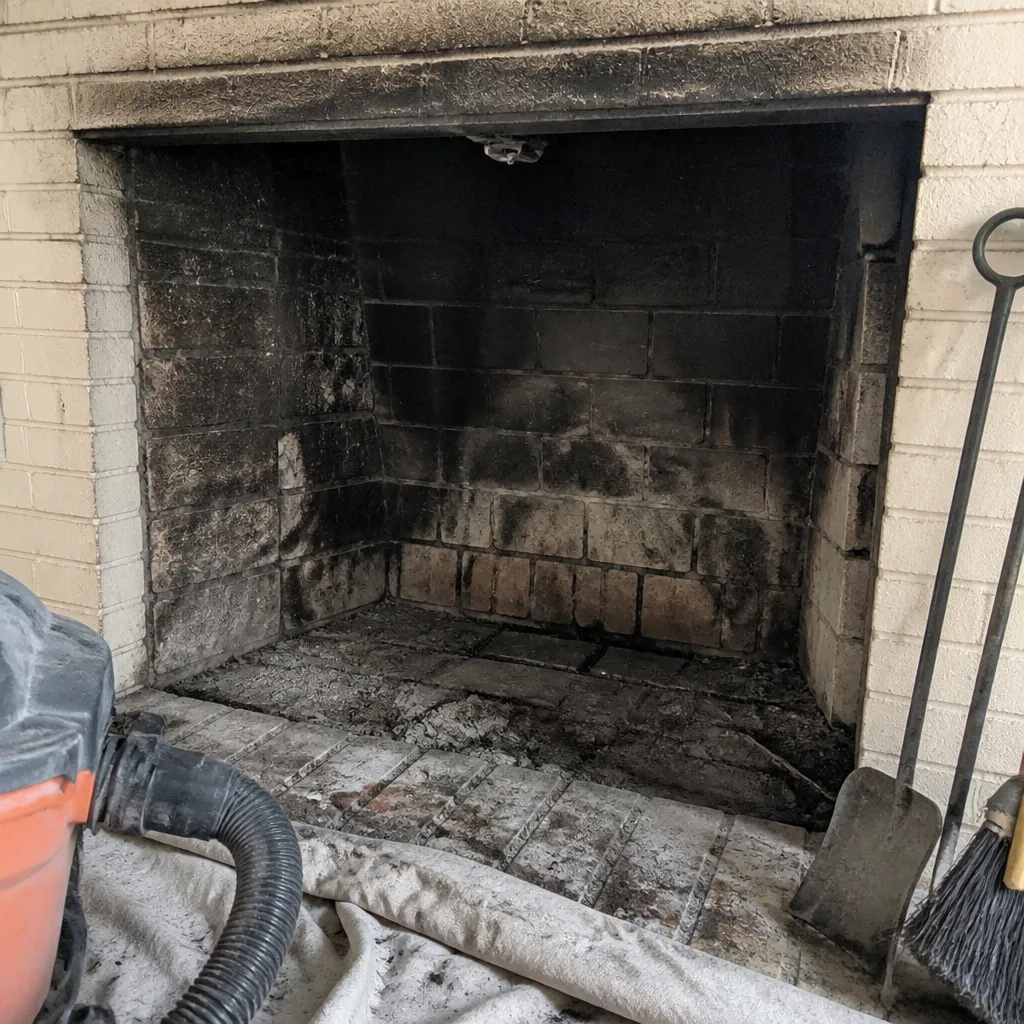 Before
 After
 Before
 After
Bluffview-Specific Considerations for Preparedness
Chimney risk isn’t the same in every city, and Bluffview’s own mix of homes affects what you should watch for. The neighborhoods around here run from older houses with original masonry chimneys to newer construction with modern inserts, and each has its own failure patterns.
- Older masonry chimneys – the brick and mortar joints in these need inspection more often, because the original flue tile may be smaller than the firebox and can crack under high heat. A flue liner sized correctly for the appliance is the fix, and that’s where HeatShield or a DuraFlex liner comes in.
- Gas fireplaces and inserts – the CO risk here is often a failed heat exchanger or a flue restriction, not a fire hazard. A proper inspection looks at the whole system, not just the firebox.
- Caps and crowns – a missing cap is an open door for nesting birds – one of the most common causes of a blocked flue we find. Caps from Gelco and Famco are fitted to your chimney, not a hardware-store standard size.
- Mild winters – the mild winter means the fireplace gets used on a lot of cool evenings, not just in deep cold. That steady use builds creosote gradually, which can slip past a homeowner who is only thinking about the coldest weeks. A seasonal sweep handles the accumulation either way.
If you live in a Bluffview home with a fireplace that hasn’t been looked at since last season, the pre-season sweep and inspection is the step worth booking. The Chimney Sweep Bluffview team specializes in chimneys and fireplaces only, so the same visit that sweeps your flue can scope the cap, the crown, and the fireplace repair work if the firebox needs it.
Common Mistakes to Avoid
- Assuming the fire department cleared the chimney for use. The fire department makes the house safe to enter. It does not inspect the inside of the flue or tell you whether your liner survived. Have a sweep inspect before the next fire.
- Treating a quiet chimney fire as a non-event. The roar and visible flames get the attention. The low crackle you talk yourself out of is the one that cracks a flue tile. If the chimney got hotter than the firebox can explain, treat it as a fire.
- Burning wet or green wood to save money. It costs you in creosote. The same fire that warms the room builds a flammable glaze in the flue, and the mild Bluffview winter means that glaze can sit there for months before you notice. Season the wood and sweep on schedule.
- Skipping the sweep because the fireplace looked clean from the room. You can’t see the flue from the firebox. The buildup that matters happens above your line of sight, which is why the camera inspection and the sweep are both worth the appointment.
- Covering a chimney cap or crown “for now” with a tarp or a piece of plywood. A poorly fitted cover traps moisture, damages the masonry, and doesn’t keep animals out. A properly fitted cap from Gelco or Famco is the fix.
- Not having CO detectors, or not testing them. A chimney emergency can be silent. A working CO detector buys you minutes that a smoke alarm won’t.
- Waiting until an emergency to call. The repair scoped over an inspection in the fall is a plan. The same repair scoped after a chimney fire is a scramble, and sometimes an unsafe one. Book the appointment while the weather is still mild.
When to Call a Professional
Call a chimney professional any time you’re not sure a chimney is safe. That covers every one of these situations: a chimney fire just happened; the smoke or the draft has changed; there’s a strong tar smell or smoke backing into the house; a CO detector has alarmed; the cap is missing or damaged; the crown is cracked; or the fireplace hasn’t been swept and inspected in some time. Some of these are urgent, some can wait for the next opening – an inspection tells you which is which. Chimney Sweep Bluffview offers free estimates in Bluffview. Call (866) 901-7504. We answer 24/7, and fast dispatch runs 7am to 7pm, Sunday through Friday, closed Saturday. Our technicians have up to 13 years of experience, and every visit begins with an inspection and a photo report so you can see what we found before anything is recommended.
Frequently Asked Questions
Once a year, before the burning season, is the standard for a chimney used regularly. Heavy use, wet wood, and older masonry chimneys sometimes call for a second sweep. A sweep and inspection in the fall is the simple rule, and it covers both the fire risk and the CO risk in one appointment. Call (866) 901-7504 for an exact quote – estimates are free.
No. The flue can be cracked, and the remaining creosote glaze can re-ignite, even though the firebox looks untouched from the room. Have a certified sweep inspect the flue before the next fire. The inspection includes a camera look at what the fire did inside the chimney. Call (866) 901-7504 to book an inspection – estimates are free.
A low, persistent roar, a rumble you can feel more than hear, or loud, repeated popping that’s louder and sharper than a normal fire. A strong tar-like smell or dense smoke from the top of the chimney is a second signal. If you hear or smell it, treat it as a fire until someone who knows chimneys tells you otherwise. Call (866) 901-7504 for an inspection.
Yes. A chimney cap keeps out rain, birds, squirrels, and debris, which are some of the most common causes of a blocked flue and a CO event. We fit caps and covers from Gelco and Famco and check the crown at the same time, since a leaky crown lets water into the masonry in its own slow way. Call (866) 901-7504 for an estimate on a proper cap and crown check.
The creosote builds, and the flue becomes more likely to ignite a chimney fire. The mild Bluffview winter stretches the burning season over many cool evenings, so the buildup happens more evenly than homeowners expect. You can’t see it from the firebox. The safest rule is to book the sweep and inspection before the first fire of the season. Call (866) 901-7504 and estimates are free.
Yes, and for a different reason. A gas fireplace doesn’t produce creosote, but a cracked heat exchanger or a restricted flue can leak carbon monoxide into the room, which is a silent emergency. A chimney inspection looks at the whole system, flue and appliance connection included. Call (866) 901-7504 to schedule – estimates are free.
The Bottom Line
Chimney emergencies in Bluffview come down to two things: fire and carbon monoxide. Both are largely preventable with a pre-season sweep and inspection, and both require the same first move – get everyone out, call 911, then call a chimney professional. The fire department puts out the fire and makes the house safe to enter. A certified sweep determines whether the flue survived and tells you what the chimney actually needs. The two habits that matter most are an annual sweep and working CO detectors. If you’re not sure where your chimney stands, an inspection tells you – and the estimate costs nothing. Call (866) 901-7504 for a free estimate.
Written by the team at Chimney Sweep Bluffview.