
Last updated November 23, 2026
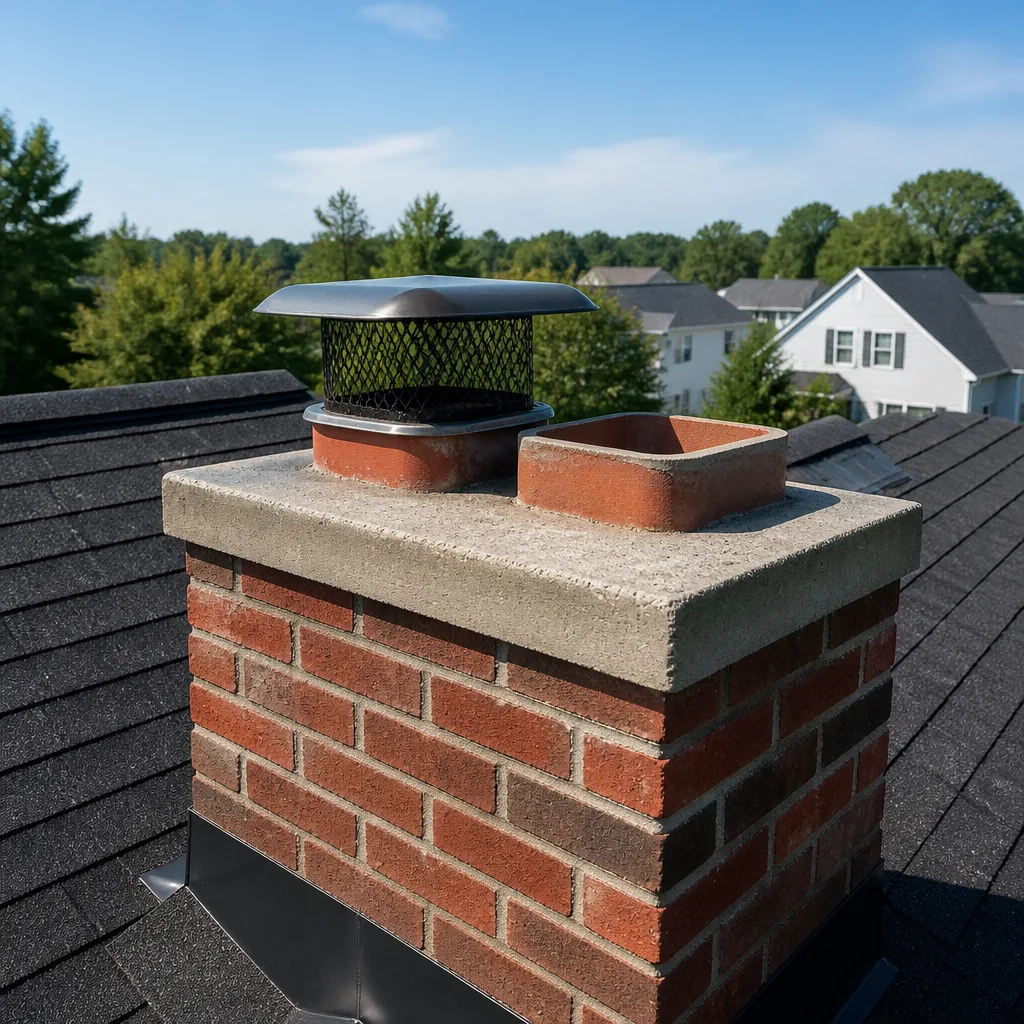 Sweep & inspection
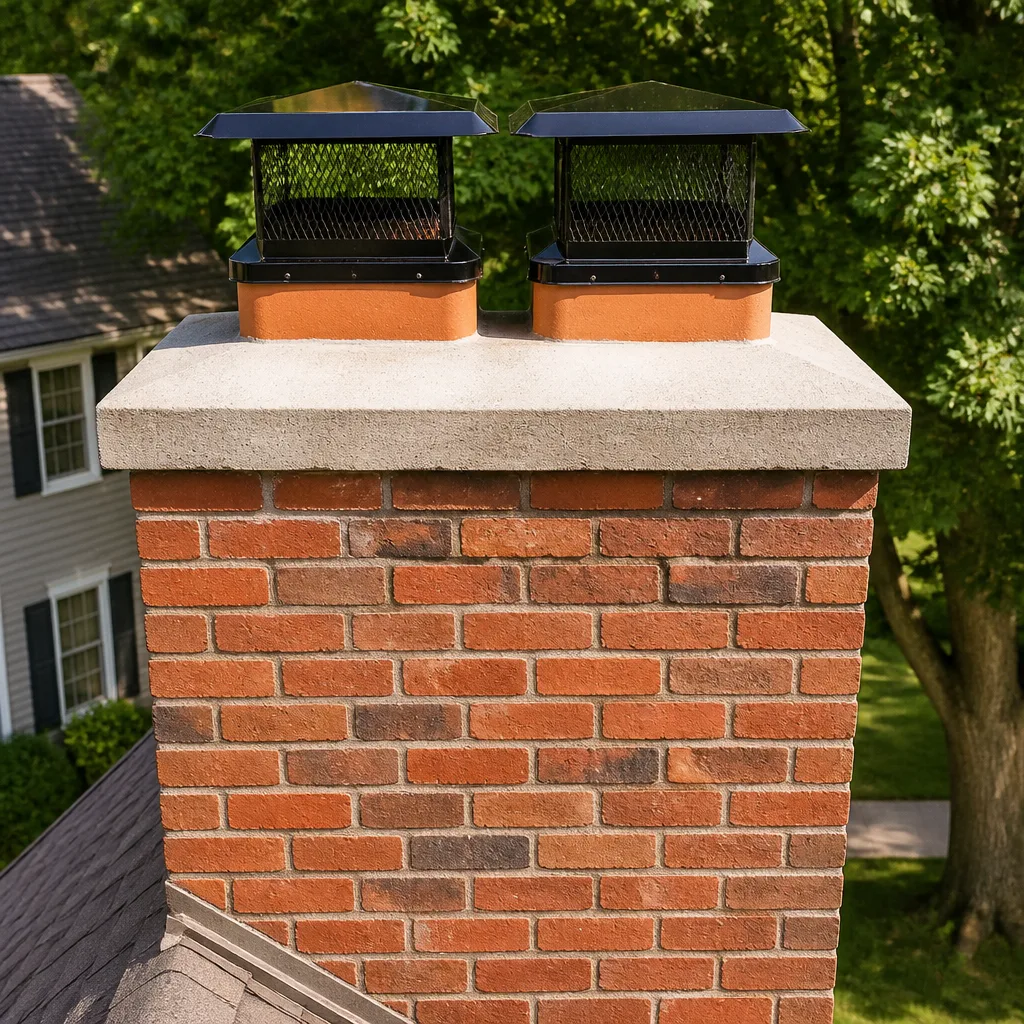 Caps & crowns
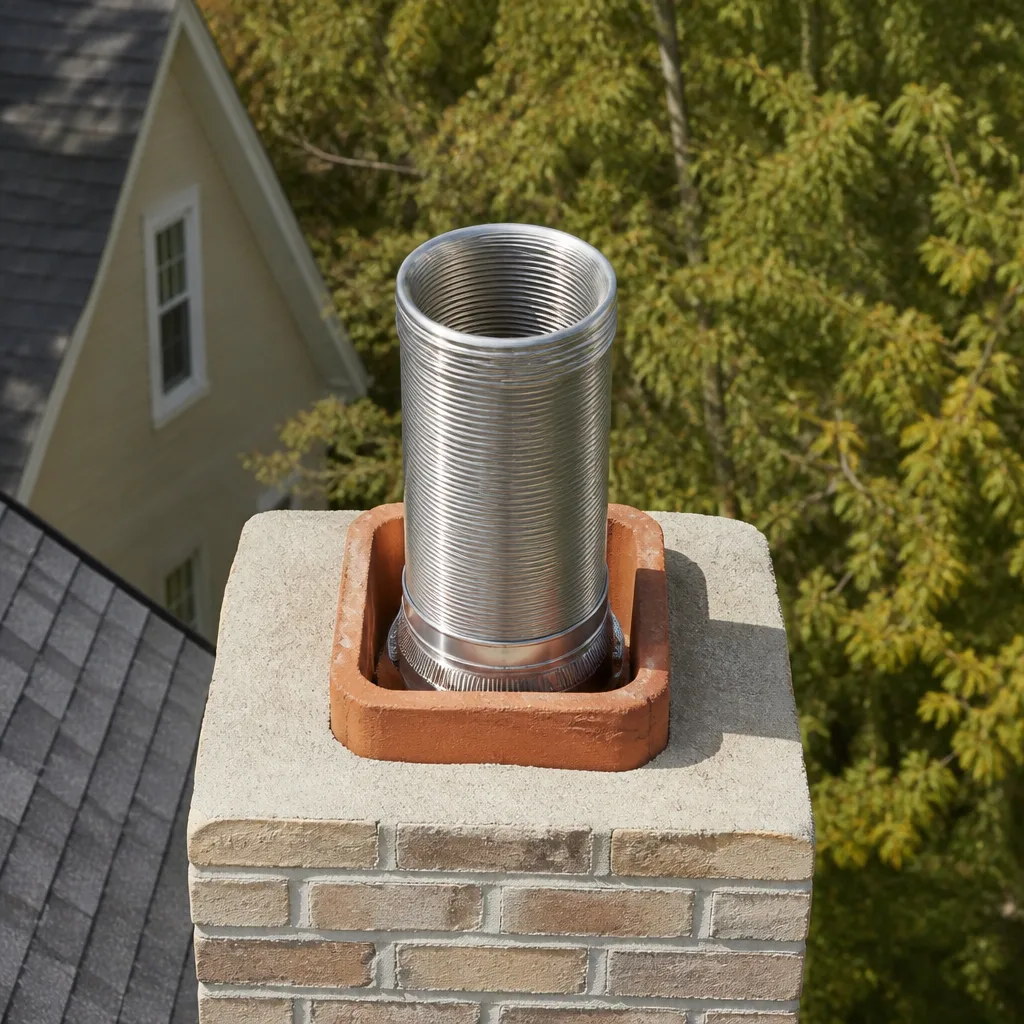 Flue relining
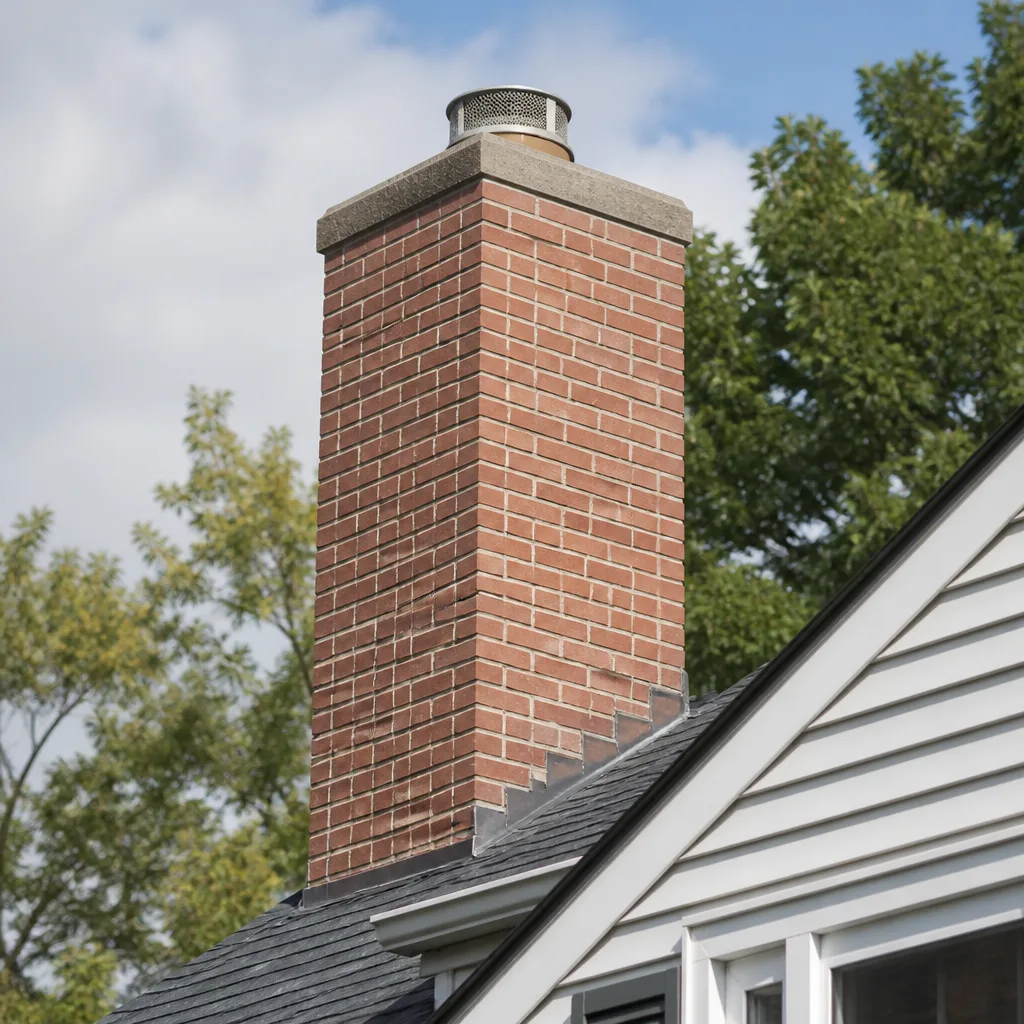 Masonry repair
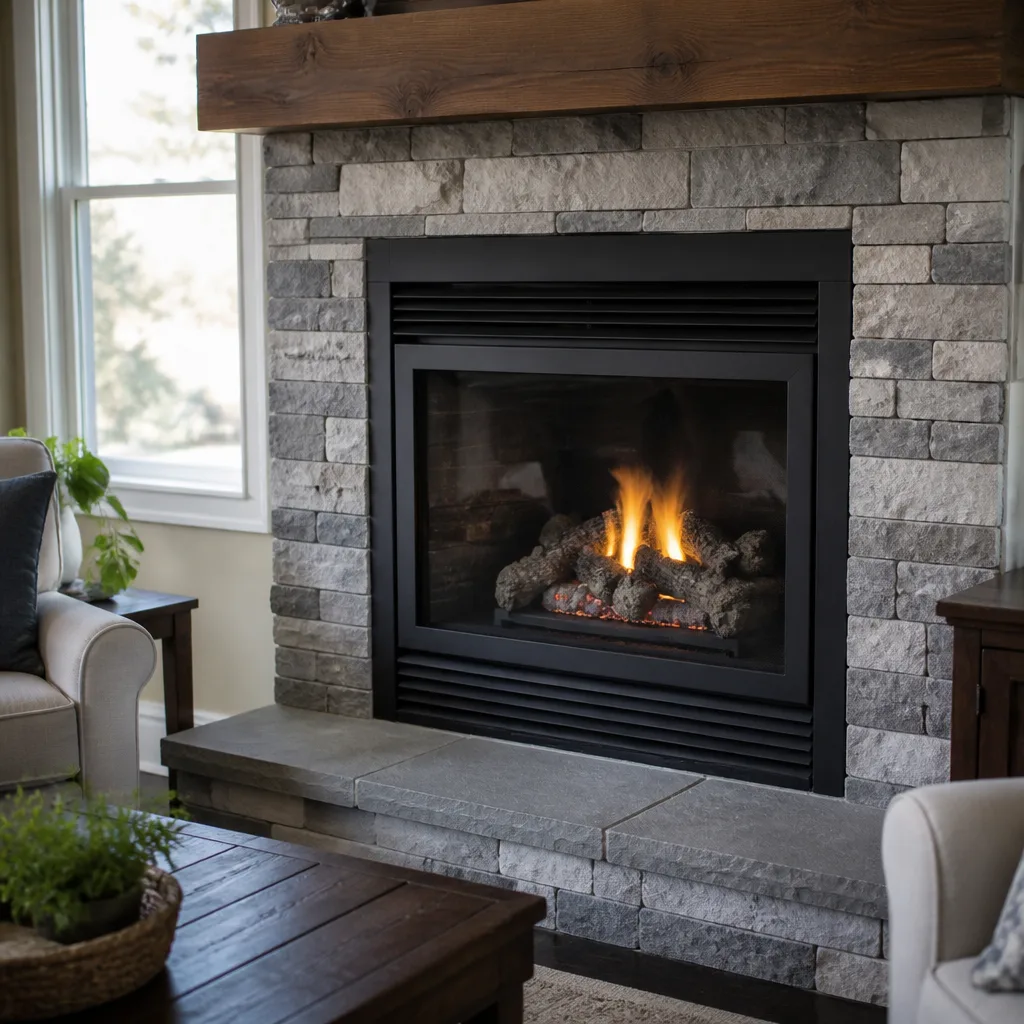 Gas fireplace service
Level 1 sweep and inspection to the NFPA 211 annual standard - flue, crown, cap, and flashing checked and photographed
Chimney sweep logs do not sweep chimneys. They loosen some creosote - which then falls where a brush and vacuum still have to collect it.
Chimney Cleaning Cost Breakdown: The Bluffview Homeowner’s Reference for 2026
Two quotes land in your inbox on the same day. One says $99. The other says $275. Both are for “a chimney cleaning,” and both could be honest – or the $99 could turn into $900 of recommended work once the technician is on your roof, and the $275 could be a fair price for a cleaning that actually matches what your fireplace needs. The number on the estimate tells you almost nothing on its own. What tells you everything is the line items behind it: what’s included in the sweep, what triggers an add-on, and whether the person quoting you bothered to inspect before they priced. This guide breaks down what chimney cleaning in Bluffview actually costs in 2026, service level by service level, so you can read a quote and know whether it’s reasonable before you book.
Quick Answer
A standard chimney cleaning in Bluffview, TX typically runs $150 to $300 for a wood-burning fireplace, with most homes landing around $175 to $225. Gas log and insert fireplaces often fall at the lower end ($125 to $200) because there’s less creosote and soot to remove, while heavy creosote buildup or a chimney that hasn’t been cleaned in years can push toward $350 or higher. A Level 2 inspection, added on top, usually runs $100 to $250 depending on how much camera and access work is involved.
Styles & brands we work with
- Sweep & inspection
- Caps & crowns
- Flue relining
- Masonry repair
- Gas fireplace service
Table of Contents
- What a standard cleaning includes, line by line
- How fireplace type changes the scope and cost
- Add-on services: the necessary versus the routine upsell
- Level 1 vs Level 2 inspection: what each actually costs
- What repairs after a cleaning cost in Bluffview
- Why two quotes for the same chimney can differ by hundreds
- How to read a quote before you book
- Common mistakes to avoid
What a standard cleaning includes, line by line
A standard chimney cleaning in Bluffview covers a defined set of tasks, and knowing them is how you tell a fair price from a padded or underbid one. The work itself is physical and specific, not a vague “sweep the chimney” gesture.
- Firebox and damper area: brushing down soot and ash from the firebox walls, the damper, and the smoke shelf just above it. This is where most of the mess collects on a working fireplace.
- Flue brushing: running a properly sized brush through the full length of the flue to remove creosote and soot from the liner walls. The brush has to match the flue’s dimensions or it either misses glazed deposits or damages the liner.
- Smoke chamber: the funnel-shaped transition between the firebox and the flue that collects debris fast and is easy to skip if someone’s in a hurry.
- Cap and crown check: confirming the cap is intact and the crown isn’t cracked, since both are your first defense against water getting into the system.
- Debris removal: bagging and removing the ash and soot instead of sweeping it into the firebox for you to deal with later.
- Basic visual inspection: a look at what’s visible without tools or cameras, to confirm nothing obvious is wrong.
That package, done properly, is the $150 to $300 range in the Bluffview market. What pushes a job above it usually isn’t the cleaning itself; it’s the condition the technician finds. Heavy third-degree creosote, a flue that’s never been touched, a firebox full of old ash from a previous owner, or a chimney with animal debris in the flue all add labor time, and labor time is the dominant cost in a cleaning.
How fireplace type changes the scope and cost
The fireplace you have changes how much work a cleaning involves, and therefore what it should cost. This is one of the most misunderstood parts of chimney pricing in Bluffview, where the housing stock includes a real mix of wood-burning, gas log, and insert setups.
Wood-burning fireplaces – $150 to $300
Wood-burning is the highest-labor category. Every fire leaves creosote on the flue walls and soot in the firebox, and the volume depends on how much you burn, how seasoned your wood is, and how the fireplace drafts. Homes burning several cords a season will sit at the higher end of the range; occasional users at the lower end. If it’s been more than a year, budget for the upper half.
Gas log fireplaces – $125 to $200
Gas logs produce far less creosote, but they’re not a “no maintenance” system. They still accumulate dust, and gas burning produces moisture that can combine with dust to leave a film in the flue. The cleaning is lighter and faster, which is why the price is lower. What matters here is that the technician also checks the log set, connections, and venting rather than just running a brush and leaving.
Fireplace inserts – $175 to $275
An insert is a firebox inside a firebox, which typically means removing the surround or baffle to access the flue properly. That extra disassembly and reassembly is why inserts sit in the middle of the range. Skipping the disassembly is the shortcut to watch for – a cleaning that doesn’t reach behind the insert isn’t a cleaning.
Masonry vs. prefabricated
Masonry chimneys with clay tile liners and prefabricated metal chimneys require different tools and brushes. Prefab systems with a stainless liner may need a poly brush rather than a wire one to avoid scratching. A quote that doesn’t ask what kind of chimney you have is a quote that was priced before anyone knew what the job was.
Add-on services: the necessary versus the routine upsell
Every honest chimney company recommends work sometimes, and every homeowner has the right to ask whether the recommendation is real. Here’s how to sort them in a Bluffview context, with 2026 market ranges attached so you can judge whether the add-on price itself is fair.
- Creosote removal beyond standard brushing ($75 to $200): genuinely necessary when the deposit has reached glazed, third-degree stage. If the technician can describe it and show you what they mean, it’s real. If it’s mentioned but never demonstrated, ask for a photo before agreeing.
- Animal nest removal ($75 to $175): necessary when birds or squirrels have taken up residence in an uncapped chimney. Common in Bluffview homes where caps are missing or loose.
- Level 2 inspection ($100 to $250): sometimes necessary, sometimes routine. Explained in the next section.
- Cap installation ($150 to $400): genuinely necessary on any uncapped chimney that’s exposed to weather and wildlife. A cap is cheap insurance against water intrusion and nest-building. We fit caps from Gelco and Famco because a properly sized, snug-fitting cap lasts; a loose one rattles off in the first storm.
- Crown repair ($300 to $900): necessary when the concrete crown at the top has cracked enough to let water down into the masonry. Water is the single biggest cause of chimney deterioration in this climate, and it comes in through the crown far more often than from the flue side.
- Liner replacement ($1,800 to $4,500): the big-ticket recommendation, and the one worth questioning hardest. It’s genuinely necessary when the existing liner is cracked, spalling, or absent, and genuinely unnecessary when it’s sound. Never accept this one without seeing the evidence.
The pattern to watch for is any recommendation that arrives without a visible reason. “Your flue is wearing out, you should reline” with no camera footage and no discussion of what was found is a sales pitch, not a diagnosis. A real one sounds like: “There’s a section of cracked tile about four feet down; here’s the picture, and here’s why it matters for a wood fire.”
Level 1 vs Level 2 inspection: what each actually costs
Chimney inspections come in standardized levels, and understanding them clarifies why one quote includes an inspection fee and another folds “a check” into the cleaning price. The difference is depth, not honesty.
Level 1 inspection – typically included in a cleaning
A Level 1 inspection is a visual read of the readily accessible parts of the chimney: firebox, flue by eye from below, damper, visible exterior, cap. It’s appropriate when nothing has changed about the system, which describes most annual cleanings. When bundled into a sweep, it’s not a separate charge – it’s part of doing the job correctly. Any company that skips it entirely isn’t inspecting at all.
Level 2 inspection – $100 to $250 added
A Level 2 inspection adds a video camera run through the flue and a closer look at accessible sections the eye can’t reach from the firebox. It’s warranted when something has actually changed about the chimney or the house around it: a chimney fire, a move into a home you didn’t previously live in, a change of fuel type (converting from wood to gas or adding an insert), a structural event like an earthquake or chimney strike, or unexplained drafting problems. If you just bought a home in Bluffview and don’t know the history of the chimney, a Level 2 is the honest first step before you commit to recurring cleanings.
Level 3 inspection – rare, diagnostic
A Level 3 involves opening hidden areas (removing masonry or other construction) to access parts of the chimney that can’t be reached otherwise. It’s done only when a specific failure is suspected. If a quote mentions Level 3 as routine, ask why – it isn’t.
Our approach on every visit starts with an inspection, and the level we recommend depends on what the chimney and your history with the house say. We’d rather spend a modest amount on a Level 2 and know the liner’s condition before deciding on a reline than guess at it from the firebox floor.
What repairs after a cleaning cost in Bluffview
If your cleaning turns up a repair, here’s what those repairs typically cost in the Bluffview market in 2026, and what drives each one. These are estimates; the written estimate for your specific chimney sets the final price.
- Chimney cap installation – $150 to $400: depending on the size and shape of the flue and whether old cap material needs removing. Custom-fit stainless caps sit at the top of the range.
- Crown repair – $300 to $900: resurfacing or rebuilding the concrete at the chimney top. A crown with hairline cracks that seals properly costs less than a crown that’s broken apart and needs rebuilding before it can be sealed.
- DuraFlex flue relining – $1,800 to $4,500: installing a flexible stainless liner sized to your flue and appliance. The range reflects length, liner diameter, insulation requirements, and whether the old liner has to be removed first. DuraFlex systems are what professional chimney work is built around, and we’re trained to install them to a code-compliant standard. This is the repair most likely to be quoted prematurely – ask to see what the inspection found.
- HeatShield resurfacing – $1,200 to $2,800: a professional-grade resurfacing that restores a deteriorating but still structurally sound flue without full liner replacement. If the flue’s problem is a cracked or flaking surface rather than a failed structure, HeatShield can be the right tool and can save real money over relining. It isn’t right for every flue, and we’ll tell you plainly which one yours actually needs.
- Minor masonry repair – $250 to $1,500: repointing, sealing, or replacing damaged brickwork at the top of the chimney where weather does the most damage.
- Fireplace repair – $200 to $1,200: damper replacement, firebox repairs, or fixing draft problems found during inspection. If your fire smokes into the room or the damper won’t close properly, that repair falls under fireplace repair and is worth pricing alongside the cleaning.
We use professional-grade materials – DuraFlex, HeatShield, and caps from Gelco and Famco – because your chimney system deserves more than a hardware-store fix. Those are the same supply lines the trade’s certified installers pull from, and they make a repair last instead of showing up again in a few seasons.
Why two quotes for the same chimney can differ by hundreds
Same chimney, same job, wildly different prices – this is the standard experience for Bluffview homeowners collecting multiple bids. The variation usually comes down to four things.
- What they’ve priced before looking. A quote over the phone, sight unseen, is a guess. If it’s low, it’s low because it assumes the easiest possible chimney. The number that matters is the one that follows an inspection that actually reached the top of the flue.
- Scope that shrinks with the price. A $99 cleaning often doesn’t include the smoke chamber, the cap check, or a real visual inspection. It removes soot from where it’s visible and leaves the rest. When you compare quotes, compare line items, not bottom lines.
- Materials and manuals. Flexible liners, resurfacing products, and caps vary significantly in what they’re rated to do and how long they last. A reline using a discount hardware-store liner and one using a DuraFlex system from a professional supply line like Copperfield aren’t the same repair at a different price – they’re different repairs.
- Whether they do the whole system. A sweep who only sweeps will sub out any liner, crown, or masonry work they find, and that subcontracted price gets passed on. A company that handles sweeping, caps, crowns, liner repair, and concrete work itself sets one price and one chain of responsibility.
We’re a chimney specialist, not a generalist who sweeps chimneys on the side. That means we show up knowing what the whole system looks like – firebox to crown – and can price the follow-on work accurately when something turns up.
How to read a quote before you book
Before you commit to any chimney quote in Bluffview, run it through these checks. It takes five minutes and saves real doubt later.
- Does it list the tasks, not just a total? A fair quote names the firebox, flue, smoke chamber, cap, and debris removal. If it says “chimney cleaning” and nothing else, ask what that covers.
- Does it mention an inspection, and at what level? A standard cleaning should include a basic visual check. Anything beyond that should be listed separately as a Level 2 and priced on its own line.
- Does it say what’s included in the price and what’s not? A good quote tells you what’s covered and names the kinds of work that would trigger extra cost. A quote that’s silent on this is a quote that becomes a surprise.
- Is there a written estimate that sets the final price? Verbal quotes are the source of most of the frustration in this trade. The written number should be the number you pay unless the condition of the chimney differs from what the inspection found.
- Does the company handle the entire system, or sub out repairs? If repairs are found, you want one point of contact and one chain of responsibility, not a sweep, a liner guy, and a mason blaming each other.
- Can they explain the recommendation in plain English? If the technician can’t tell you what they found and why it matters in a sentence or two, they either don’t know or don’t want to.
Every visit from us starts with an inspection, so you know exactly what your chimney needs – and what it doesn’t. If the chimney is fine, we’ll tell you it’s fine and you’ll have a clean chimney and no list of recommended work. If there’s something wrong, you’ll see what we found before you’re asked to approve anything.
Common Mistakes to Avoid
- Booking on the number alone. The lowest quote for a cleaning isn’t the best value if it excludes the smoke chamber and inspection. A $99 cleaning that covers half a job costs more than a $225 cleaning that covers the whole thing.
- Accepting a reline without evidence. A liner replacement is the most expensive recommendation in the trade and the easiest one to oversell. If the company can’t show you what’s wrong with the current liner, don’t approve the work – get a second look.
- Skipping the Level 2 on a home you just bought. In Bluffview’s mixture of older and newer homes, a chimney’s condition depends on how the previous owner burned, not on when the house was built. If you don’t know the history, a Level 2 inspection is the honest starting point.
- Leaving the chimney uncapped. Plenty of homes in the area have a flue that’s open to the sky, which means water, birds, and squirrels have a direct route in. A properly fitted cap is one of the cheapest preventive repairs on a chimney.
- Wait-and-see on a damaged crown. A cracked crown lets water soak into the masonry over a season or two, and what starts as crown repair turns into masonry repair. Catching it at the crown stage is what keeps the cost down.
- Treating a gas log fireplace as maintenance-free. The cleaning is lighter and cheaper, but the log set, venting, and connections still need a check. Gas logs are not a “set it and forget it” system.
- Skipping annual cleaning because you don’t burn much. Creosote accumulates over seasons, and the deposit hardens with time, not just use. A chimney that’s clean now costs less per season to maintain than one that’s left for several years and then needs a deep clean.
- Assuming a “chimney cleaning” means the same thing to every company. It doesn’t, and that single fact is why the price range is as wide as it is. Always ask what the number includes.
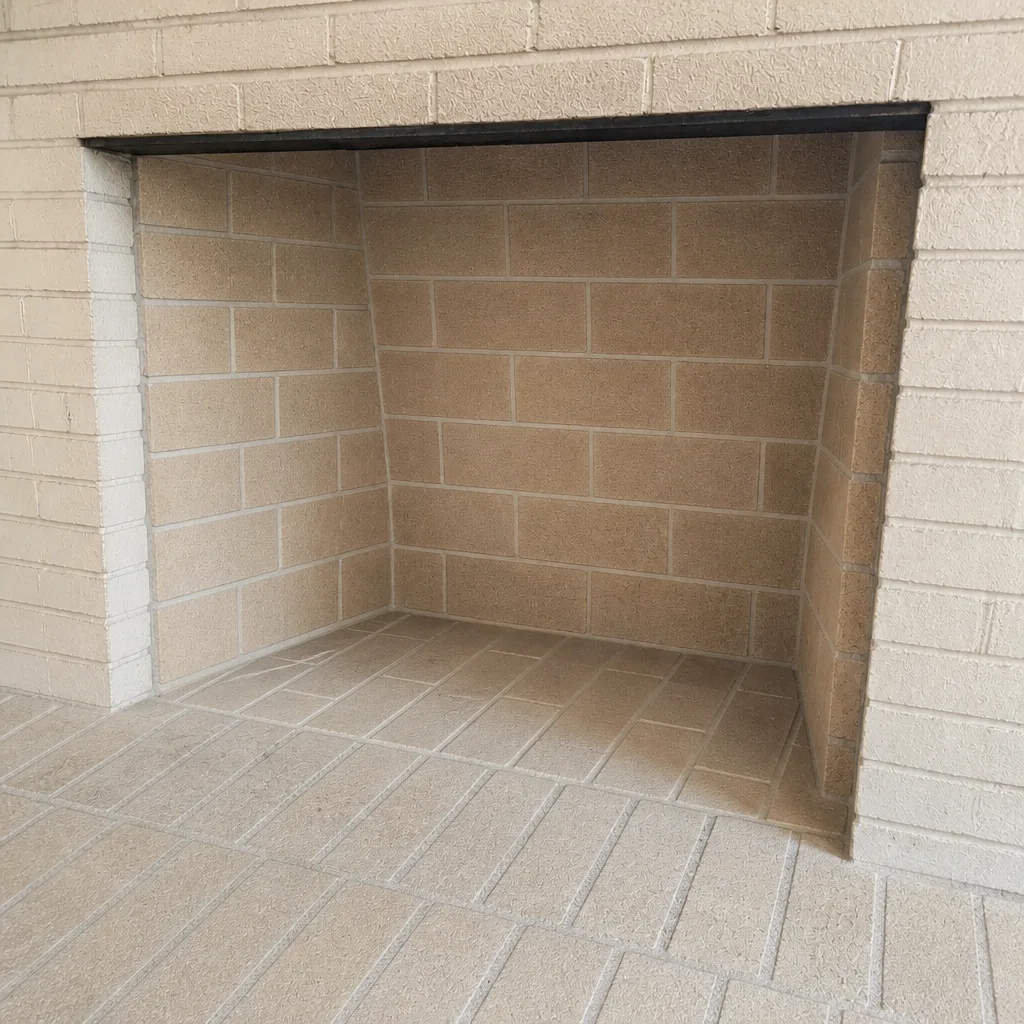
See the difference
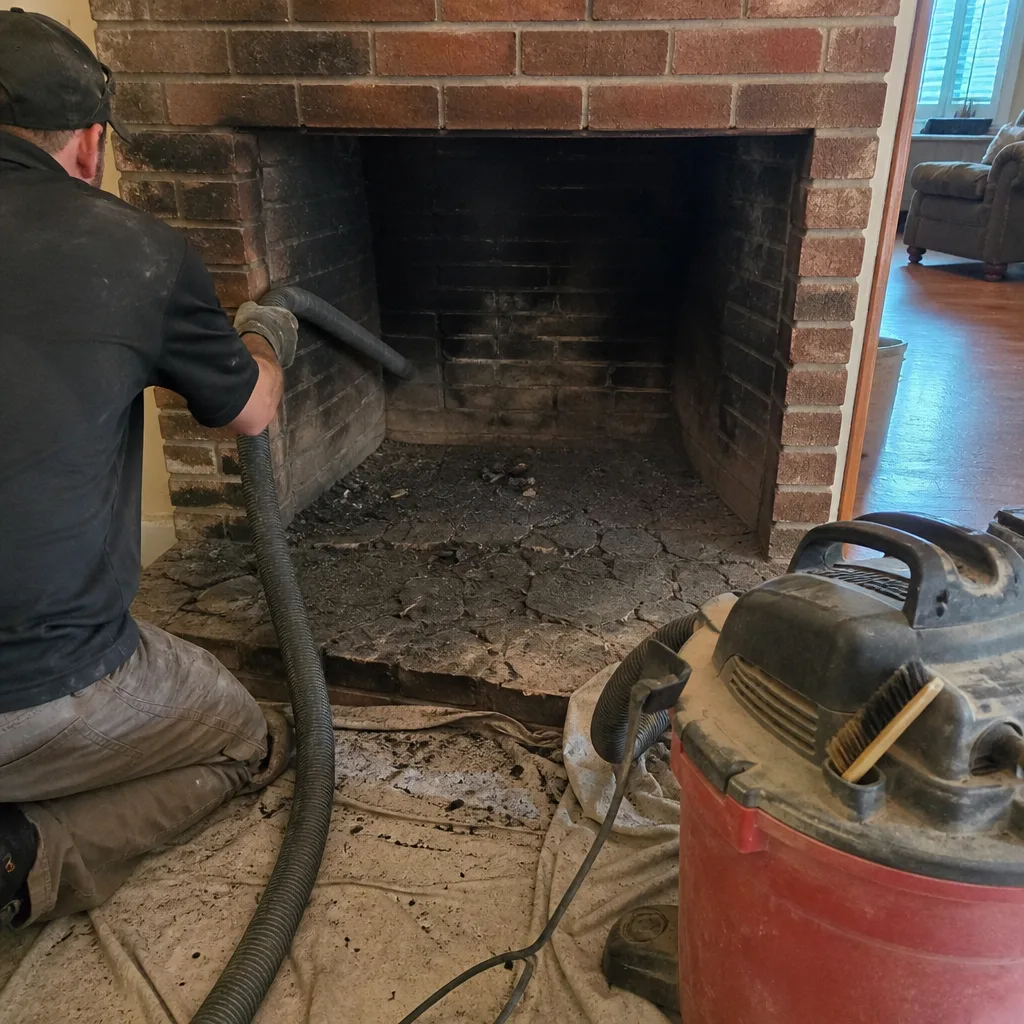 Before
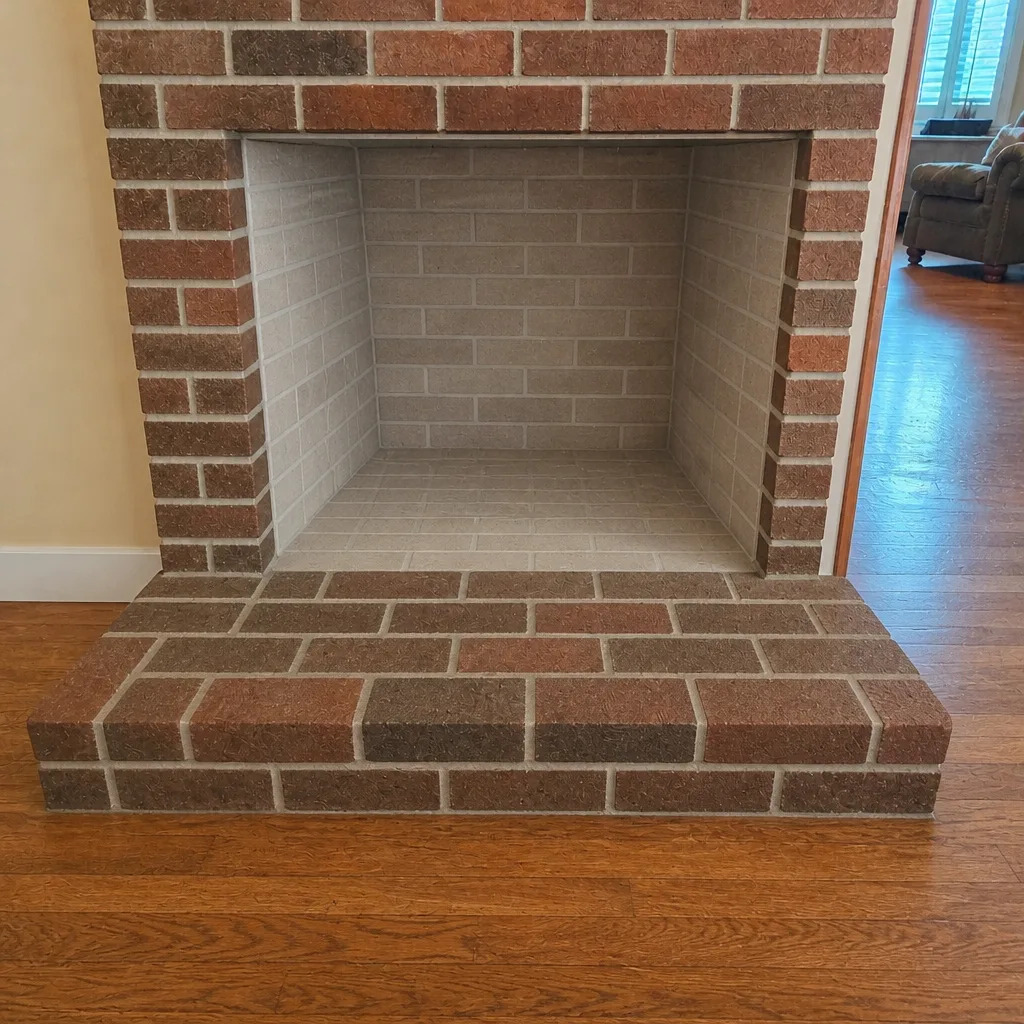 After
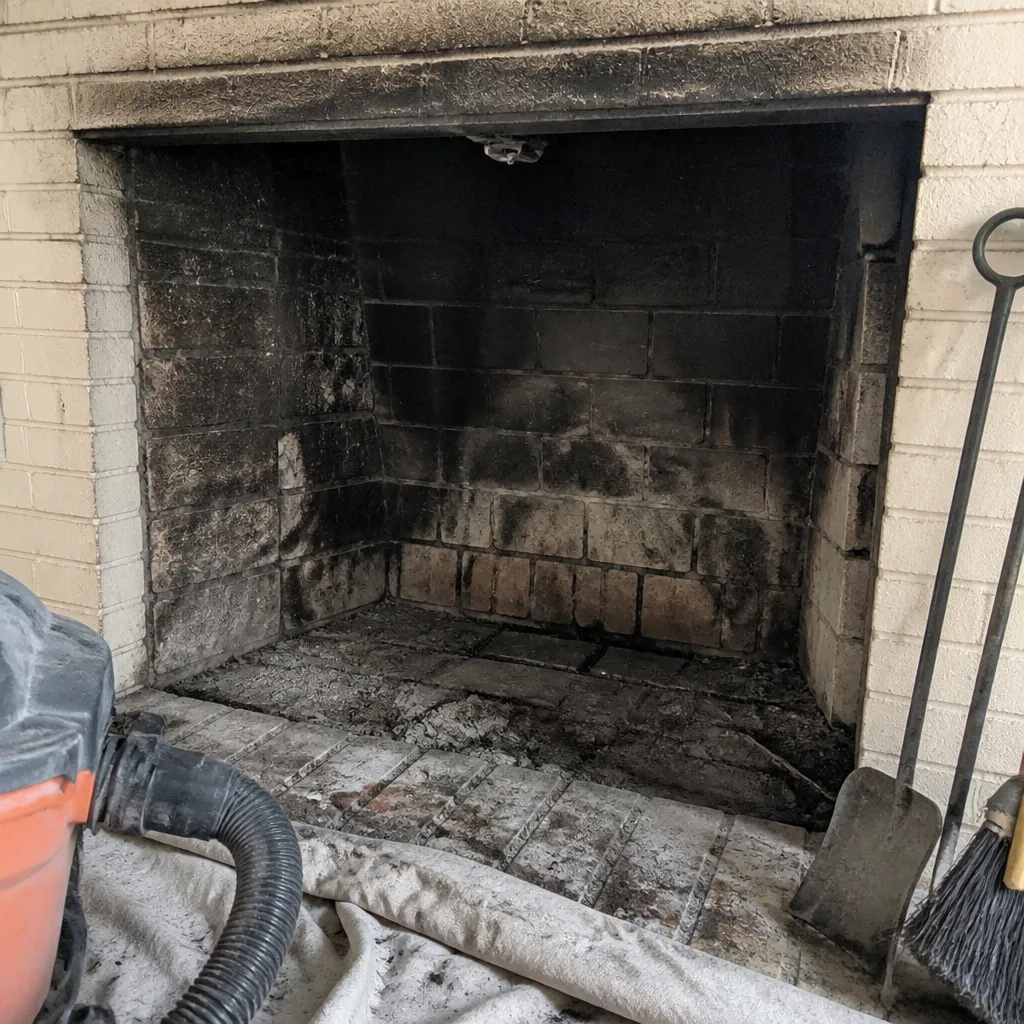 Before
 After
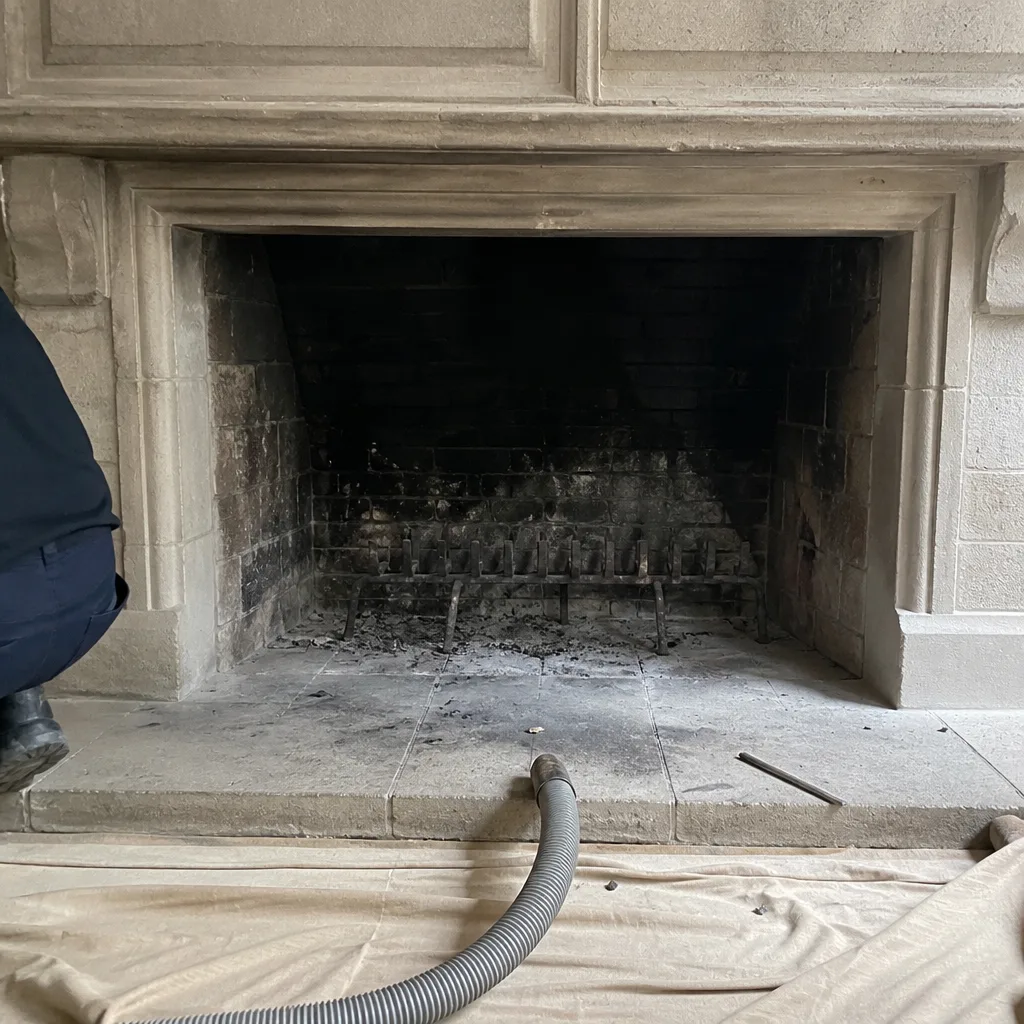 Before
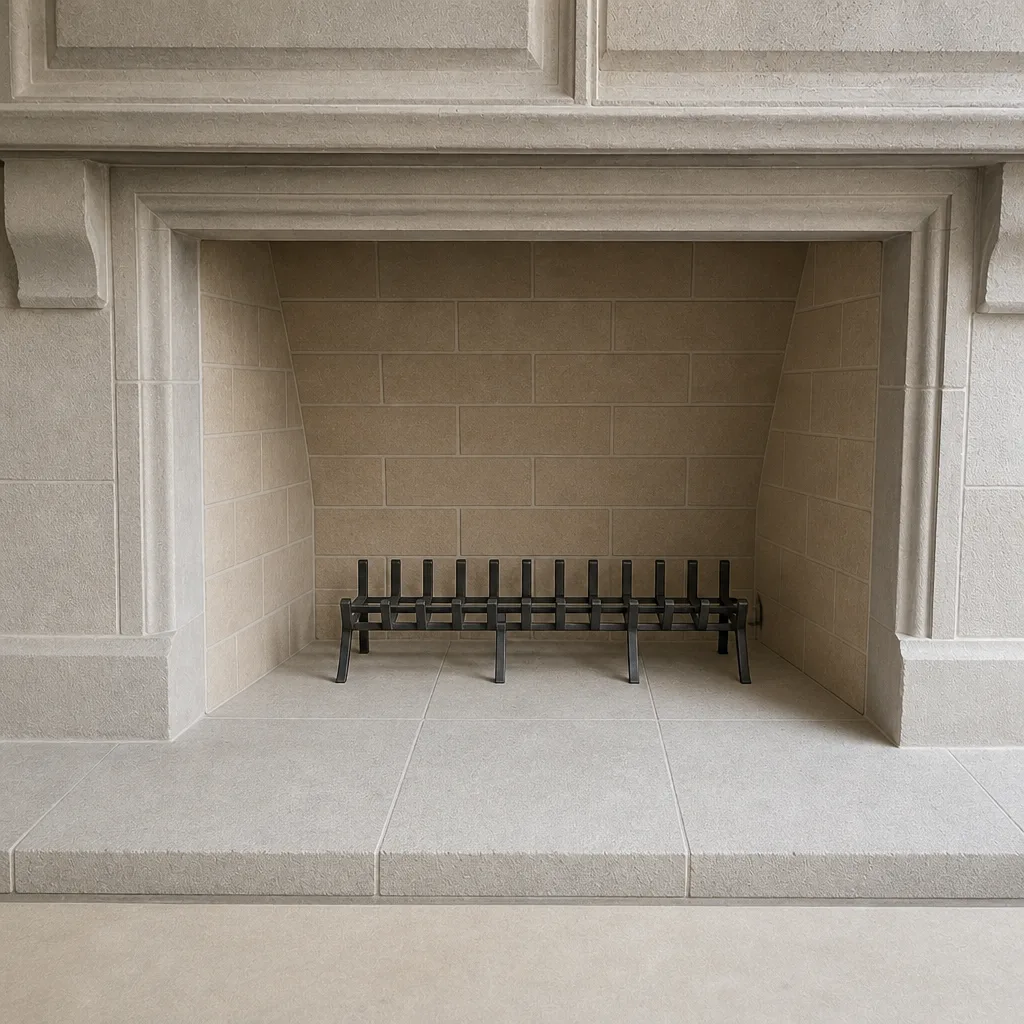 After
When to Call a Professional
Some chimney work is genuinely dangerous, and high-tension work on the flue and the top of the chimney sits right there. Anything involving the crown, the cap at the top of a tall chimney, or the liner itself is real height work and belongs with a trained professional, not a weekend project. Electrical and gas connections on gas log setups belong with someone who’s trained on them, and the flue interior is a confined space with real deposits inside it. Calling a professional is the right move for any annual cleaning, any inspection, any suspected draft problem, and any time you can smell smoke in the house when the fire isn’t lit. We’re a full-service chimney company: sweeping, chimney cap & crown work, liner repair, and structural fireplace and chimney repair all under one roof – no referrals out, no scope gaps. Chimney Sweep Bluffview offers free estimates in Bluffview – call (866) 901-7504. We answer 24/7. Fast dispatch from 7am to 7pm, Sunday through Friday.
Frequently Asked Questions
A standard chimney cleaning in Bluffview typically runs $150 to $300 for a wood-burning fireplace, with most homeowners paying around $175 to $225. Gas log fireplaces usually fall between $125 and $200, and inserts between $175 and $275. Prices rise with heavy creosote or a chimney that hasn’t been cleaned in several years. Call (866) 901-7504 for an exact quote – estimates are free.
Only if the inspection shows yours is cracked, spalling, or has failed its job of protecting the surrounding structure from the flue’s interior. A sounds liner doesn’t need replacing, and we’ll say so. If the flue’s problem is surface deterioration rather than structural failure, HeatShield resurfacing can restore it without a full reline. Ask to see what the inspection found before you agree to anything. Call (866) 901-7504 for a free estimate, and we’ll show you the evidence first.
Once a year for a wood-burning fireplace you use regularly, and for gas log fireplaces a check every year as well. If you burn less than a cord a season, you can sometimes stretch the interval, but the creosote still accumulates and hardens over time. Annual cleaning is the standard most chimney professionals recommend. Call (866) 901-7504 to set up a sweep and let us check the flue while we’re there.
Creosote builds up on the flue walls with each fire, and at higher concentrations it’s the fuel for a chimney fire – a fire that can reach temperatures high enough to damage the liner and the structure around it. Carbon monoxide risk also rises when the flue can’t vent properly because of obstruction or a damaged liner. These are the two reasons annual cleaning exists, and neither is something to wait and see on. Call (866) 901-7504 for a free estimate on a cleaning.
Three common reasons: the fireplace types differ (a wood-burning fireplace is more labor than a gas log), the condition differs (heavy creosote or an overdue flue adds time), or the scope differs (a quote that includes the smoke chamber and an inspection costs more than one that doesn’t). Line-item comparison tells you which. Call (866) 901-7504 for a quote on your specific chimney, with the scope spelled out.
Yes, if the flue is exposed to the sky. A properly fitted cap keeps water, birds, squirrels, and debris out of the flue and reduces the chance that a cleaning turns into an animal-nest removal. Caps from Gelco and Famco are what we fit – sturdy, correctly sized, and built to last. Call (866) 901-7504 for a free estimate on cap installation.
The Bottom Line
The number on a chimney cleaning quote means very little until you know what it covers. A fair price in Bluffview for a standard wood-burning cleaning sits around $150 to $300, with gas logs and inserts priced differently by labor and access. Add-on costs are sometimes legitimate – a glazed creosote deposit, a missing cap, a cracked crown – and sometimes an upsell dressed up as one. The way to tell them apart is to ask what the technician found, ask to see it, and expect an inspection before any recommendation gets a price tag. That’s how a quote becomes something you can trust.
Chimney work only – we’re not a generalist who sweeps chimneys on the side. Every visit from Chimney Sweep Bluffview starts with an inspection, and the sweep itself is handled by a team that works on the entire chimney system, from the cap down to the firebox. If you’re due for a cleaning, or you’ve collected a couple of quotes and want an honest read on them, we’re glad to help.
Call (866) 901-7504 for a free estimate. We answer 24/7. Fast dispatch from 7am to 7pm, Sunday through Friday. You can also read more about what a chimney sweep visit involves before you book.
Written by the team at Chimney Sweep Bluffview.